
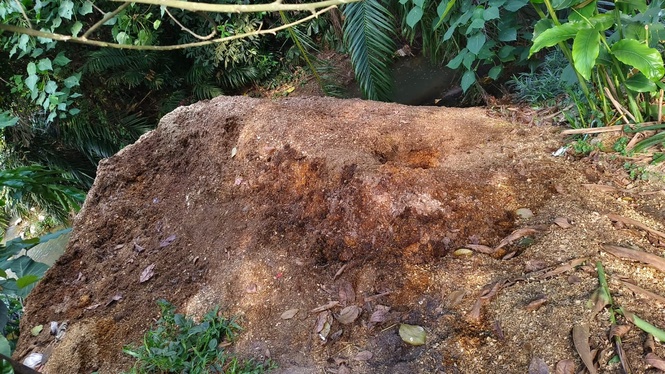
The Hidden Resource in Our Backyards
Just beyond the fences of Malaysia’s equestrian clubs and riding schools lies a surprisingly underappreciated resource: horse dung mixed with sawdust. This so-called "stable waste" is routinely discarded or dumped — yet, in many parts of the world, it’s considered black gold for gardeners and small-scale farmers.
In a time where urban farming, soil health, and regenerative agriculture are gaining attention, it's high time Malaysians recognize the untapped potential of this organic material that’s literally piling up behind the stables.
A Missed Opportunity for Malaysian Gardens
Despite its value, horse manure remains largely overlooked in Malaysia’s gardening and agriculture circles. While cow dung and chicken manure are more commonly used (and commercially available), horse dung — especially when mixed with bedding materials like sawdust or wood shavings — offers a balanced mix of carbon and nitrogen, ideal for composting, mulching, and microbial activation.
Nearby homes, community gardens, and even smallholder fruit tree growers often don't realize that what’s being thrown away by riding schools could be exactly what their soil needs.
What Makes Horse Dung So Beneficial?
Horse dung is:
- Rich in organic matter that improves soil structure and moisture retention.
- Less acidic and pungent than poultry manure, making it easier to handle.
- Naturally mixed with carbon-rich bedding from the stables, providing an ideal composting balance.
- A favorable environment for composting worms and beneficial microbes.
When properly aged or treated with microbial solutions like EM (Effective Microorganisms) or Waste Decomposer (WD), horse dung breaks down into a high-quality compost that boosts plant health, enhances root systems, and encourages soil biodiversity.
Applications Beyond Composting
This versatile material can be used in several sustainable practices:
🌿 1. Mulching
Spread under fruit trees or garden beds, horse dung acts as a moisture-retaining, weed-suppressing mulch. Over time, it decomposes and enriches the root zone naturally.
🪱 2. Vermiculture (Worm Farming)
African Night Crawlers and other compost worms thrive in horse dung, producing rich castings that serve as a bioactive soil conditioner.
🪰 3. Black Soldier Fly Larvae (BSFL) Feed
Pre-composted horse dung provides a carbon-rich bedding for BSFL systems, especially when combined with food or market waste.
🧪 4. Biochar Integration
Layering biochar beneath horse dung helps trap nutrients, prevent leaching, and provide microbial habitats — turning stable waste into a regenerative soil solution.
From Waste to Wealth: A Win for All
This isn’t just about gardening — it’s about closing nutrient loops and turning waste into opportunity.
- Equestrian centers could reduce disposal costs and promote sustainable partnerships with local communities.
- Urban gardeners and farmers gain access to a steady supply of organic matter to feed their soils.
- Municipal councils can support community composting initiatives, reducing landfill pressure and enhancing food security through healthy soils.
The Way Forward
With Malaysia’s growing interest in organic farming, permaculture, and sustainable land use, horse dung from riding clubs and equestrian schools should be seen not as a problem, but a resource waiting to be reimagined.
So the next time you pass by a riding stable, don’t just admire the horses. Ask where the dung goes. Because the waste they leave behind might just be what your garden needs most.
Want to Start Using Stable Waste?
If you live near an equestrian facility:
- Reach out and offer to collect their stable waste regularly.
- Compost or mulch it with microbial activators like EM.
- Combine with biochar or vermicast for added benefit.
- Start small — one tree, one bed, one pile at a time.
David Mak (davidmak07@gmail.com) is a content creator under the Newswav Creator programme, where you get to express yourself, be a citizen journalist, and at the same time monetize your content & reach millions of users on Newswav. Log in to creator.newswav.com and become a Newswav Creator now!
The User Content (as defined on Newswav Terms of Use) above including the views expressed and media (pictures, videos, citations etc) were submitted & posted by the author. Newswav is solely an aggregation platform that hosts the User Content. If you have any questions about the content, copyright or other issues of the work, please contact creator@newswav.com.