Table of Contents
Rescuers urge Malaysians to look beyond labels as concern over animal cruelty grows
Every day, Malaysians pass stray animals on the streets. Some sleep outside shops, wander through neighbourhoods or are abandoned in boxes and quiet corners.
It can be easy to see them as part of the landscape and assume they belong there. However, recent cases of animal cruelty have also forced uncomfortable questions about how society treats animals that have nowhere else to go.
The death of Rocky, a dog who died during a stray-dog capture operation in Port Klang on July 29, has brought renewed attention to animal welfare and how stray animals are treated. While the police and the Selangor Department of Veterinary Services investigate the circumstances surrounding his death, animal welfare groups have called for greater accountability and humane treatment.
The case has also prompted wider calls for stray-dog enforcement to balance public safety with animal welfare.
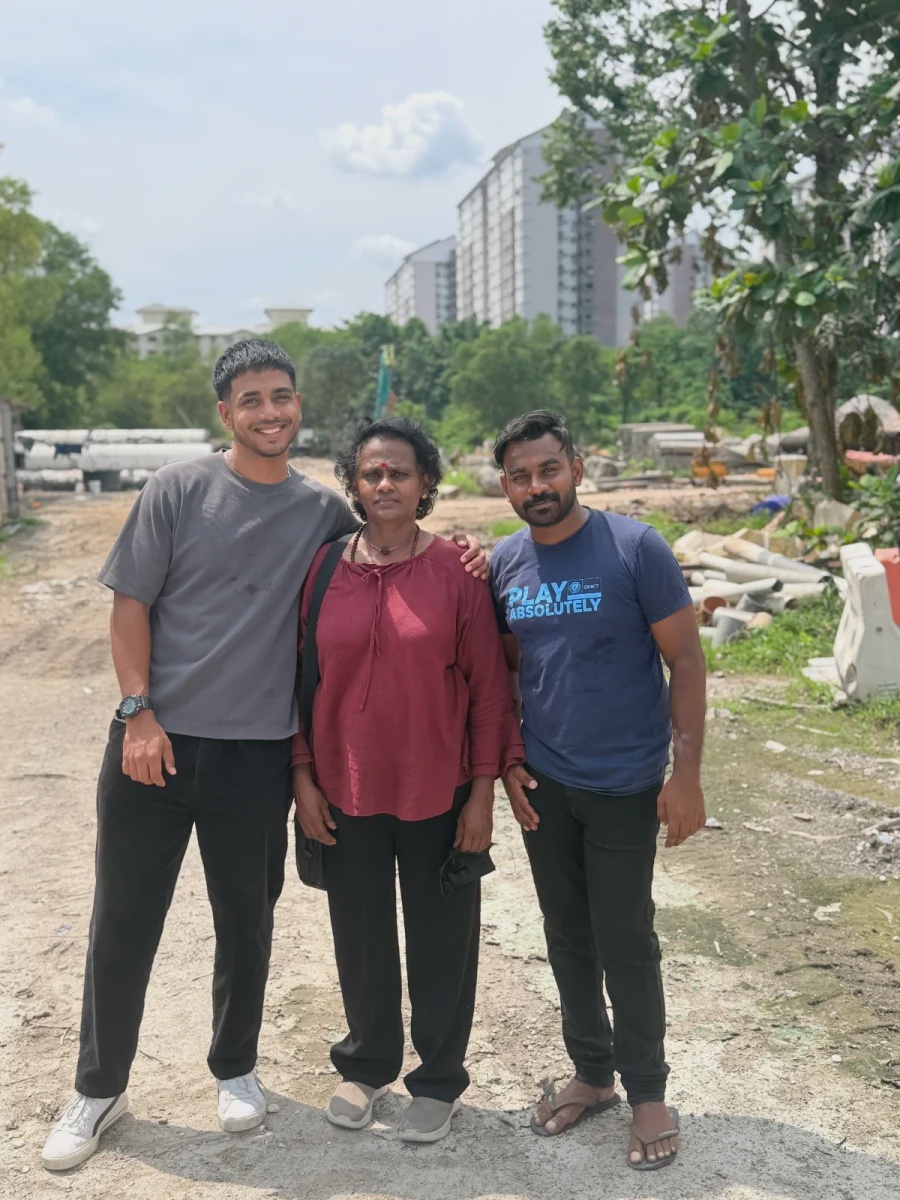
For animal rescuers Navwinderan Mahenderan and Aunty Janaki, the conversation needs to go beyond individual cases. It starts with changing how Malaysians see strays in the first place.
These animals are not simply nuisances on the roadside. Many are there because they were abandoned, born into unplanned litters or left without anyone to care for them.
And perhaps most importantly, they are not on the streets by choice.
Strays are not on the streets by choice
A stray dog may appear to have adapted to street life but surviving is very different from choosing it.
“They are not on the streets by choice. Many are born after unplanned litters or are abandoned by owners who can no longer care for them. Once left outside, they have to find their own food, water and shelter while navigating traffic, disease, other animals and the risk of cruelty,” Navwin told theSun.
These experiences can also shape a dog’s behaviour. A fearful or wary dog may not be inherently difficult. It may simply have learnt that the world is not always safe.
Former nurse turned rescuer Janaki, who cares for more than 60 rescued dogs, has seen this firsthand.
“Unfortunately for rescue and stray dogs, their natural environment can be quite unwelcoming. The lack of food and shelter, other animals and dogs and, worst of all, some people who mistreat them. All of this shapes their behaviour,” she said.
Instead of asking what is wrong with a stray, perhaps the first question should be what happened to it.
Adoption takes patience
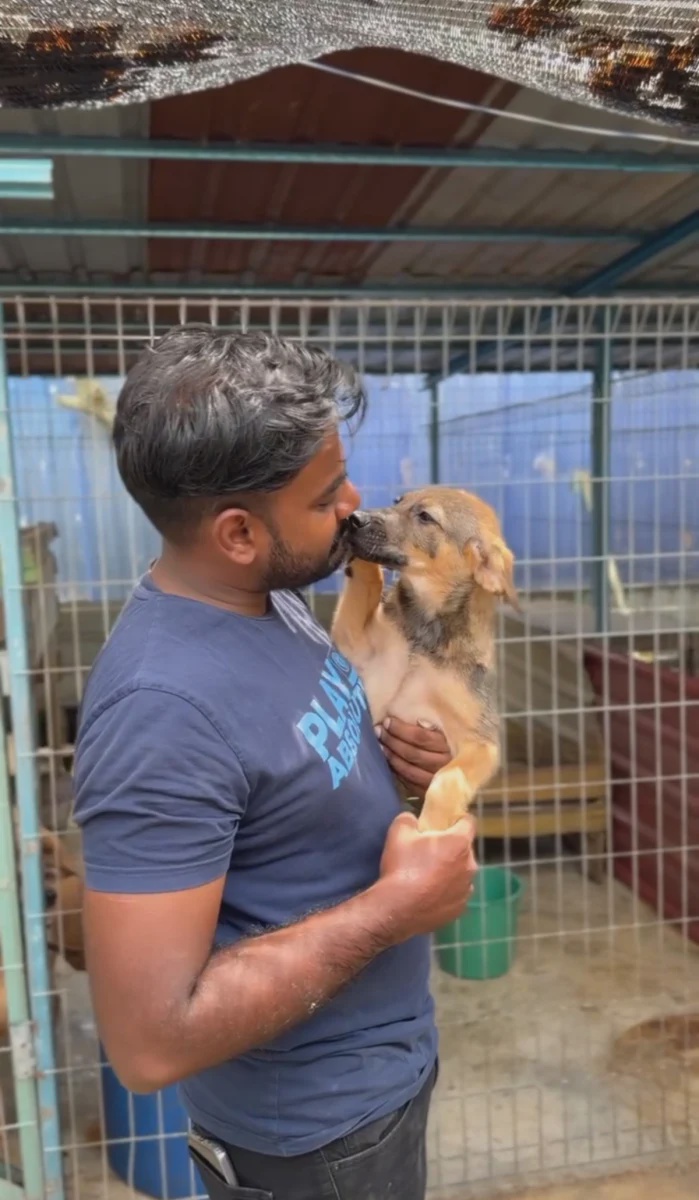
For someone adopting a rescue dog for the first time, bringing one home can come with uncertainty. The dog may hide, hesitate around people or struggle with a new routine.
A home, regular meals, household noises and even a comfortable bed may all be unfamiliar. That is why adopters need to give their new pets time to adjust.
“Don’t expect perfection immediately. Many rescued dogs simply need a safe home and a little patience before their true personality shines through,” Navwin said.
Janaki believes adoption should begin with understanding. Potential adopters should speak to rescuers about an animal’s history, personality and behaviour before bringing it home.
It may take time, but that process can also be where trust begins to grow.
A rescue dog is not a problem dog
Another barrier to adoption is the belief that rescued dogs are more difficult or unpredictable than other pets.
While some may need additional support, neither rescuer believes their past should define their future.
“A rescued dog is not automatically a ‘problem dog’.”
Navwin
“Some may be shy or fearful because of what they have experienced. That does not necessarily mean they are aggressive or incapable of becoming loving family pets.”
With a stable routine, gentle guidance and patience, many rescue dogs can adapt remarkably well.
Aunty Janaki has also seen severely traumatised dogs improve with the right approach.
“It is true that these dogs can sometimes be a bit more difficult, but it is not impossible,” she said.
For first-time owners, rescuers and experienced trainers can also offer guidance. The important thing is to understand that behaviour often has a reason behind it.
Sometimes, people need a second chance too
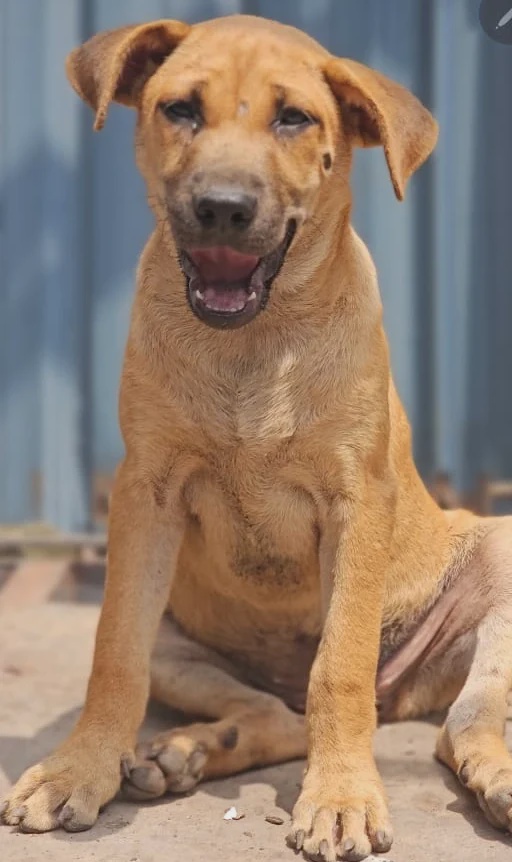
Adoption is often described as giving an animal a second chance, but the relationship can transform the adopter too. Navwin has seen adopters find companionship, joy and a renewed sense of purpose through their rescued pets.
“A rescue dog often teaches patience, empathy and gratitude in a very real way.”
Navwin
One of his most memorable rescue stories is Yamuna, a seven-year-old Shih Tzu mix found abandoned near an industrial area in Kapar, Klang, on November 12, 2025. Severely matted and malnourished, she was in poor condition but remained loving and friendly.
With treatment, vaccinations, spaying and proper nutrition, Yamuna gradually regained her health. She stayed with Navwin for almost seven months before finding her forever home in June this year.
Since then, she has settled happily with her new family.
For Janaki, on the other hand, the bond between people and rescue dogs is personal. She said the animals have supported her through difficult periods in her own life.
“In my difficult times, these dogs have been there to stay by my side and in their own way, comfort me. I want to do the same for them,” she said.
She also believes dogs can teach responsibility, attentiveness and compassion.
Changing how Malaysia sees strays
Changing Malaysia’s stray animal population requires more than adoption. Responsible pet ownership, spaying and neutering, public education and stronger animal welfare systems all have a role to play.
That said, changing perceptions can begin with something simpler: choosing not to look away.
A stray dog is not necessarily an unwanted dog. A fearful dog is not necessarily an aggressive one. And a rescue dog is not necessarily a problem waiting to happen. Sometimes, it is simply an animal that has never had the chance to feel safe.
Perhaps that is where the conversation should begin. Not with whether a stray is worth adopting, but whether we are willing to give it the chance to show us who it really is.
READ MORE:
Pawfund for Janaki seeks public support to care for 62 rescued street dogs
7 brilliant tea hacks to transform your humble brew into a household superhero
From rescue to forever: 4Paws Penang’s next big mission to build permanent sanctuary