.jpeg)

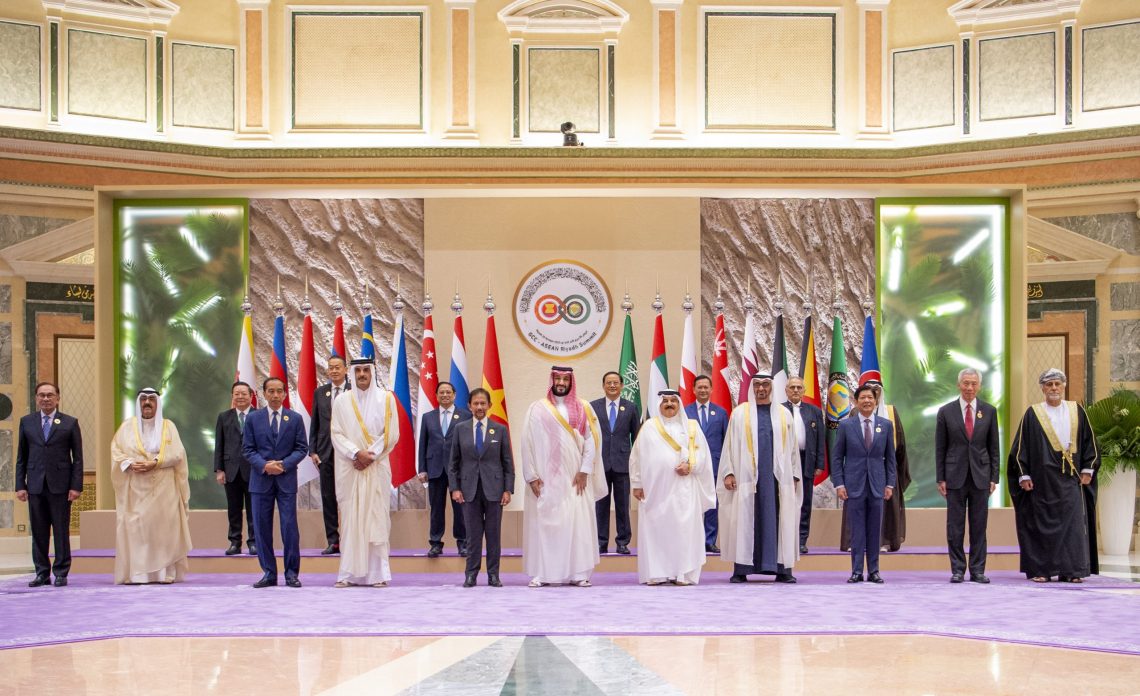
In 2025, Malaysia will assume the the Association of Southeast Asian Nations (ASEAN) chairmanship, positioning itself to lead strategic discussions at the ASEAN-GCC (Gulf Cooperation Council) Summit. This milestone, decided during the first ASEAN-GCC Summit held in Riyadh in October 2023, comes at a critical moment for ASEAN, allowing Malaysia to help shape relations with the GCC and China amid a complex global landscape.
Malaysian Prime Minister Anwar Ibrahim has advocated for regional cooperation, highlighting the potential benefits of economic, security, and diplomatic partnerships between ASEAN, GCC, and China.
Hosting the next ASEAN-GCC Summit, Malaysia is poised to enhance inter-regional ties, especially through the ASEAN-GCC Framework of Cooperation (2024-2028), which outlines shared initiatives across trade, investment, education, culture, and tourism.
Economic Synergies and Investment Opportunities
ASEAN and GCC represent significant global economic blocs. ASEAN, with a GDP of about $3.6 trillion and a population exceeding 680 million, is on track to become the fourth-largest global economy by 2030. Meanwhile, the GCC, comprising Saudi Arabia, the UAE, Kuwait, Qatar, Oman, and Bahrain, holds a GDP of approximately $2.3 trillion, leveraging its strategic location as a center for global energy and trade.
The growing economic ties between ASEAN and GCC have facilitated trade valued at over $100 billion in recent years, with ASEAN’s demand for energy complementing the GCC’s interest in Southeast Asian goods and agricultural exports.
Malaysia’s chairmanship offers a chance to expand trade opportunities by discussing tariff reductions, streamlined customs, and investment in sectors like green technology, aligning with both ASEAN’s sustainable development goals and the GCC’s Vision 2030, which seeks to diversify away from oil. The mutual focus on green and sustainable projects provides ample ground for collaborative efforts in renewable energy, digital infrastructure, and environmental technology, positioning ASEAN and GCC as leaders in sustainable economic growth.
China’s involvement adds a further dimension, particularly through the Belt and Road Initiative (BRI) in Southeast Asia, which has supported major infrastructure projects across the region. China has also invested in GCC renewable energy, opening up prospects for a trilateral ASEAN-GCC-China framework focused on sustainable development. Such partnerships could accelerate economic growth while fostering regional stability.
Tourism: Cultural and Economic Bridge Between ASEAN and GCC
Tourism offers another opportunity for ASEAN-GCC cooperation, with ASEAN nations becoming attractive destinations for GCC tourists seeking diverse cultural experiences and halal-friendly accommodations. Malaysia, as ASEAN chair, can enhance ASEAN’s position as a premier halal destination by encouraging investment in halal-certified hotels and infrastructure, meeting the expectations of Middle Eastern visitors. Given the rise in Middle Eastern tourists to ASEAN over the past decade and forecasts for continued growth, tourism represents a lucrative sector for both regions.
Easing visa requirements and expanding direct flights could also benefit tourism. Presently, countries like the UAE and Qatar maintain strong aviation links with Southeast Asia, yet expanding routes and simplifying visas could facilitate even greater exchange. A cohesive tourism strategy could strengthen economic ties, create cultural bridges, and boost tourism revenue for both ASEAN and GCC.
Geopolitical and Security Cooperation: Common Ground on Palestine and Regional Stability
ASEAN and GCC countries have traditionally backed Palestinian rights, advocating for a two-state solution and an end to violence. Malaysia, known for its strong stance on Palestine, could leverage its 2025 ASEAN chairmanship to promote a unified ASEAN-GCC position in international forums, advocating for Palestinian self-determination. Coordinated diplomatic efforts would amplify both regions' influence, creating a more robust platform for humanitarian and political support for Palestine.
Security concerns such as extremism, piracy, and maritime security also unite ASEAN and GCC. Malaysia can facilitate collaboration in these areas by fostering ASEAN-GCC initiatives on counterterrorism, intelligence sharing, and joint maritime security. Including China in these discussions could add a broader perspective, as China has demonstrated interest in regional security while maintaining a diplomatic stance on issues like Palestine. A coordinated ASEAN-GCC-China approach could enhance security across the Indo-Pacific and the Middle East, contributing to regional stability.
Navigating ASEAN-GCC-China Dynamics Amid U.S.-China Rivalry
China’s role in ASEAN-GCC relations is complex, as both blocs engage with China as a major economic partner while remaining cautious about its geopolitical ambitions. China’s status as the largest trading partner for both ASEAN and GCC underscores its importance in regional economics, particularly in energy markets and manufacturing. However, geopolitical tensions, particularly in the South China Sea, have led some ASEAN members to approach their relations with China carefully. Malaysia’s leadership could balance these dynamics by promoting ASEAN’s "centrality" policy, which emphasizes non-alignment and regional autonomy.
As the U.S.-China rivalry escalates, ASEAN countries aim to avoid taking sides, instead seeking to benefit from cooperation with both powers. Malaysia’s emphasis on ASEAN’s centrality would enable ASEAN to remain neutral and pursue a collaborative approach that preserves its diplomatic and economic independence. Such a stance not only maintains ASEAN’s relevance in the Asia-Pacific but also allows it to serve as a stabilizing force, facilitating engagement with both China and the U.S.
Strategic Benefits of ASEAN-GCC-China Cooperation
A trilateral framework involving ASEAN, GCC, and China could unlock new economic opportunities, especially in infrastructure and sustainable development. With China’s BRI projects expanding across Southeast Asia and recent investments in GCC renewable energy, Malaysia can advocate for trilateral projects that strengthen ASEAN’s infrastructure and support the GCC’s Vision 2030 goals. Such cooperation would benefit all parties, fostering sustainable growth, technological advancement, and greater connectivity.
The ASEAN-GCC Framework of Cooperation (2024-2028) aligns with this vision, outlining priority areas such as trade, technology, tourism, and climate initiatives. Malaysia can further strengthen these initiatives by encouraging multilateral support and attracting investment from strategic partners like China. This collaboration would bolster ASEAN-GCC ties while advancing shared goals of environmental sustainability and digital innovation.
Malaysia’s Leadership Role in ASEAN-GCC Relations
With Malaysia at the helm, ASEAN’s approach in 2025 will likely emphasize inclusive growth and regional stability. Malaysia’s diplomatic stance supports the integration of GCC’s economic objectives with ASEAN’s sustainable development framework, creating a balanced approach that also incorporates China’s influence where beneficial. This strategy enhances ASEAN-GCC cooperation in trade, security, and environmental sustainability, positioning both blocs as influential players in shaping a stable global order.
Through a policy of non-alignment and centrality, Malaysia can reinforce ASEAN’s autonomy and mediate diverse interests without compromising its independence. This balanced diplomacy will enable ASEAN and GCC to play more prominent roles in addressing global and regional challenges, from sustainable development to peacebuilding, ensuring a stronger presence on the world stage. As Malaysia leads ASEAN into this promising period, the bloc stands well-positioned to navigate geopolitical complexities, fostering a cooperative, resilient, and prosperous future for both ASEAN and GCC.
Abdullah Bugis is a content creator under the Newswav Creator programme, where you get to express yourself, be a citizen journalist, and at the same time monetize your content & reach millions of users on Newswav. Log in to creator.newswav.com and become a Newswav Creator now!
The User Content (as defined on Newswav Terms of Use) above including the views expressed and media (pictures, videos, citations etc) were submitted & posted by the author. Newswav is solely an aggregation platform that hosts the User Content. If you have any questions about the content, copyright or other issues of the work, please contact Newswav.
