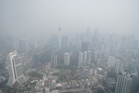
Malaysia to table regional haze fund proposal at Asean meeting
KUALA LUMPUR: Malaysia will take its push for a dedicated regional haze fund and greater use of science in tackling transboundary haze to an Asean meeting in Vietnam this December.
Natural Resources and Environmental Sustainability Minister Datuk Seri Arthur Joseph Kurup told the Dewan Rakyat that two key policy proposals — a Sustainable Haze Fund and a Science Diplomacy framework — would be tabled during the 21st Conference of the Parties to the Asean Agreement on Transboundary Haze Pollution (AATHP).
READ MORE: Haze from abroad, but who pays? Malaysia faces legal roadblocks
READ MORE: Beyond the API: Protecting children during haze
He said both initiatives were aimed at establishing long-term regional solutions rather than relying on reactive measures to address cross-border haze.
“The Sustainable Haze Fund proposal aims to create a dedicated and continuous source of funding across Asean to support fire prevention, early monitoring and firefighting infrastructure in source areas,” Arthur said.
Meanwhile, the Science Diplomacy framework would encourage Asean member states to standardise data, satellite monitoring and scientific research to support regional decision-making.
“The Asean Secretariat is currently reviewing both proposals. Malaysia will build on this momentum as we prepare to chair and host the 28th Sub-Regional Ministerial Steering Committee (MSC) meeting next year.”
Addressing questions on regional accountability, Arthur stressed that Malaysia’s approach focused on collective responsibility rather than assigning blame.
“The issue of transboundary haze must be tackled through collective action and closer regional cooperation, not by pointing fingers or placing blame.
“What matters most is that every member state fulfils its duties by strengthening domestic enforcement and sharing data,” he said.
Malaysia extended a formal assistance package to Indonesia on Sept 9, which was accepted on Sept 18 following high-level bilateral talks.
The assistance includes aerial water-bombing, amphibious aircraft support and cloud-seeding operations.