KUALA LUMPUR: Malaysia will not immediately halt the use of fossil fuels as it pursues its energy transition, with the government opting for a gradual and orderly approach that takes into account the country’s energy security, economic growth and public welfare.
Natural Resources and Environmental Sustainability Minister Datuk Seri Arthur Joseph Kurup said Malaysia remained committed to progressively moving away from fossil fuels, but the transition must be implemented fairly and responsibly, taking into account each country’s circumstances, capabilities and level of development.
“Malaysia is not taking an approach that would immediately stop the use of all fossil fuels. Instead, this transition must be carried out fairly, progressively, in an orderly and responsible manner, taking into account the circumstances, capabilities and development levels of each country,” he said in the Dewan Rakyat today.
READ MORE: Malaysia to maintain moratorium on raw rare earth exports – Minister
He was responding to a supplementary question from Muhammad Islahuddin Abas (Mersing) on Malaysia’s position regarding international calls to phase out fossil fuels, particularly coal, oil and gas, at the 31st Conference of the Parties (COP31) to the United Nations Framework Convention on Climate Change (UNFCCC) in Antalya, Türkiye.
Arthur said Malaysia remained committed to achieving net-zero greenhouse gas emissions by 2050, with its Third Nationally Determined Contribution (NDC 3.0) marking a shift from an emissions-intensity target to an absolute emissions-reduction target.
He said the government was guided by the energy trilemma of ensuring energy supply security, environmental sustainability and affordable tariffs for consumers and industries.
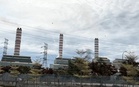
“Under the National Energy Transition Roadmap (NETR), Malaysia will not develop new coal-fired power plants, while existing plants will be phased out gradually in line with the expiry of their respective power purchase agreements (PPAs).
“The last coal-fired power plant is scheduled to cease operations in 2044,” he said.
He added that natural gas would continue to serve as a transition fuel to maintain the stability and security of the country’s electricity supply.
Arthur said the government would also expand renewable energy development, battery energy storage systems (BESS) and grid infrastructure upgrades to achieve its target of 70% renewable energy installed capacity by 2050.