What Makes Us Anak Malaysia?
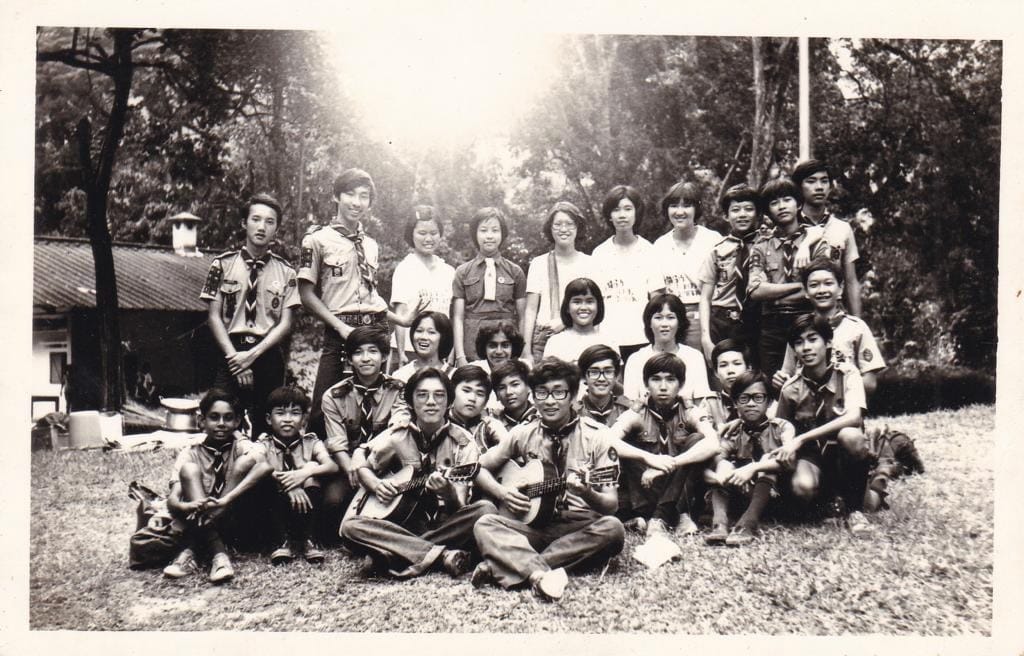
There is an old photograph from my school and scouting days that, to me, says something about Malaysia better than many words can. It shows a group of young Malaysians together — different races, different family backgrounds, some in uniform, some not — but none of that seemed particularly important to us then.
We were simply teammates — students from different schools and forms.
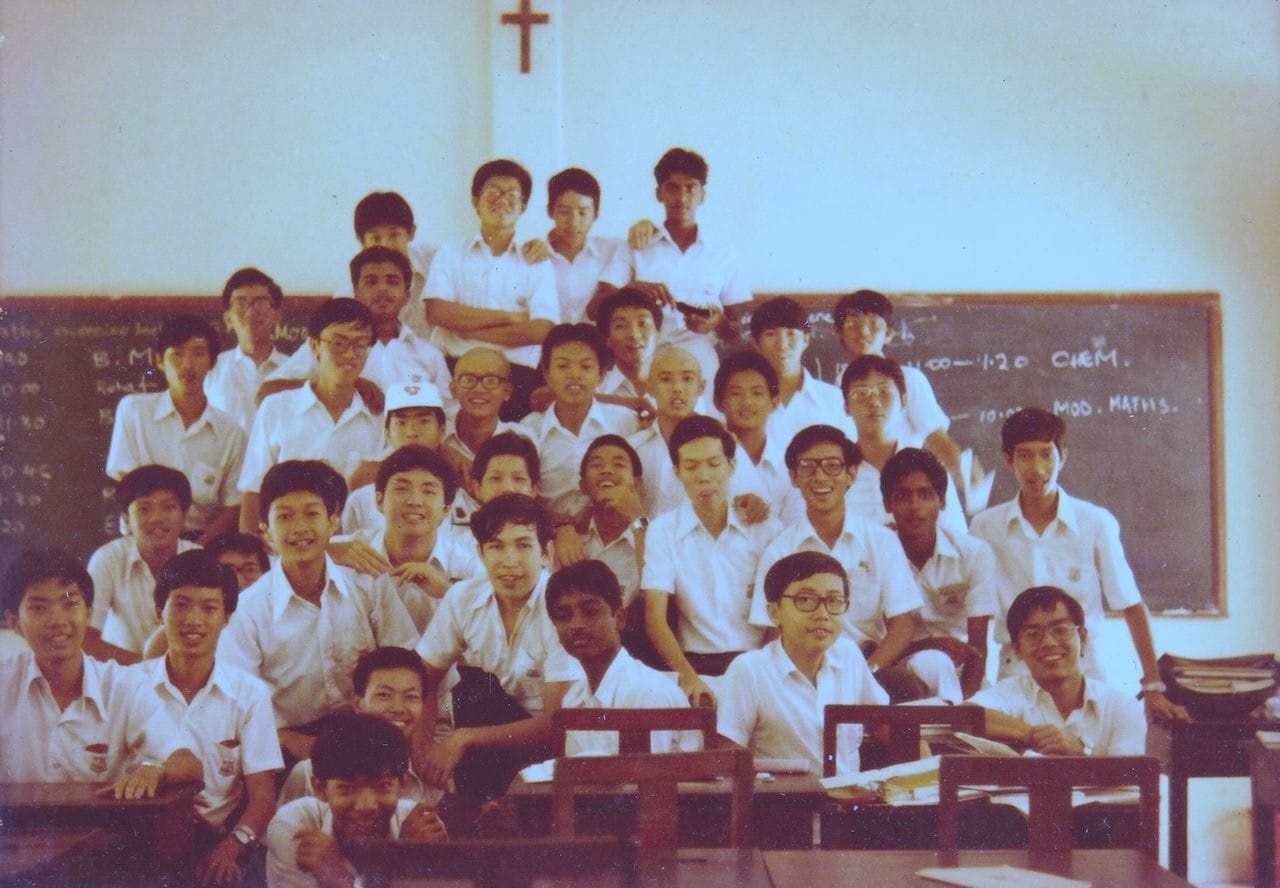
I studied at St. Xavier’s Institution in Penang, and one of my fondest memories of SXI was precisely this: we did not have to stop and think whether someone was Malay, Chinese, Indian or Eurasian before doing something together.
It was especially obvious during school activities and uniformed-unit programmes. I still remember one occasion when our entire Form 5 decided to organise a full-day relay marathon to raise funds. Everyone chipped in. It did not really matter who started the idea, which group was organising it or who would eventually receive the benefit. Once we decided it was worth doing, it became everyone’s project.
Then three of our classmates went one step further. They volunteered to shave their heads. That created even more excitement — and, more importantly, helped push our fundraising collection even higher!
Looking back now, I realise that perhaps this was one of my earliest lessons in being Anak Malaysia. Nobody gave us a lecture about unity that day. We simply practised it.
A country must prepare its children
My generation grew up relatively close to Merdeka. But gaining independence was only the beginning. The much more difficult question was: What kind of country would we build for the generations that came after independence?
I sometimes think of a country as being like a parent.
Good parents love their children, but they cannot spend their lives simply giving them gifts. They must eventually equip their children with the knowledge, confidence and opportunities to stand on their own feet. Malaysia had to do the same.
One of the most important foundations was education.
At SXI, although we were studying in a Christian-run mission school, students of other faiths were free to practise their own beliefs. Different religious societies could exist within the school, while students from different communities learned, played and participated in activities together. With education as our common focus, we were also quietly building a Malaysian identity together.
For many families of my generation, education was also the great equaliser.
Our parents might not have been wealthy or highly educated themselves, but many worked hard because they believed education could give their children a life that they themselves had never had. Schools and society helped too. I remember assistance being available to needy students through meals, books, uniforms and other support.
The message to us was clear:
Study. Learn. Make something of the opportunity you have been given.
My own opportunity eventually came through a JPA scholarship, which enabled me to pursue an engineering degree at Universiti Teknologi Malaysia. That scholarship would become one of the important stepping stones in my life.
Education needs somewhere to go
But educating people is only half the job. A country can produce graduates, engineers and technicians, but if there are no meaningful jobs for them at home, many will eventually have to look elsewhere.
Penang faced that challenge.
The Penang of my childhood was very different from the highly industrialised Penang we know today. Agriculture, fishing, tourism, trade and services formed much of Penang’s economy back then.
Then came industrialisation.
The establishment of the Bayan Lepas Free Trade Zone in the early 1970s helped transform Penang by attracting multinational manufacturers and creating a new generation of industrial employment. And eventually, I became one of those young Malaysians who benefited from it.
Armed with my engineering degree, I remember the joy of finally coming home to Penang and beginning my career with Delta Switchgear, a British switchgear manufacturer operating in Prai.
For a young graduate, getting that first professional job meant much more than receiving a salary. I also knew how I had arrived there.
Behind me were parents who understood the importance of education and supported me. There was a government scholarship that had helped me obtain my engineering degree. And there was an industrial economy developing in Penang that gave someone like me the opportunity to return home and build a career.
Delta was only the beginning, but most importantly, that first job brought me back to Penang. Over the years, I had the privilege of working with many other wonderful companies and people. Each experience added something different — engineering knowledge, management experience, exposure to multinational working cultures and, eventually, opportunities to help others.
Those experiences made my working life both unique and fulfilling. And none of them happened entirely on my own.
That is why being Anak Malaysia cuts both ways
It is easy to describe being Anak Malaysia in terms of what Malaysia gives us.
Education.
Scholarships.
Infrastructure.
Jobs.
Opportunity.
A place to call home.
But I believe that is only half of the relationship. Eventually the child grows up.
Then the question changes from:
“What can Malaysia give me?”
to:
“What can I give back to Malaysia?”
I am now retired from full-time employment, but I remain active through quality consulting work. One of the things that gives me particular satisfaction today is sharing the knowledge accumulated over decades of working life — training and mentoring younger Malaysians, helping them solve problems, and hopefully giving them some of the confidence and experience that others once gave me.
Perhaps this is my small way of completing the circle.
So what makes us Anak Malaysia?
For me, being Anak Malaysia is not determined simply by the place written on our birth certificate. It is a relationship.
It begins when people of different backgrounds can grow up together without constantly asking what race or religion the person beside them belongs to.
It grows when a country gives its children education and opportunities to develop their abilities.
It becomes meaningful when those children use those opportunities to build lives, families, businesses and careers.
And it becomes complete when, after benefiting from what earlier generations built, we turn around and help the generation coming behind us.
Malaysia’s journey has never been perfect. No country’s is.
Different generations of leaders, educators, parents, workers, businesses and ordinary Malaysians have made good decisions, difficult decisions and undoubtedly some wrong ones too.
But when I look back from that schoolboy in the old photograph, to the engineering graduate returning happily to Penang, to the working life that followed, and finally to what I am doing today, I can see the thread connecting them.
Someone before us created an opportunity.
We took it. And now it is our turn to create an opportunity for somebody else.
Perhaps that is what being Anak Malaysia really means. Not merely being proud of Malaysia.
But living in such a way that, one day, Malaysia can be proud of us too.

Share your Anak Malaysia stories and stand a chance to win prizes worth up to RM2,880! Find out how to join here. T&Cs apply.
Albert Lee (keanlay@yahoo.com) is a content creator under the Newswav Creator programme, where you get to express yourself, be a citizen journalist, and at the same time monetize your content & reach millions of users on Newswav. Log in to creator.newswav.com and become a Newswav Creator now!
The User Content (as defined on Newswav Terms of Use) above including the views expressed and media (pictures, videos, citations etc) were submitted & posted by the author. Newswav is solely an aggregation platform that hosts the User Content. If you have any questions about the content, copyright or other issues of the work, please contact creator@newswav.com.