

‘Buruh nelayan dan juga petani, gaya hidup kini dah berubah~" -Keranamu Malaysia, song by Pak Ngah, also known as Suhaimi Mohd Zain.
As Merdeka Day and Malaysia Day are approaching (31st August and 16 September respectively), this is one of the songs that can often be heard across the country. On this occasion, Malaysians across the country come together to celebrate our independence. This year marks 69 years of independence for the Federation of Malaya and 63 years since the formation of Malaysia.
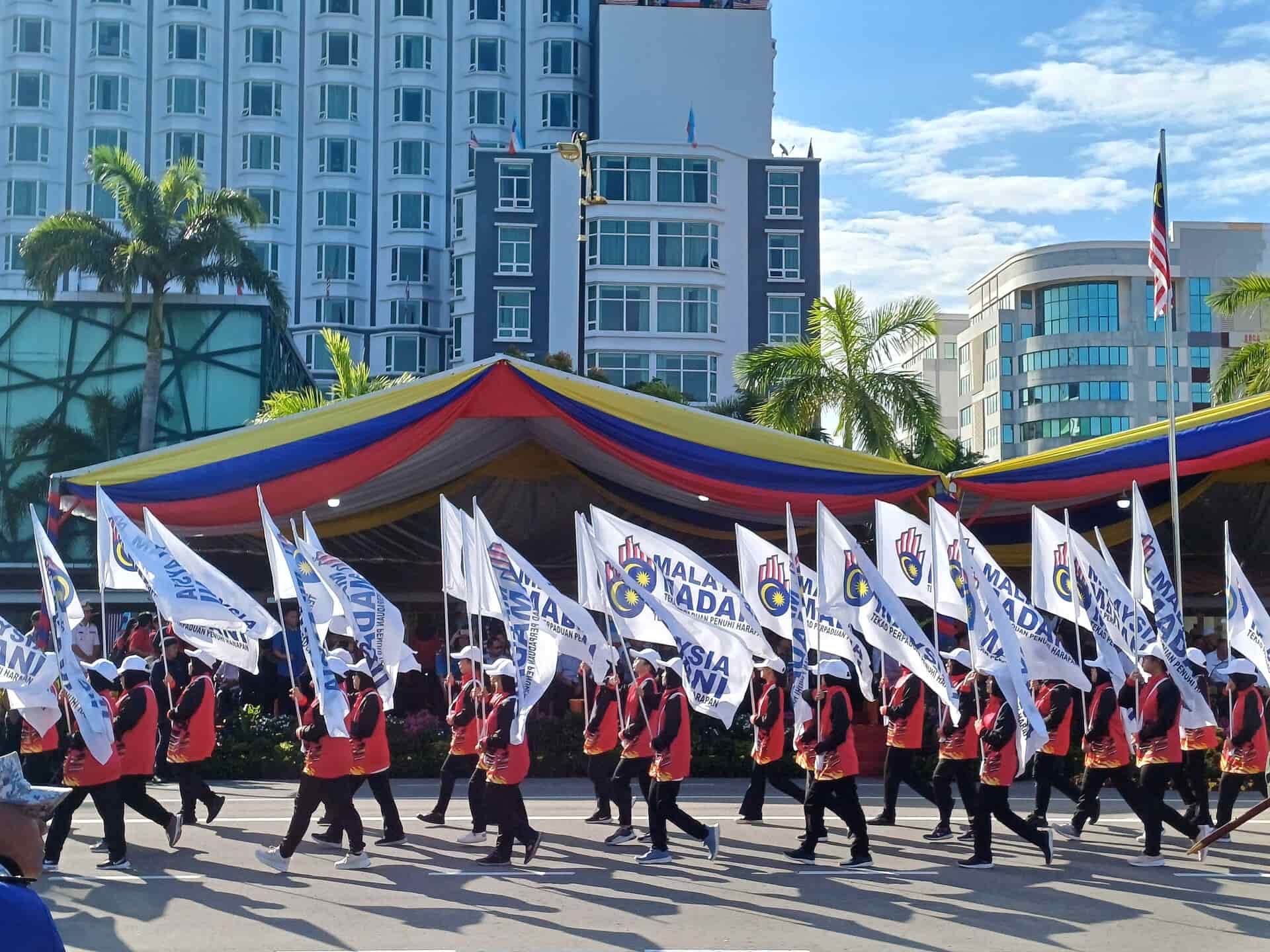
Malaysia is well known for its wide array of cultures, with citizens from various ethnic groups including Malays, Chinese, Indians, Iban, Kadazan-Dusun and many more. And what makes this even more remarkable is that most of them are not similar at all in terms of tradition and culture. But yet somehow Independence Day, with all its fireworks, Jalur Gemilang flags, and patriotic songs, is usually celebrated gloriously.
So, what actually is the main source of unity for Malaysians? Well, actually, it isn't just one thing or identity that unites Malaysians. It is the mixture of food, language, festivals, tolerance and many more things that make us feel Malaysian.
Food is perhaps one of the best examples of how our differences can bring us together.
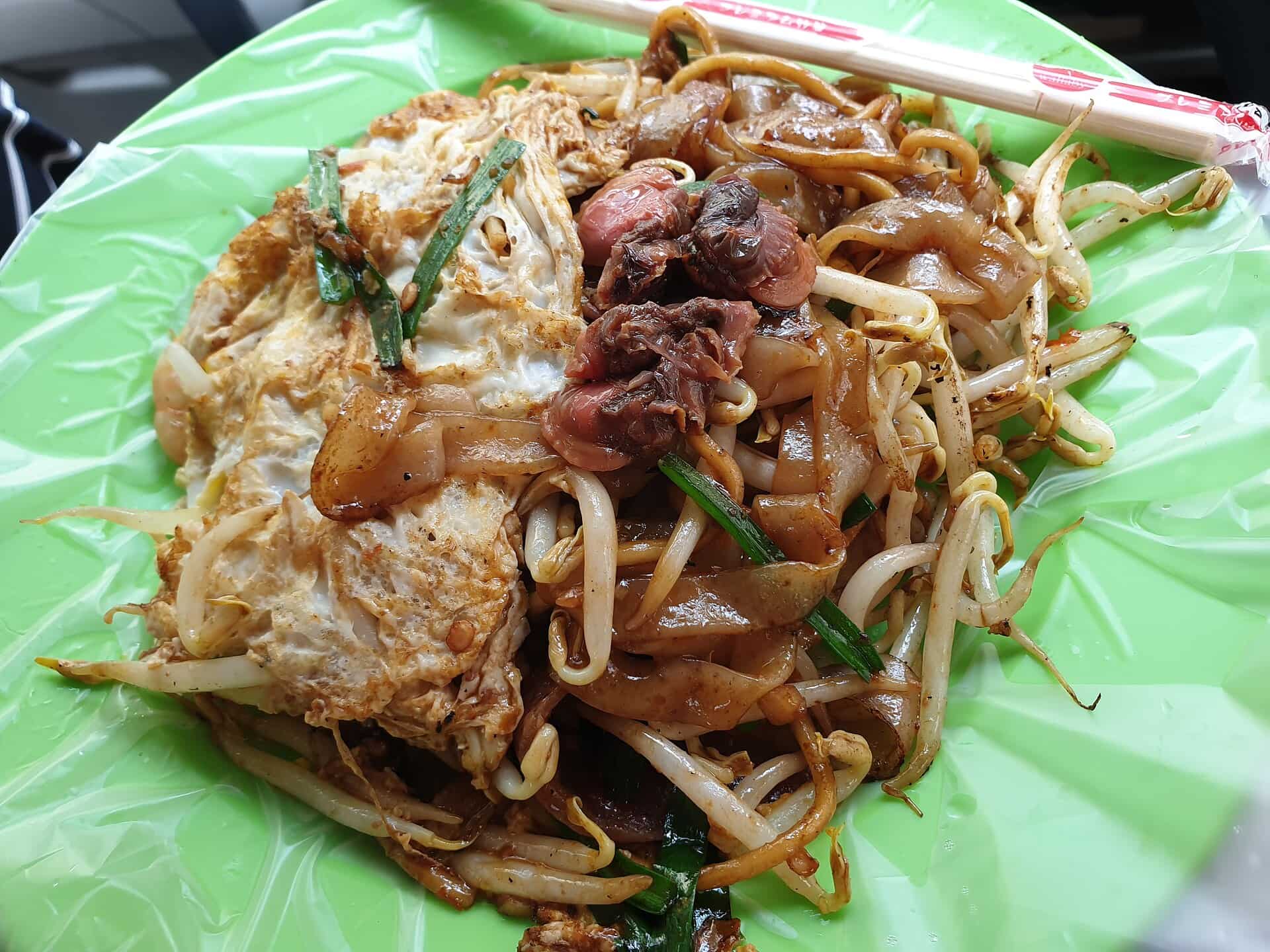
In Penang, char kway teow is a staple that is enjoyed by Malaysians from all walks of life. Travelling further south to Johor, we find laksa Johor, a dish deeply rooted in Malay culture. Meanwhile, in Sabah, hinava, a traditional Kadazan-Dusun dish made from raw fish marinated in lime juice, is enjoyed as part of the state's unique culinary identity. These dishes may come from completely different cultures and regions, but to Malaysians, they are all simply part of the food that we call our own. We do not necessarily stop to think about whether a dish is Malay, Chinese or Kadazan-Dusun before enjoying it. We simply eat it. Perhaps that is what makes Malaysian food so special: our cultures may remain different, but they do not have to remain separate. Even then, a roti canai, a food that has deep Indian roots, is now a part of the Malaysian daily cuisine, which goes to show how cultures from other nations adapted and fit into Malaysia.
Food is only one of the major pieces of unity in Malaysia. We are also connected by a common language that we share, that is Bahasa Melayu. As the national language and a compulsory subject in Malaysian schools, Bahasa Melayu provides a common means of communication among people with different mother tongues. However, that does not stop Malaysians from learning languages commonly used by other communities. For instance, SPM students can choose to study Chinese, Tamil or Kadazan alongside their other subjects, which shows that people are not limited to learning only their own native tongue. Through these lessons, we slowly get a grasp of other cultures, and how their languages shaped the way they live day-to-day.
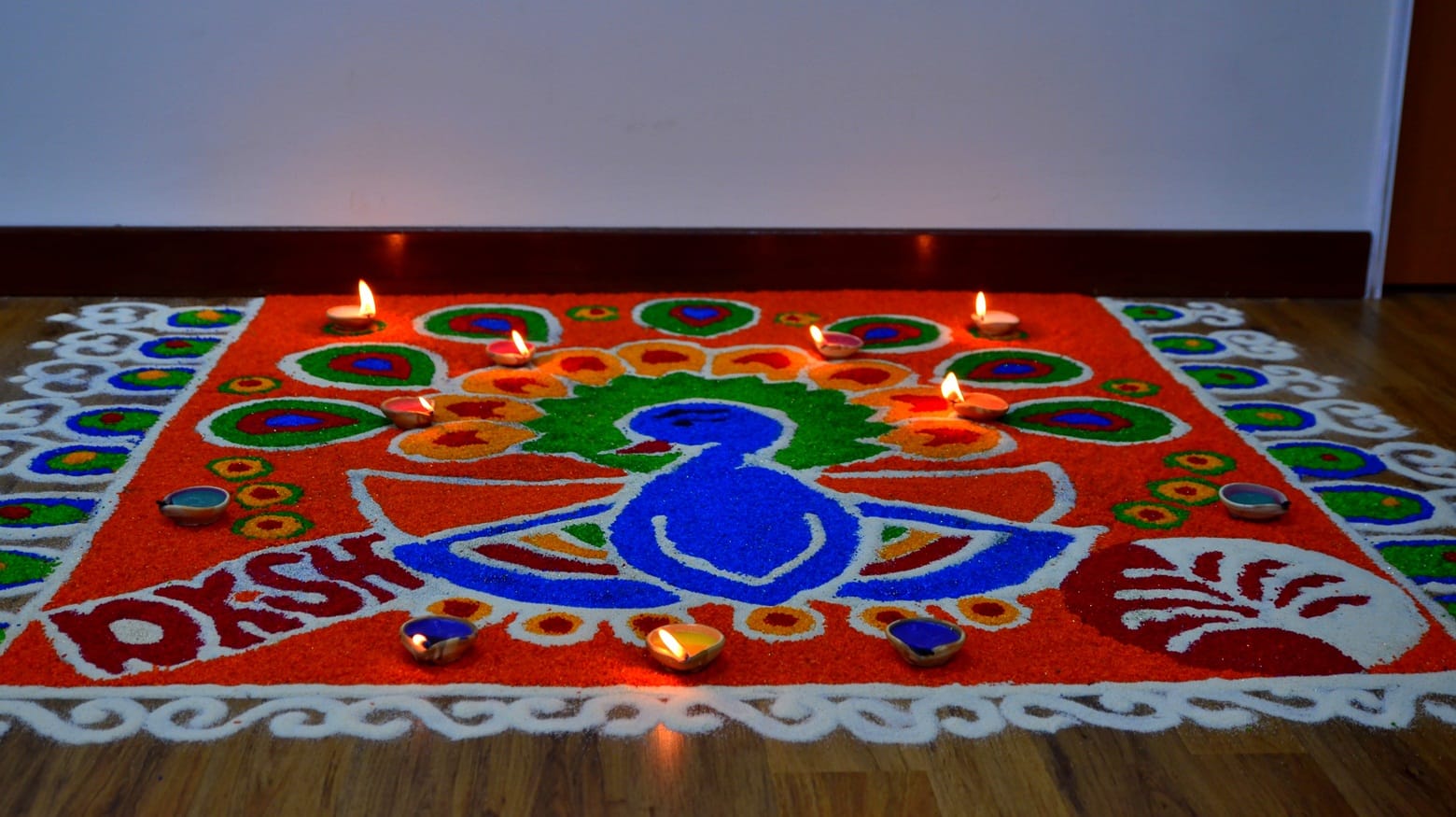
To add on to the topic, Malaysia is also known for its multitude of festivals, ranging from Hari Raya Aidilfitri to Chinese New Year and Deepavali. Open houses, public events and media coverage surrounding these celebrations are often enjoyed and participated in by Malaysians of different backgrounds. For instance, we can see Malay people wearing Chinese traditional clothes during Chinese New Year, and likewise seeing Chinese people attending open houses during Hari Raya Aidilfitri. For Deepavali, ‘kolam’ which are floor paintings made by coloured rice, are oftentimes displayed in shopping malls and other public spaces, often becoming an attraction to anyone who passes by.
But even with those three factors, we can't deny that without tolerance, none of this would be achievable. The ability of Malaysians to tolerate and accept each other is a beauty in and of itself. Tolerance allows these differences to exist without becoming barriers between us. It is what allows Malaysians of different backgrounds to live, work and celebrate alongside one another.
Perhaps unity isn't something that is given to us when we are born, but something cultivated by the environments around us.
‘Keranamu negara Malaysia Malaysia, terima kasih Malaysia!~'
Share your Anak Malaysia stories and stand a chance to win prizes worth up to RM2,880! Find out how to join here. T&Cs apply.
Jaden W (wmjaden3@gmail.com) is a content creator under the Newswav Creator programme, where you get to express yourself, be a citizen journalist, and at the same time monetize your content & reach millions of users on Newswav. Log in to creator.newswav.com and become a Newswav Creator now!
The User Content (as defined on Newswav Terms of Use) above including the views expressed and media (pictures, videos, citations etc) were submitted & posted by the author. Newswav is solely an aggregation platform that hosts the User Content. If you have any questions about the content, copyright or other issues of the work, please contact creator@newswav.com.