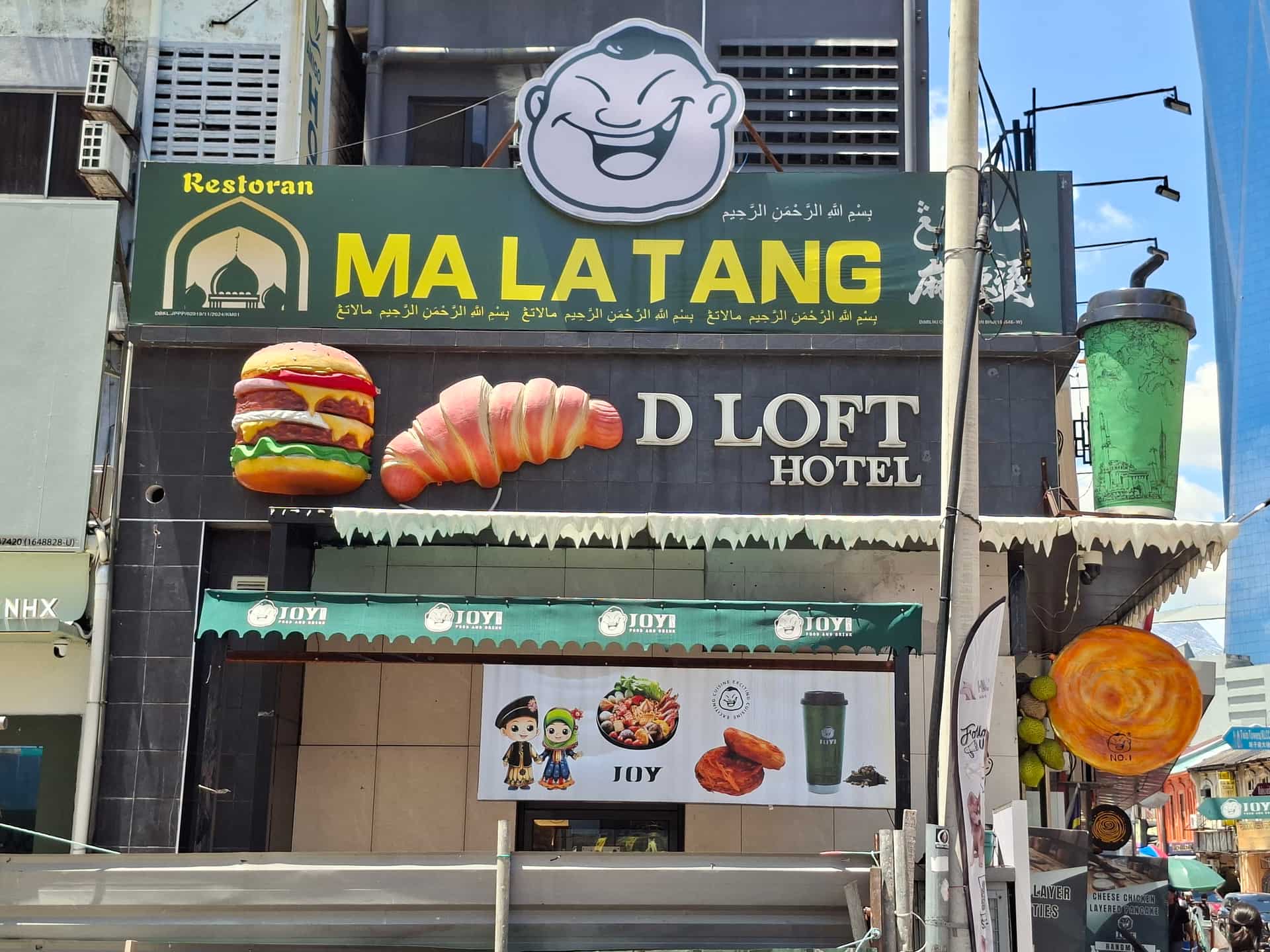
The Mamak Wok and the Hui Wok: Mamak Curry vs. Hui Chinese Mala Tang in Malaysia
Malaysia’s culinary landscape is a battlefield where two armies cook for the crown of the people’s palate. On one side stands the old guard: Mamak curry—a warm, coconut-laced lullaby. On the other, the insurgent: Hui Chinese Mala—a lightning storm of numbing fire. Both are halal, yet their ingredients, emotions, and economic fallout reveal a nation’s taste shifting like desert sand.
1. The Architecture of Mamak Curry
Mamak curry, served in restaurants from Penang to Johor, is a patient building made of golden bricks. Its foundation is a trinity of sautéed shallots, garlic, and ginger, held together with the mortar of fresh curry leaves. The primary load-bearing spices—coriander, cumin, fennel, and turmeric—paint the gravy in the color of a setting tropical sun. But the true soul of Mamak curry is coconut milk (santan) , which flows through the dish like a slow, gentle river, softening every edge. A whisper of kaffir lime leaf adds a citrusy breeze through an open window. Thickened with blended gram flour or potato, this curry is a hammock, not a whip—its heat is a friendly pat on the back, not a slap. Served with capati or nasi lemak, it wraps you in a familiar embrace, the culinary equivalent of an old cassette tape playing in a corner shop.
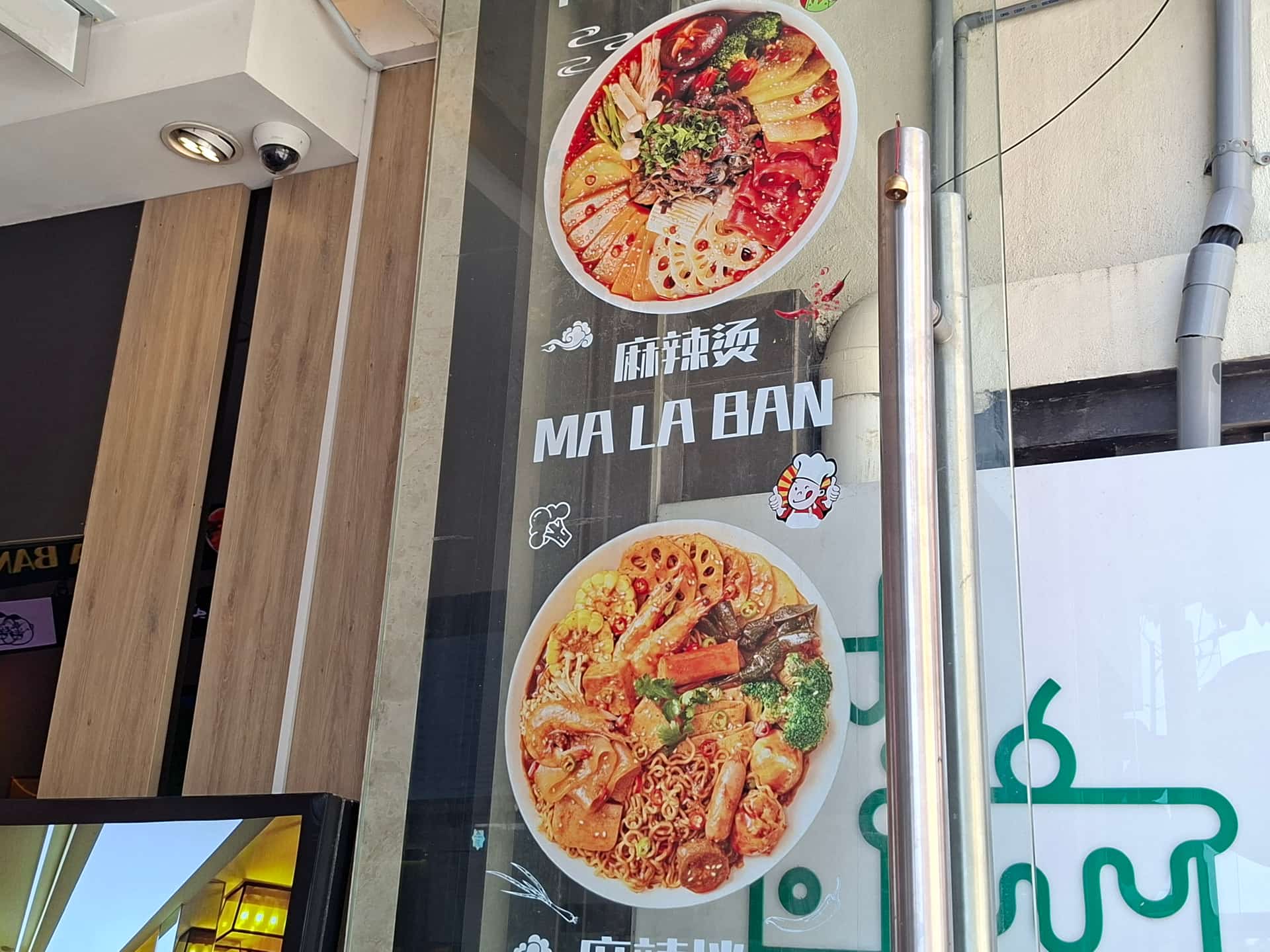
2. The Complex Weaponry of Mala
Now turn the page to Mala (麻辣)—“numbing and spicy”—a weapon forged in Sichuan but sharpened by halal Hui hands. Its base begins with spring onion, ginger, and garlic, but then the recipe leaps off a cliff. Sichuan peppercorn (花椒) is the star here, a tiny seed that does not merely burn but electrocutes the tongue, creating a buzzing, vibrating numbness as if your mouth has fallen asleep and dreamed of fireworks. Dried chilies arrive like a red army marching behind. Add star anise, cassia bark, fennel seeds, cloves, and black cardamom—these are the spices of a dark, smoky alchemy. Toasted in halal beef fat, the broth becomes a cauldron. Fermented bean paste (doubanjiang) injects a salty, funky undercurrent—the bass guitar to the peppercorn’s screaming lead. Where Mamak curry is a lullaby, Mala is a rock concert inside a thunderstorm: chaotic, thrilling, and leaving your lips tingling for an hour.
3. The Lanzhou Lamian (Ramen) Incursion
Here is the number that spells trouble for the old guard: there are about 500 Lanzhou Lamian restaurants in Malaysia. That is a fleet of 500 ships sailing into Mamak waters. These Hui-owned noodle houses, famous for hand-pulled noodles (lamian), all offer Mala on their menus. A decade ago, they were a curiosity. Today, they are a hydra—cut one, and two more appear. For context, major chains like Boat Noodle have dozens of outlets, but 500 independent Lanzhou shops mean you are never more than a short drive from a bowl of numbing broth. Their halal certification is their golden ticket, a government stamp that opens every Muslim door.
4. Closing of Mamak Shops
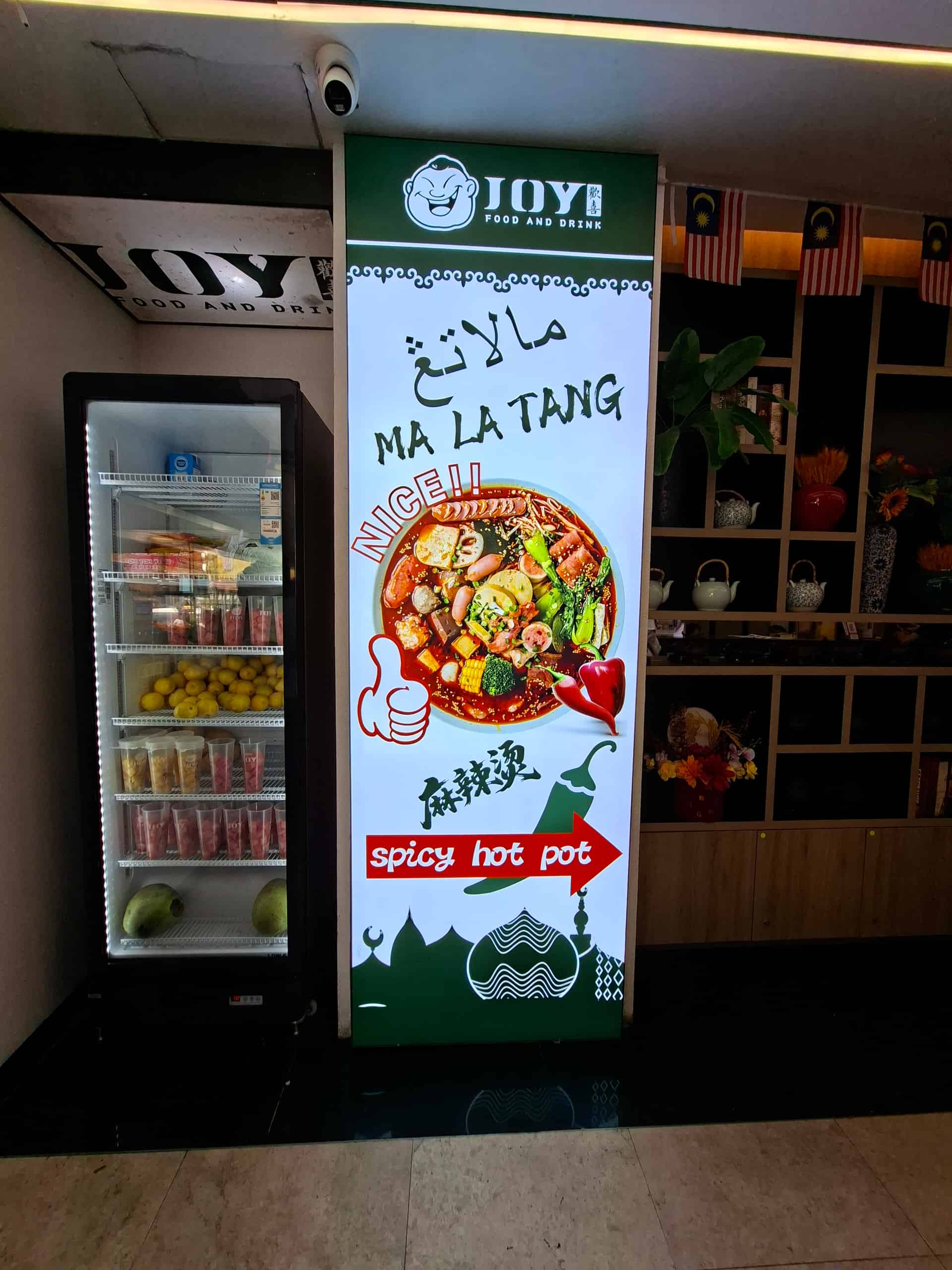
As a result, some Mamak shops have closed because of competition with Chinese Hui restaurants. The math is merciless. A Mamak shop is a dinosaur—requiring 24-hour operations, a small army of cooks, and sprawling open-air premises. The overheads are an anchor. A Hui Mala outlet is a speedboat—smaller, faster, turning tables like a casino turns cards. In neighborhoods like Wangsa Maju, former Mamak corners have become red-lantern Mala dens. The old teh tarik stalls, once community living rooms, now stand shuttered like abandoned lighthouses. The santan supply chain, once a river of gold, has become a trickle.
5. The Hui Advantage: Exotic yet Halal
Most critically, Hui food gives Malaysians an exotic feeling, moreover the food is Halal. For Malay-Muslim families, eating out requires trust as solid as concrete. Hui restaurants display their Malaysian government halal certificate like a royal seal. But beyond certification, Mala offers something Mamak cannot: the thrill of the foreign without the fear of the forbidden. Diners who would never enter a non-halal Chinese kopitiam can now taste Szechuan peppercorn’s electric dance, black fungus’s earthy crunch, and lamb skewers smoked to perfection—all under lantern-lit ceilings. This is culinary tourism without a passport. Mamak curry, beloved as it is, has become the wallpaper of Malaysian dining—always there, rarely noticed.
In the end, Mamak curry remains a mother’s hug. But Mala is a first kiss—unfamiliar, electric, and unforgettable. And in the hunger games of Malaysian food, unforgettable often wins.
moykokming@gmail.com
Moy Kok Ming (moykokming@gmail.com) is a content creator under the Newswav Creator programme, where you get to express yourself, be a citizen journalist, and at the same time monetize your content & reach millions of users on Newswav. Log in to creator.newswav.com and become a Newswav Creator now!
The User Content (as defined on Newswav Terms of Use) above including the views expressed and media (pictures, videos, citations etc) were submitted & posted by the author. Newswav is solely an aggregation platform that hosts the User Content. If you have any questions about the content, copyright or other issues of the work, please contact creator@newswav.com.