
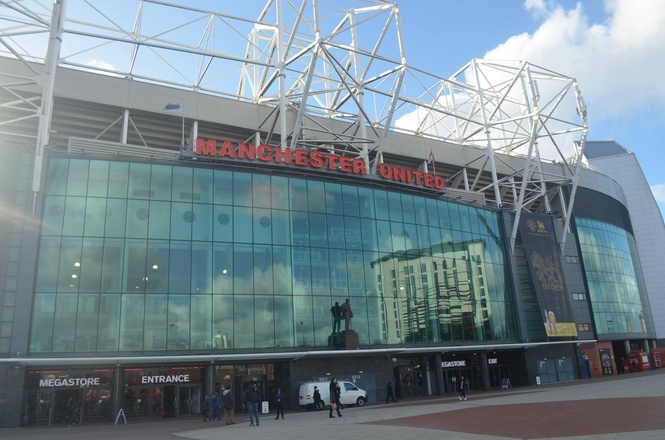
Since Sir Alex Ferguson's legendary tenure ended in 2013, Manchester United has been on a rollercoaster of management changes, player turnover, and fluctuating fortunes. For fans who celebrated the club's dominance over decades, this new era has been filled with uncertainty and frustration. Manchester United’s journey to recapture their former glory reveals deeper challenges, from executive decisions and managerial instability to adapting to the modern football landscape. This complex reality reflects both the obstacles faced by a club in transition and the possibilities that lie ahead.
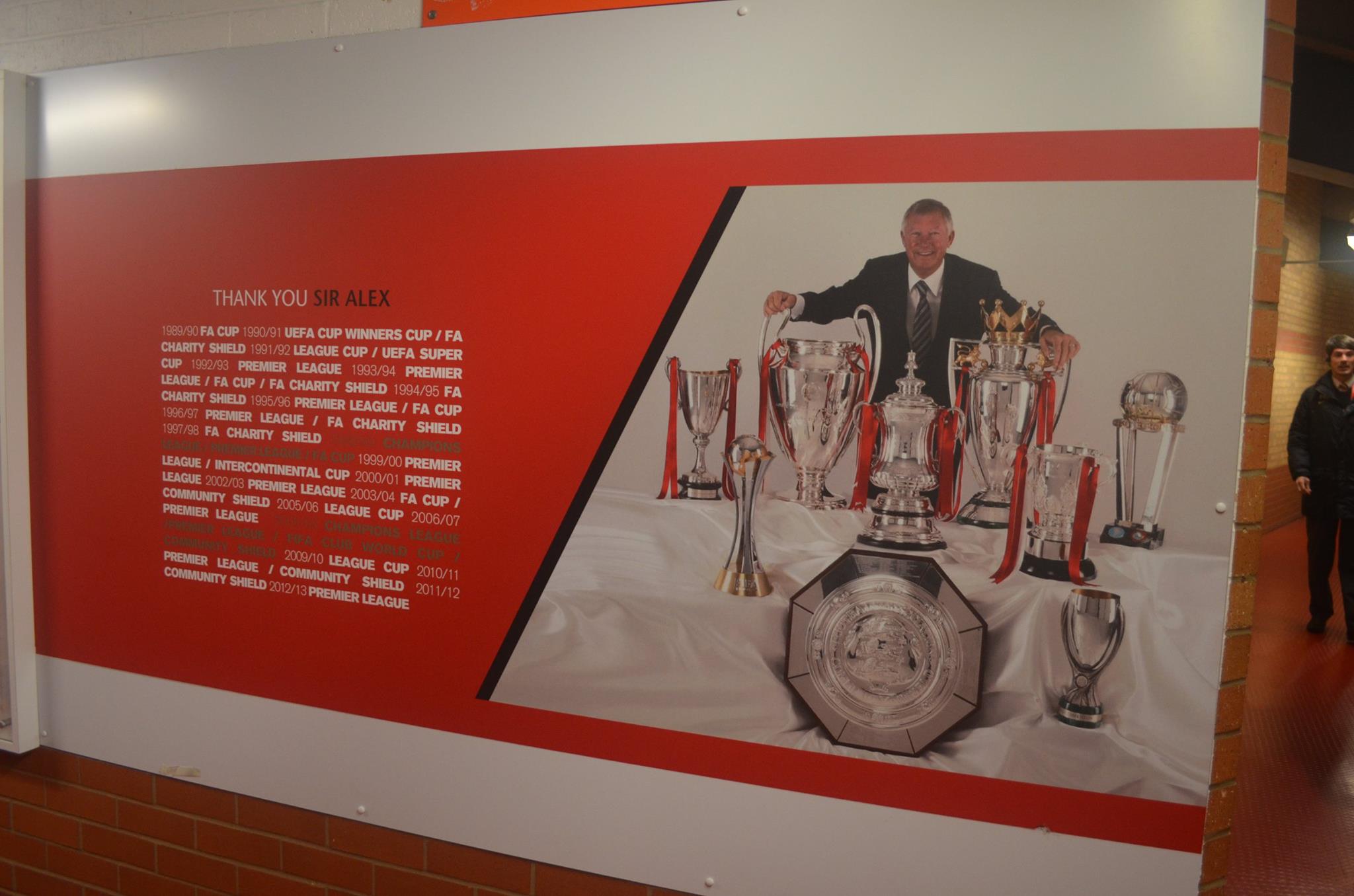
The struggles of Manchester United in the post-Ferguson era are shaped by multiple factors. Since Ferguson's departure, the club has grappled with challenges in leadership, coaching, and adapting to modern football dynamics. United dominated English football during Ferguson's tenure, winning 13 Premier League titles, five FA Cups, and two Champions League trophies. But after his exit, the club has faced a stark decline in consistency and performance, raising questions about their long-term prospects.
A primary factor has been management. Under Ferguson, United had a clear, centralized vision where the manager wielded significant power over both team affairs and player recruitment. In recent years, however, executive decisions have often come from the board and owners, who may not always prioritize the club’s footballing values. Ed Woodward, who served as executive vice-chairman from 2012 to 2022, focused on commercial success, leading to lucrative sponsorship deals but inconsistent recruitment. The result was an influx of high-profile signings, such as Paul Pogba and Romelu Lukaku, not all of whom aligned with a cohesive playing style. This lack of strategic continuity has prevented United from building a sustainable team identity post-Ferguson.
Coaching has also been a key issue. Since Ferguson's retirement, the club has appointed several high-profile managers, including David Moyes, Louis van Gaal, José Mourinho, and Ole Gunnar Solskjær, each bringing distinct philosophies but failing to deliver long-term success. Erik ten Hag was the most recent manager aiming to restore stability, but with his departure, the club again faces uncertainty. The frequent changes in leadership have disrupted the team’s stability, hindering player development and team cohesion. This revolving door of managers has often meant starting from scratch every few years, making it challenging to establish a consistent playing style or culture.
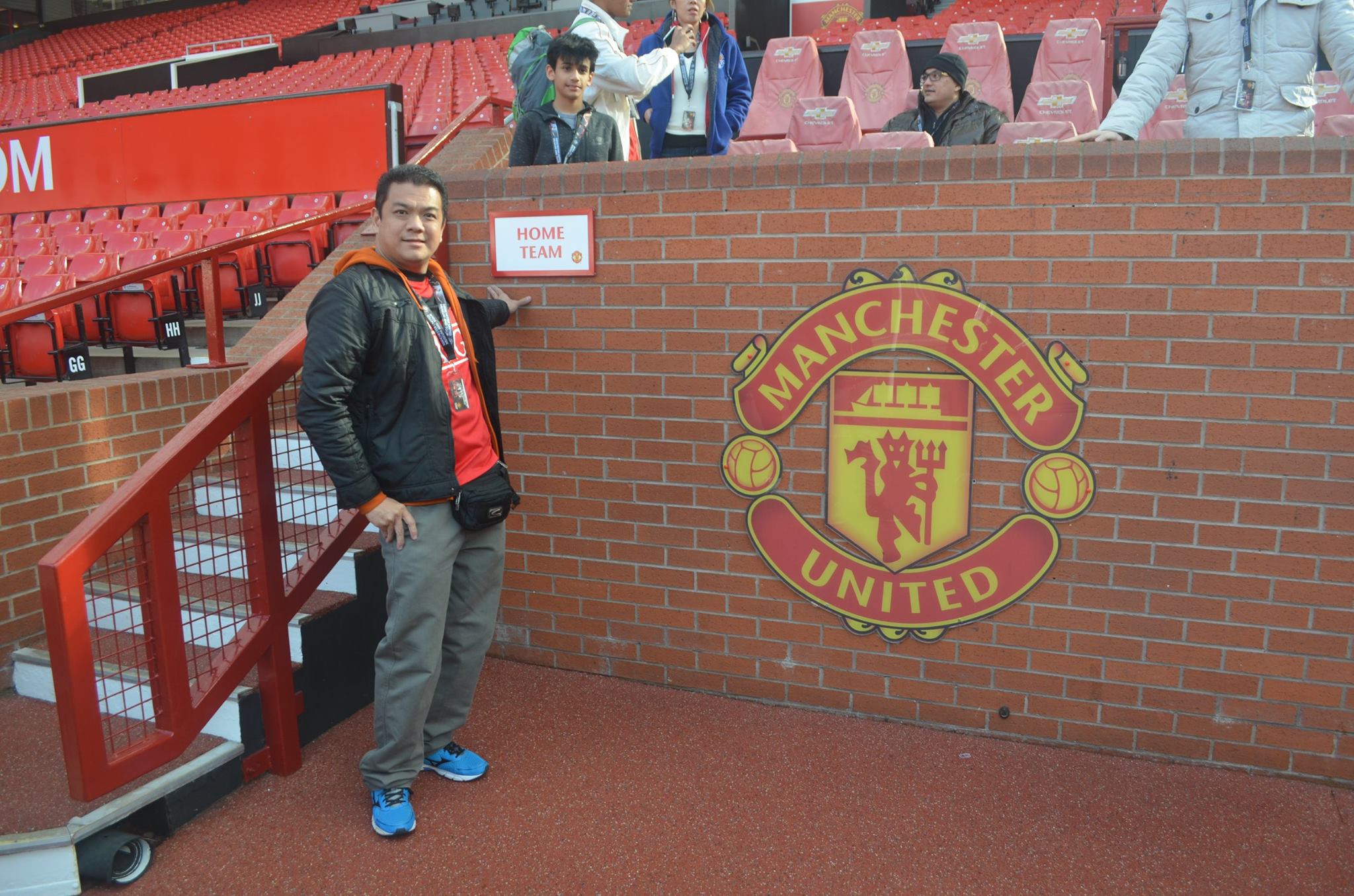
The modern football landscape has evolved as well. The Premier League is now more competitive than ever, with clubs like Manchester City, Liverpool, and Chelsea investing heavily in infrastructure and player development. City, under Pep Guardiola, and Liverpool, under Jürgen Klopp, exemplify the importance of a clear tactical identity combined with shrewd player recruitment. In contrast, United has often lagged in adapting to tactical innovations, instead relying on individual talent over a structured system.
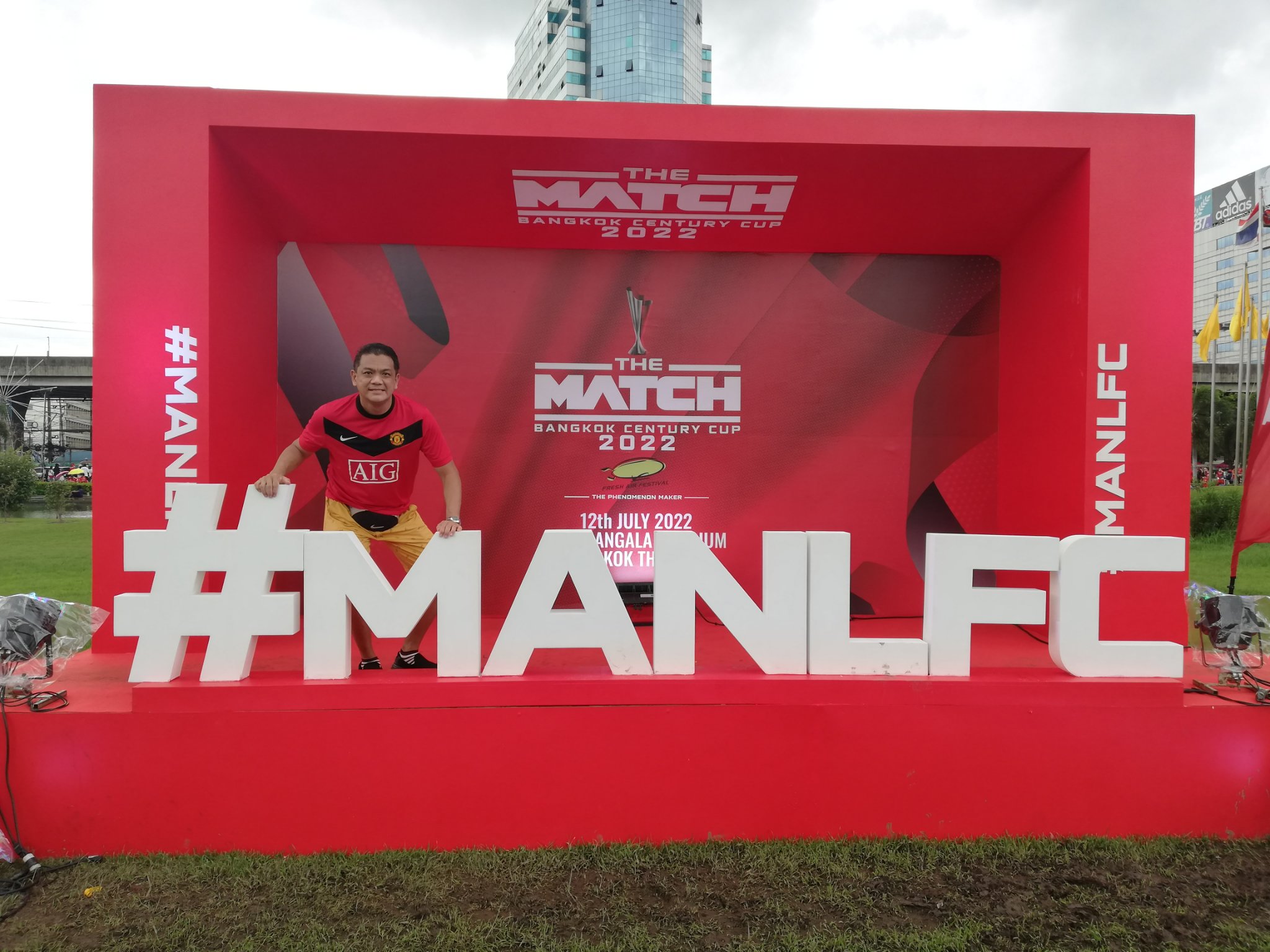
Manchester United's situation mirrors Liverpool’s decades-long title drought following their dominance in the 1970s and 80s. The challenge of transitioning from a successful era is daunting, especially as rivals evolve. For United to break the cycle, they must prioritize a long-term vision, align managerial choices with recruitment, and adapt to modern football trends. While it may take time, a structured, patient approach could eventually restore United to their former glory.
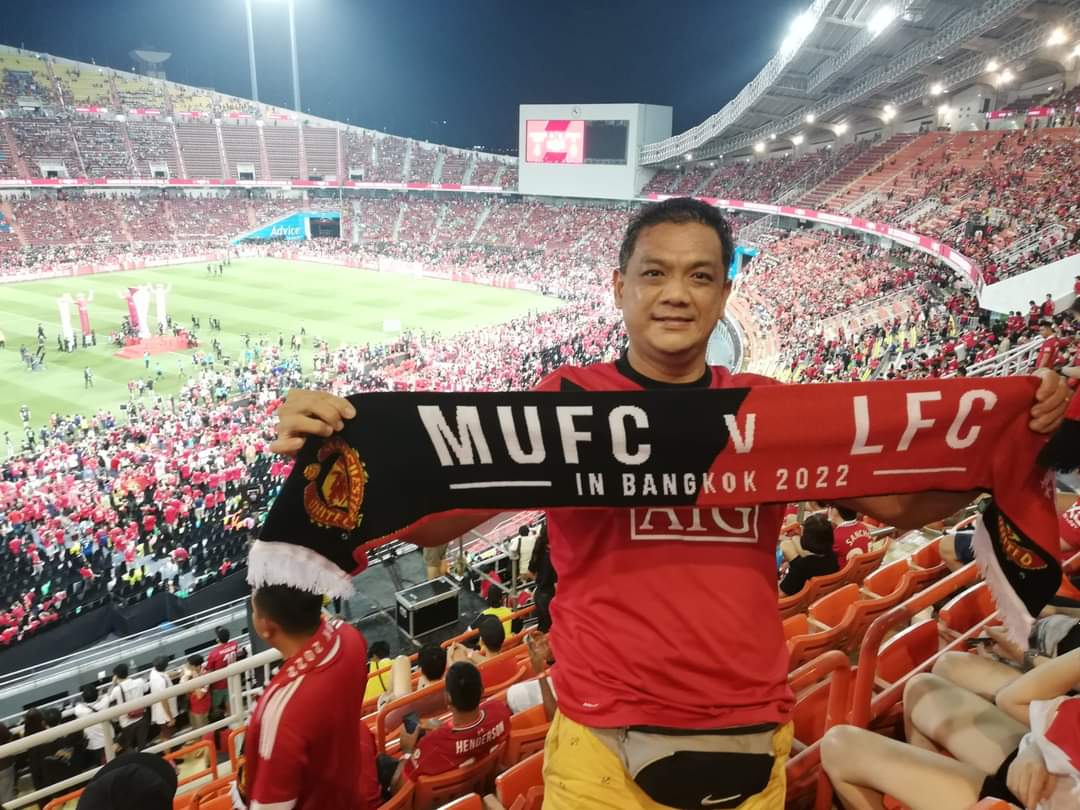
While Manchester United's struggles post-Ferguson highlight the difficulty of sustaining dominance in modern football, hope remains. To escape the cycles of instability and short-term fixes, the club needs a committed approach centered on a unified vision. With patience, structural consistency, and alignment between the boardroom and the pitch, Manchester United can once again build a team that embodies the legacy Ferguson left behind—and potentially restore the club to the pinnacle of English and European football.
Paul Woon SF is a content creator under the Newswav Creator programme, where you get to express yourself, be a citizen journalist, and at the same time monetize your content & reach millions of users on Newswav. Log in to creator.newswav.com and become a Newswav Creator now!
The User Content (as defined on Newswav Terms of Use) above including the views expressed and media (pictures, videos, citations etc) were submitted & posted by the author. Newswav is solely an aggregation platform that hosts the User Content. If you have any questions about the content, copyright or other issues of the work, please contact Newswav.