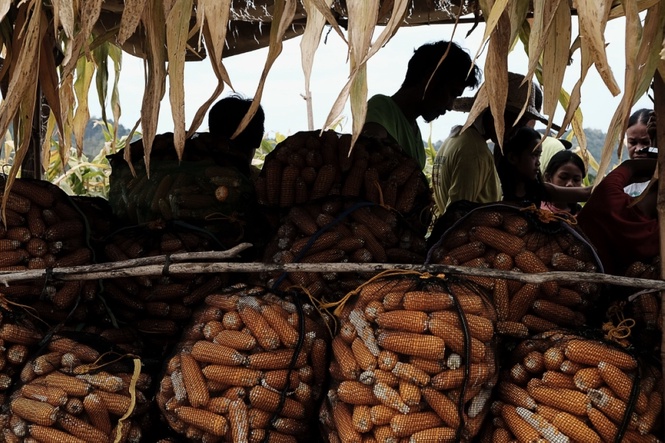
PRESIDENT Ferdinand Marcos Jr. signed Executive Order (EO) 129, which temporarily increases the Minimum Access Volume (MAV) for corn imports to prevent possible feed and food price increases.
The order, signed on Oct. 26, increases the MAV for corn from 220,000 metric tons to 500,000 metric tons.
The decision comes as national projections indicate a yellow corn deficit of approximately 1.422 million metric tons between March and December 2026.
According to the order, domestic production constraints have been exacerbated by escalating agricultural input costs — such as higher prices for fertilizer, fuel and freight — alongside weather-related risks, including potential impacts from El Niño.
“There is an urgent need to address the projected supply gap in yellow corn, ensure adequate and stable supply of corn for the livestock, poultry, and feed milling industries, and mitigate pressures on feed and food prices,” the order reads.
The move follows a recommendation from the MAV Management Committee (MMC) to activate the “MAV Plus Mechanism,” which aims to supply necessary feed materials to qualified feed millers and manufacturers, as well as livestock and poultry farmers and cooperatives producing feed for their own operations.
Yellow corn serves as the primary energy component in feed for the livestock and poultry sectors.
Shortages in domestic corn could drive up feed production expenses, leading to higher retail prices for pork and chicken products and worsening overall food inflation.
Marcos initially submitted the proposal to Congress on Sept. 29, 2026, in accordance with Republic Act 8178, or the “Agricultural Tariffication Act,” as amended.
Under the law, presidential adjustments to MAV quotas in response to abnormal price increases or severe shortages are deemed approved if Congress takes no substantive action within 15 days of receipt.
The newly-signed EO directs the MMC to formulate and issue implementing guidelines within 30 days of the order’s effectivity and will establish transparent allocation mechanisms to ensure the additional 280,000 MT import volume reaches affected sectors while promoting consumer welfare and maintaining market stability.