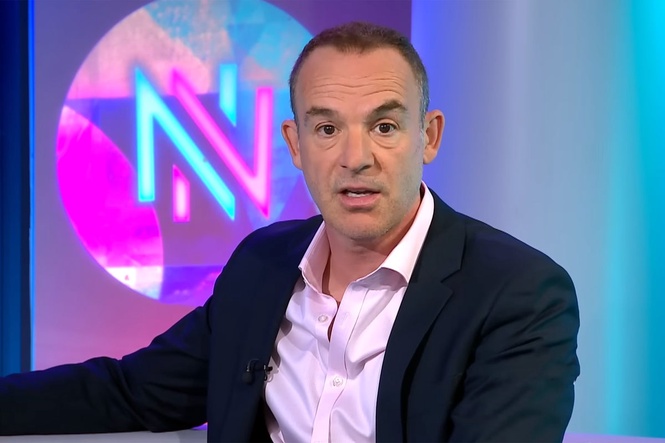
Money expert Martin Lewis has shared his guide for savers looking to lend money to family and friends, sharing what to do if things go “wrong”.
People regularly turn to friends for loans to beat high bank interest rates, the Money Saving Expert founder wrote, with high street credit cards charging around 25 per cent.
But he said this comes with considerations of its own, especially when substantial sums are involved.
Before transferring funds, Mr Lewis warned lenders must evaluate the emotional dynamics involved.
The money expert wrote: “The old saying ‘neither a borrower nor a lender be’ exists for a reason. Lending money to someone you know isn’t just a financial decision. It’s an emotional one. It can involve guilt, pressure, love, trust, obligation and - if it goes wrong - resentment.”
Assumptions about repayments can break down if a borrower encounters financial difficulty or fails to prioritise the debt, he warns, often causing lasting strain on personal relationships.

To make a loan official, lenders can use a formal lending agreement, which gives them certain protections in case things go wrong.
This gives them the power to take action to recover the money lent if they are not paid back, with the bonus of ensuring the borrower knows the risks involved.
And there are some other key tips that Mr Lewis shares in order to feel sure about the arrangement:
- Don’t lend if you feel pressured or manipulated – this could be classed as economic abuse, which is a form of domestic abuse
- Consider if you can afford the loan – as a rule of thumb, if not receiving the money back at the agreed time would put the lender in financial difficulty, they should not lend it
- Look into other forms of support – there are several debt and budgeting services available or, if a loan is needed, cheaper forms of commercial borrowing available
Turning to the most “awkward” part of family and friend lending, Mr Lewis addressed whether interest should be charged on these loans.
This feeling is “misplaced” in principle, he added.
“The reason it's misplaced is that there is a real cost to lending… if you kept the money, you could save it or invest it to make it grow,” Mr Lewis said. “By lending it, you are giving up that return.
“Therefore, charging interest isn’t necessarily unkind, ungenerous or unreasonable. But there’s a balance. If the point of lending is to help someone, then charging commercial rates may defeat that. You don’t want to charge them as much as they’d pay on an expensive commercial credit card or loan, otherwise, you’re not really helping them much.”
Mr Lewis pointed to his Money Saving Expert website, where more advice and a template agreement for lending can be found.
The Mohegan Tribe made an early bet on a WNBA team. Now the Sun is setting
Martin Lewis reveals how to get a ‘free’ £240 before Christmas
Tommy Robinson at court to see anti-migrant activist Danny Tommo deny criminal damage
UK Government must take ‘immediate action’ on homelessness, says Somerville
Welsh police force hit by cyber attack as information at risk
Oasis fans begin to receive first ticket codes for band’s 2027 tour