A Big Mac may be a familiar order, but its price is not necessarily the same at every McDonald’s. The cost can vary between restaurants, even when they are only a few miles apart. That difference has drawn new attention after reports that McDonald’s is using artificial intelligence to help franchisees make pricing decisions. The technology is part of a broader effort to analyze sales, local market conditions, and competitors’ prices—but the company says AI does not set menu prices or determine what an individual customer pays.
The issue is raising questions about how much technology should influence what customers pay for fast food. A recent Reuters investigation described a pricing tool that generates restaurant-specific recommendations, while McDonald’s says franchisees independently decide their menu prices. Lawsuits and questions from lawmakers have added scrutiny, although allegations are not findings of wrongdoing. For customers, the practical question remains: Could the same Big Mac cost more at the McDonald’s across town, and how can you check before ordering?
Why McDonald’s Is Using AI in Pricing
McDonald’s has a large network of restaurants, and each location can face different operating conditions. Rent, labor, food costs, local competition, and customer demand may vary from one market to another. Reuters reported that McDonald’s pricing engine analyzes transaction data and other information to generate what the company calls an “optimal” price for each menu item at each restaurant. The system also considers competitor menu prices in nearby areas.
McDonald’s describes the tool as a source of recommendations, not an automatic pricing system. In an October statement, the company said AI does not set or change menu prices, and that franchisees independently make those decisions. It also said the tool does not set prices based on an individual customer’s willingness to pay or change prices in real time. The distinction matters: AI may inform a business decision, but the company says people make the final call.
Could a Big Mac Cost More Just a Few Miles Away?
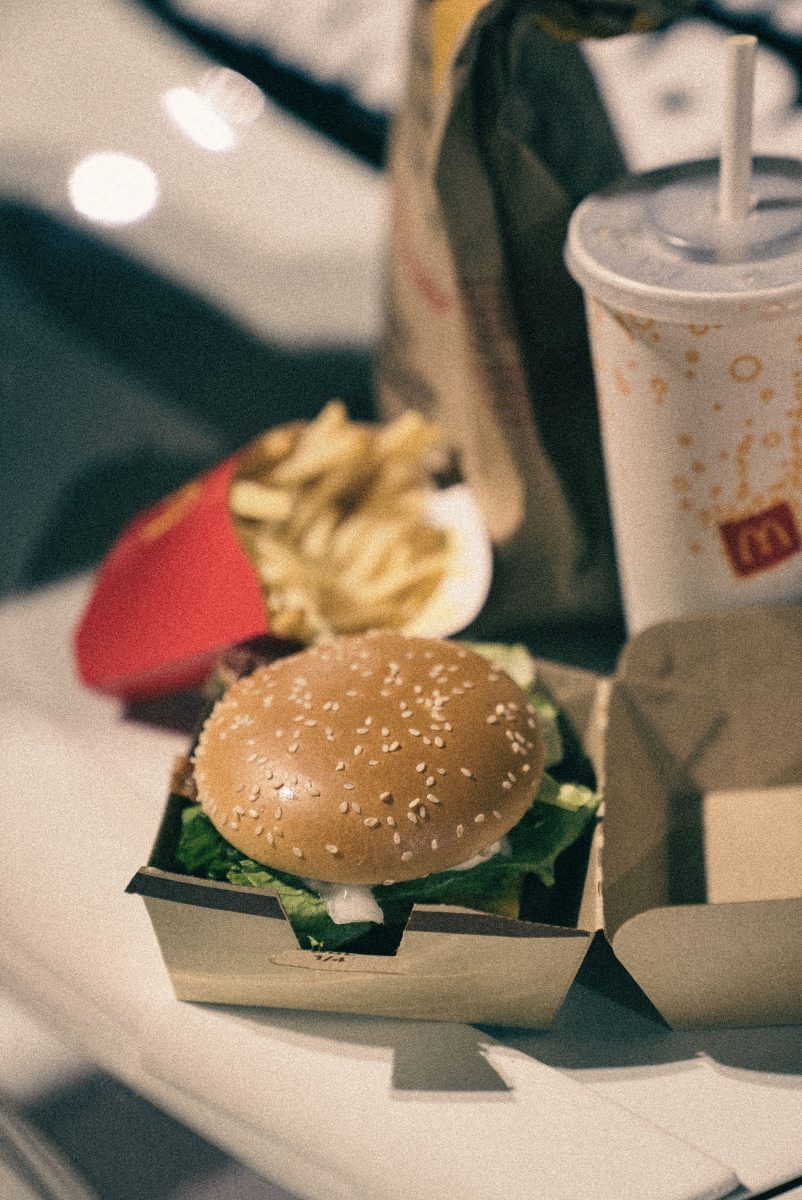
Yes, menu prices can differ between nearby McDonald’s locations. In a September comparison reported by Reuters, one company-run restaurant in Fresno, California, listed a Big Mac for $5.69, while another location about two miles away listed it for $6.89. That is a difference of $1.20 for the same sandwich. Reuters noted that it could not confirm whether the AI tool’s recommendations caused the price gap.
Location-based differences are not entirely new to fast food. Restaurants may have different costs, ownership structures, and competitive conditions, and franchisees generally have a role in setting prices. What has changed is the attention on the data and tools used to guide those decisions. A price difference alone does not establish that a restaurant is using dynamic pricing or charging customers based on personal information.
Is This the Same as Dynamic Pricing?
Dynamic pricing generally means prices can change based on conditions such as demand, timing, or other variables. It is often associated with airline tickets, hotel rooms, and ride-hailing services. McDonald’s says its pricing recommendation tool does not change menu prices in real time or charge different customers different prices for the same item. According to the company, it provides location-specific recommendations that franchisees can choose whether to use.
The distinction can be confusing because AI-assisted recommendations may still lead to different prices across locations. Reuters reported that the system considers factors including local customer price sensitivity and competitor prices. McDonald’s disputes the characterization that AI sets prices, describing the tool as a standard business resource. Customers should therefore distinguish between varying prices at different restaurants and a system that changes the price for an individual customer or at different times of day.
Why the Pricing System Is Drawing Scrutiny
The pricing tool has prompted questions about how independent franchisees make decisions and whether a centralized recommendation system could affect competition. Reuters reported that some franchise owners felt pressure to use the tools, even though McDonald’s says the recommendations are not mandatory. The company’s relationship with franchisees is an important part of the debate because most U.S. McDonald’s restaurants are independently operated.
The issue has also moved into court. A proposed class-action lawsuit filed in October alleges that McDonald’s used an AI-powered system to coordinate prices across franchisees and company-owned restaurants in violation of antitrust law. McDonald’s has called the allegations speculative and says franchisees set their own prices. Separately, lawmakers have asked the company to explain its pricing practices and how the system uses data. These are ongoing allegations and inquiries, not proof that the company has violated the law.
What Customers Can Do Before Ordering
For customers trying to keep a fast-food meal affordable, the simplest step is to compare prices at nearby locations before placing an order. The McDonald’s app can show restaurant-specific menu prices, although customers should confirm that the selected location is the one they intend to visit. Comparing the price of a sandwich, combo meal, or add-on at two nearby restaurants may reveal a difference worth considering.
It is also useful to check the app’s deals and offers section. A location may have a promotion that changes the overall value of an order, even if its regular menu prices are higher. Compare the total for the meal rather than focusing only on the Big Mac price, and check whether pickup or delivery changes the amount. The price displayed for a selected restaurant is the most practical starting point for deciding where to order.
What This Means for Your Next Big Mac
McDonald’s AI-assisted pricing recommendations have brought new attention to a familiar reality: the same fast-food item can cost different amounts at different restaurants. The company says AI does not set menu prices, and that franchisees retain the final decision. Reporting has raised questions about how much influence the recommendations have, while lawsuits and lawmakers’ inquiries continue to examine the practice.
For now, customers do not need to guess whether a Big Mac costs more across town. Checking the menu in the app for nearby locations can help reveal actual prices before a purchase. With promotions and restaurant-specific prices in the mix, comparing the full order—not just one sandwich—can help shoppers make a more informed choice.
What To Read Next
McDonald’s Is Being Sued Over Its AI Pricing Tool — Could It Affect What You Pay?
What Does $20 Buy at Costco’s Food Court vs. McDonald’s?
9 McDonald’s Ordering Hacks That Can Get You More for Your Money
Applebee’s vs. McDonald’s: Where Does $25 Feed More People?
This McDonald’s Secret Menu Hack Requires You to Buy 3 Sandwiches — Is It Worth It?
The post McDonald’s Is Using AI to Help Set Prices — Could Your Big Mac Cost More Across Town? appeared first on Grocery Coupon Guide.