.jpg)
By Mihar Dias (C) Copyright January 2024
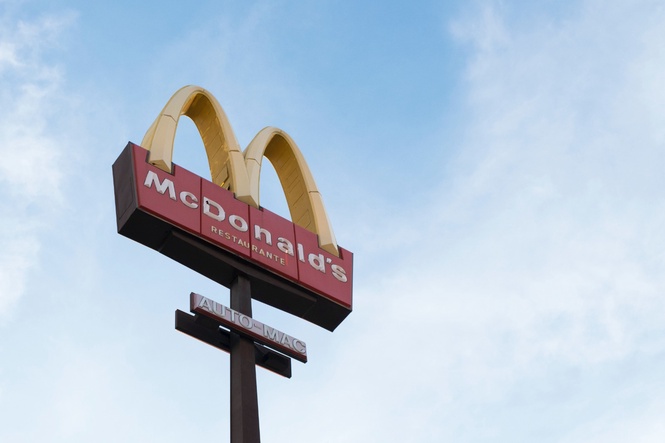
McDonald’s Malaysia's recent civil defamation suit against BDS Malaysia has far-reaching implications beyond the courtroom. At the heart of the matter is the alleged defamation through online posters, wherein McDonald’s claims its brand is wrongly associated with the conflict in Gaza and collusion with Israel.
This legal clash underscores the growing intersection of corporate image, social responsibility, and geopolitical activism.
BDS Malaysia, known for advocating the boycott of entities associated with Israel, denies defaming McDonald's and asserts its right to criticize the global brand for alleged connections with the Israeli army. The case prompts reflection on the delicate balance between freedom of expression and protecting a company's reputation.
The lawsuit sheds light on the power dynamics between corporations and advocacy groups in the age of social media.
McDonald’s argument that BDS Malaysia should have been aware of the potential consequences of its online posts, given the fast-food chain's extensive social media presence, raises questions about the responsibility of entities engaging in digital activism and the impact of their messages on businesses.
Moreover, the demand for RM6 million in damages reveals the economic stakes involved. McDonald’s contends losses in profitability, shorter business hours, threats to employee safety, and reputational damage. The requested compensation extends beyond financial losses to include severance compensation, waste disposal costs, and a call for an unconditional apology and post removal.
This legal skirmish accentuates the challenges faced by multinational corporations operating in politically sensitive regions.
McDonald’s assertion that it does not engage in political or religious conflicts anywhere globally reflects a broader trend where companies navigate intricate geopolitical landscapes to protect their market standing.
The case underscores the complexity of managing corporate reputation in an era of heightened social and political awareness. McDonald’s Malaysia argues that its efforts to clarify its stance have been futile, indicating the difficulty of correcting misinformation once it takes root in the public consciousness.
As this legal drama unfolds, it raises essential questions about the responsibilities of both corporations and advocacy groups in the age of digital activism.
The outcome of this case may set a precedent for future disputes where businesses and NGOs collide in the realm of online discourse, shaping the boundaries of free expression, corporate responsibility, and the repercussions of geopolitical activism on a global scale.
Mihar Dias is a content creator under the Newswav Creator programme, where you get to express yourself, be a citizen journalist, and at the same time monetize your content & reach millions of users on Newswav. Log in to creator.newswav.com and become a Newswav Creator now!
The User Content (as defined on Newswav Terms of Use) above including the views expressed and media (pictures, videos, citations etc) were submitted & posted by the author. Newswav is solely an aggregation platform that hosts the User Content. If you have any questions about the content, copyright or other issues of the work, please contact Newswav.

![[UPDATED] McDonald’s M’sia is suing us for RM6 mil: BDS Malaysia](https://cdn.newswav.com/img/topic/local.jpeg)