Measles is surging at historic levels in the United States with nearly 3,900 cases reported in 47 states and Washington, D.C. this year so far.
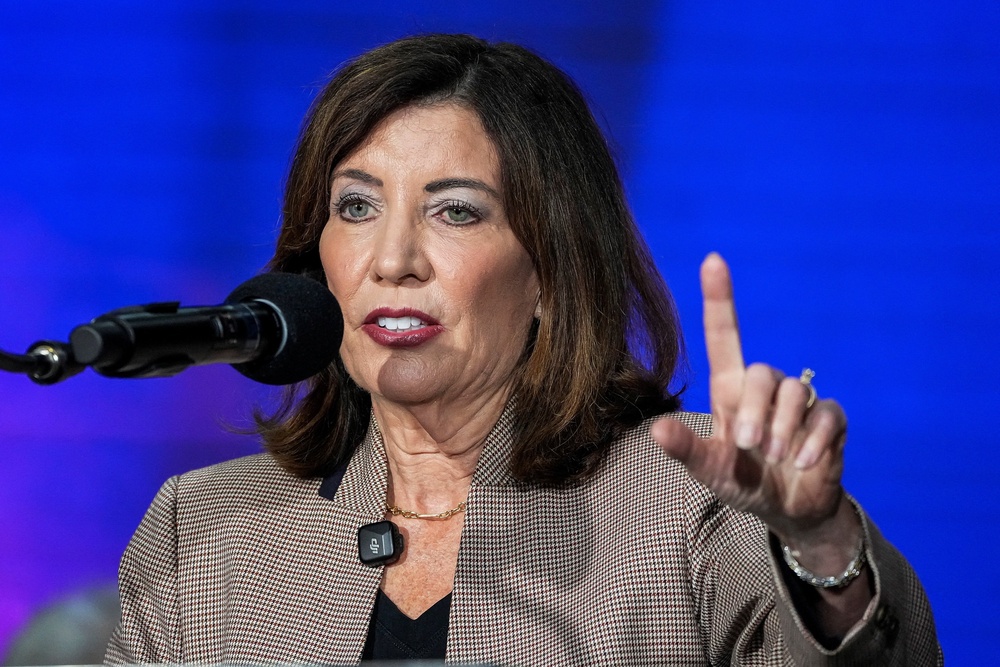
New York Governor Kathy Hochul declared a state of emergency due to the virus Monday after 109 cases were reported - the most since a 2019 outbreak.
Pennsylvania has experienced the nation’s largest measles outbreak in over three decades with infections surpassing the 1,000 case threshold this week.
The state has reported five deaths linked to measles but that has been disputed by federal health officials who only confirmed two fatalities. Health Secretary Robert F. Kennedy, Jr. claimed in August that Pennsylvania’s measles deaths were “fabricated” and ordered the CDC to change how it counts such fatalities.
Cases have surged over the past year in largely unvaccinated communities. Health experts say vaccine hesitancy and misinformation have led to falling child vaccination rates. The majority of 2025 and 2026 cases are in children and teens, CDC data shows.
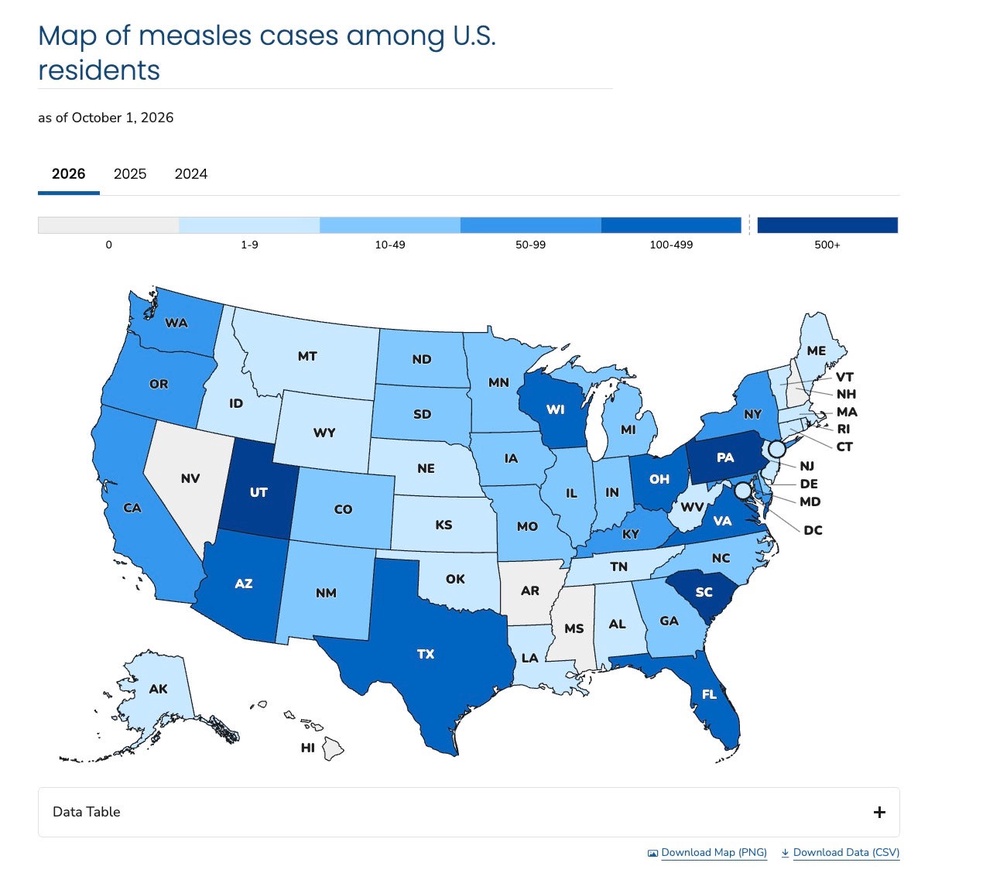
South Carolina had a six-month outbreak of nearly 1,000 cases between October 2025 and April 2026. An ongoing outbreak in Utah has led to 724 infections since June 2025.
An HHS spokesperson told The Independent that the CDC had "mounted an aggressive response to measles outbreaks across the country," including deploying epidemic assistance investigations in Texas, South Carolina, Virginia, Kansas, New Mexico and Wisconsin.
The spokesperson said they would be willing to deploy epidemiologists and other experts to New York, too, if needed.
"Secretary Kennedy spoke with Governor Hochul this morning and offered the full support of HHS and CDC as New York responds to the measles outbreak. The Secretary connected Governor Hochul directly with CDC Director Dr. Erica Schwartz, and our teams stand ready to provide whatever assistance the state needs," the spokesperson wrote in an email Tuesday night.
Measles is a highly-contagious virus that can cause high fever, rash, cough, runny nose and red, watery eyes. If it becomes a serious case, it can cause brain-swelling, pneumonia and death.
The majority of infections are in people who are unvaccinated.
Infections spread easily after a person with measles coughs or sneezes, but the viral droplets they produce can linger in the air for up to two hours or contaminate surfaces.
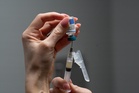
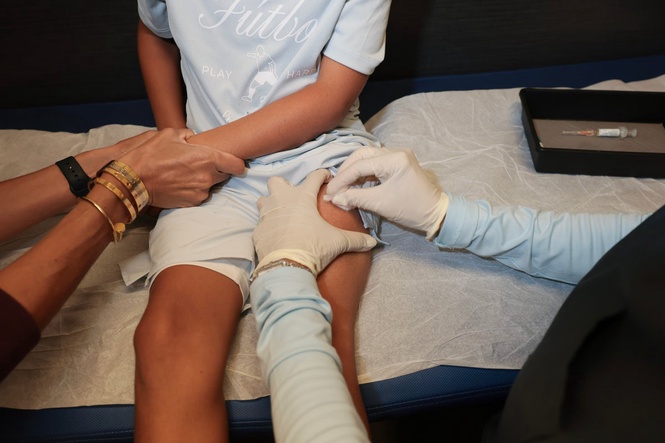
Receiving two doses of the MMR vaccine, that targets measles, mumps and rubella, provides lifelong protection against infection.
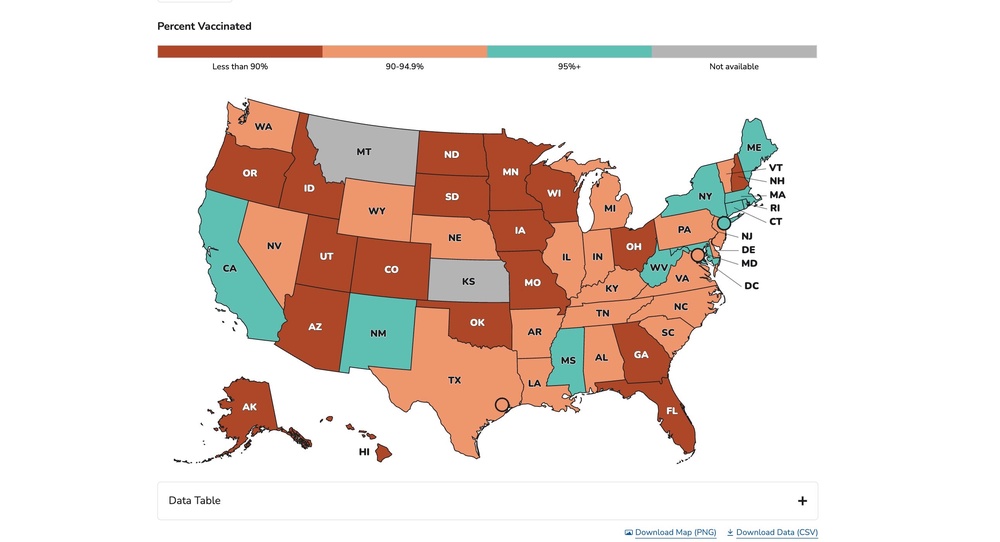
Only 10 states have reported kindergarten vaccination levels at 95 percent - the level needed to ensure sufficient immunity to the disease so that it no longer spreads easily.
Vaccination against measles has been proven effective and the virus was declared eliminated from the U.S. in 2000 after most Americans had been vaccinated.
It’s likely that the U.S. will lose its elimination status this year, according to medical experts in Boston. This status indicates there has not been continuous spread of the disease for more than a year.
It has been the most active year for measles in the U.S. since the 1990s.
“Strengthening vaccination efforts, reducing exemption rates and interrupting ongoing local transmission will be essential to reverse this trajectory,” the researchers said in a letter in May.
Read MoreAsian stocks mostly fall back despite latest earnings-driven rally on Wall Street
What is XFG Covid strain? Symptoms to look out for as UK cases grow
Young mothers dig graves for their children in Chad’s desert refugee camps
Two big unknowns limit how US will respond to possible Russian plague outbreak
Virus that can cause polio-like illness in children is spreading in California
Expert says what under-50s need to do now to help avoid cancer as rates surge