KUALA LUMPUR, Aug 16 — In Malaysia, tabletop gaming is steadily growing beyond a niche hobby, bringing communities together through creativity, strategy and storytelling.
From Dungeons & Dragons (D&D), Pathfinder and Call of Cthulhu to modern board and card games, players are discovering experiences that foster imagination, critical thinking and collaboration.
For some enthusiasts, however, playing was only the beginning. They have gone on to create their own games, developing original concepts, designing mechanics and finding new ways to share Malaysian stories and experiences.
This growing creative movement is evident at tabletop events such as Any Games Con, the Asian Board Games Festival and the recent All Aboard event, where local creators showcase their original games and the ideas behind them.
Malay Mail spoke to several Malaysian tabletop game creators to learn what inspired them to turn their ideas into playable experiences.
Faculty of Fun team: Nasi Lemak and Roti Canai: The Game
The Faculty of Fun team — comprising businessman Logan Ghanesh, lawyer Amarveen Malairaja, photographer Ravin Shanmugarajan, and veterinarian Nyanavelan Sivapalan — has been steadily carving out a name in Malaysia’s growing tabletop gaming scene.
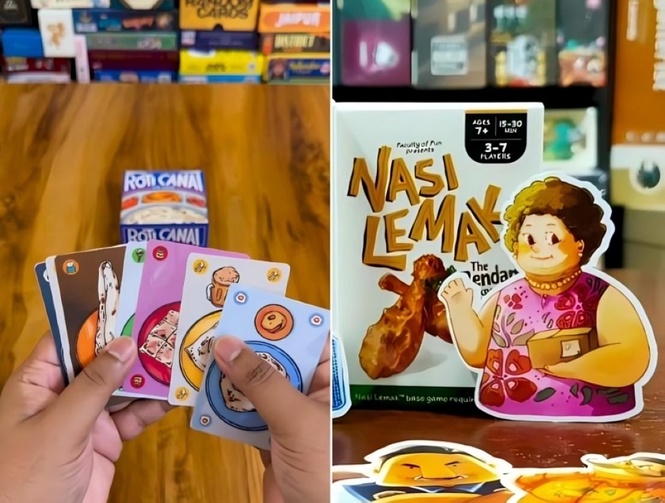
Many may already be familiar with their creation, Nasi Lemak: The Game, a card game in which two to five players compete as stall owners, collecting ingredients, sabotaging opponents, and racing to complete five packs of nasi lemak.
The first player to complete five packs wins.
If the deck runs out before anyone achieves this, the player with the highest total score is declared the winner.
Building on that success, the team’s latest creation is Roti Canai: The Game, a card game for two to five players in which participants compete to be the first to empty their hands by completing customer orders based on the roll of the dice, while also using bluffing to outwit their opponents.
“Similar to Nasi Lemak: The Game, the idea behind Roti Canai: The Game is to make something simple and relatable to all Malaysians, at the same time introduce our culture to foreigners who try the game,” shared the 32-year-old Nyanavelan.
He added that both local and international conventions have been encouraging for the team, with their food-themed concepts and eye-catching artwork attracting many visitors to the booth to try both games.
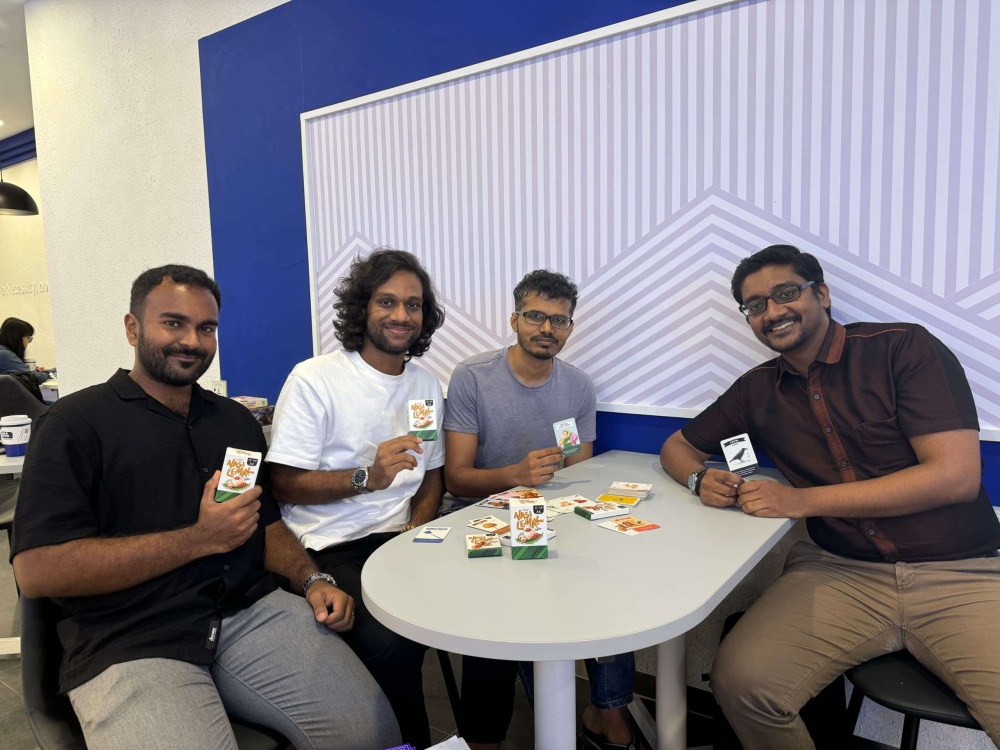 The Faculty of Fun team comprises businessman Logan Ghanesh, lawyer Amarveen Malairaja, photographer Ravin Shanmugarajan, and veterinarian Nyanavelan Sivapalan. — Picture courtesy of Faculty of Fun
 Budhima Tham: Pick Eat, Chinese Flower Card, and Jom Burger
Educator, co-founder, and CEO of Specky Studio, Buddhima Tham, 38, creates games that blend learning with play by drawing inspiration from everyday experiences, cultural traditions, and educational concepts.
His creations transform these ideas into interactive experiences that encourage players to learn while having fun.
One of his creations, Pick Eat, is a card game where players collect and combine food cards to create the healthiest and most balanced meal while learning about nutrition and healthy eating choices.
“Designed during the Covid-19 Movement Control Order (MCO) when raw food supply chains were disrupted.
“Seeing how daily diets were affected inspired me to create a game that raises awareness about nutrition and food balance in an approachable way,” Tham said.
Another creation, Chinese Flower Card, is a cultural card game inspired by the 24 Solar Terms, where players strategically collect flower cards representing different seasons to build the highest-scoring collection.
“Conceived in late 2021 ahead of Chinese New Year 2022.
“I wanted to create a game rooted in Chinese culture and the 24 Solar Terms—ancient wisdom about living in harmony with nature that younger generations often overlook or find difficult to understand,” he shared.
Co-developed with his close friend Teh Chun Hong, Jom Burger is a dice-drafting family board game inspired by Malaysia’s Ramly burger culture, where players select ingredient dice to create burger combinations, scoring points through strategic choices while helping young children sharpen their maths skills and develop basic dietary awareness through play.
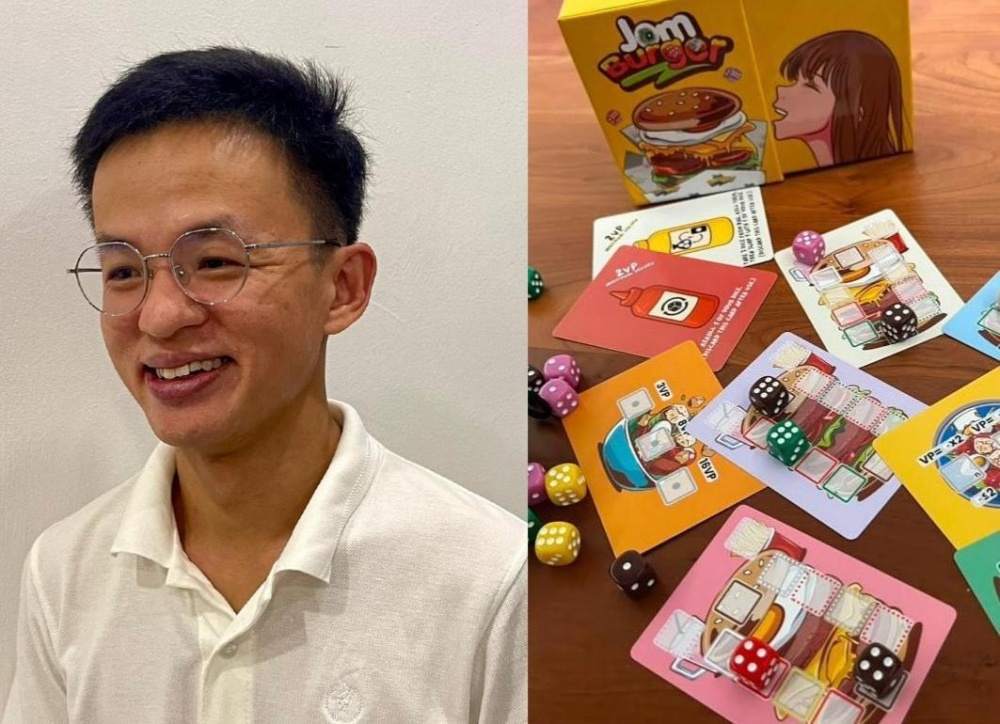 Malaysian Buddhima Tham, 38, of Specky Studio, created Jom Burger, a dice-drafting family board game inspired by Malaysia's Ramly burger culture, where players draft ingredient dice to build burger combinations and earn points. — Picture courtesy of Buddhima Tham
 Tham said his main motivation for creating all his own games is “Gamification in Education”.
“While there are many fantastic commercial games available, we noticed a gap in localised educational games that seamlessly blend learning with fun,” Tham shared.
He believes board games are an effective medium for immersive learning, helping learners develop practical problem-solving skills, critical thinking, and real-world awareness.
This approach is reflected in Specky Studio’s slogan, “From Gamer to Solver”.
Tham added that the response to his games at conventions has been warm and encouraging, attracting a diverse audience ranging from hobby gamers and educators to parents with young children.
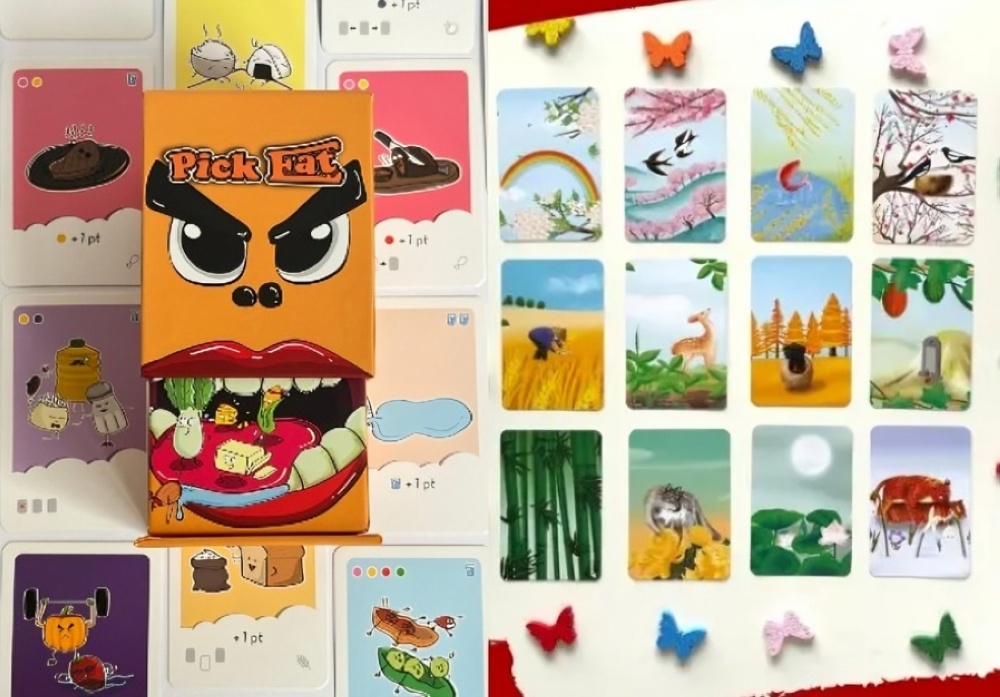 Two games created by Buddhima Tham: Pick Eat and the Chinese Flower Card game. — Picture courtesy of Buddhima Tham
 Munkao on Kala Mandala TTRPG game
Artist and game designer Munkao, 44, shared that Kala Mandala is a tabletop role-playing game (TTRPG) set in a fantasy world inspired by Southeast Asia, offering a different setting from the Western fantasy themes commonly found in many games.
In a TTRPG, a game master (GM) guides players through the story, while players take on characters and make decisions that influence their adventure.
In Kala Mandala, players work together to overcome challenges and complete objectives as they explore the game’s South-east Asian-inspired world.
His motivation for the creation was simple: a combination of the genuine joy he finds in creating and what he jokingly described as “some defect in my brain” that keeps him making things, even when the process can be difficult.
When asked about responses, he stated, “Reception has been pretty positive; many folks are pretty excited about the premise.”
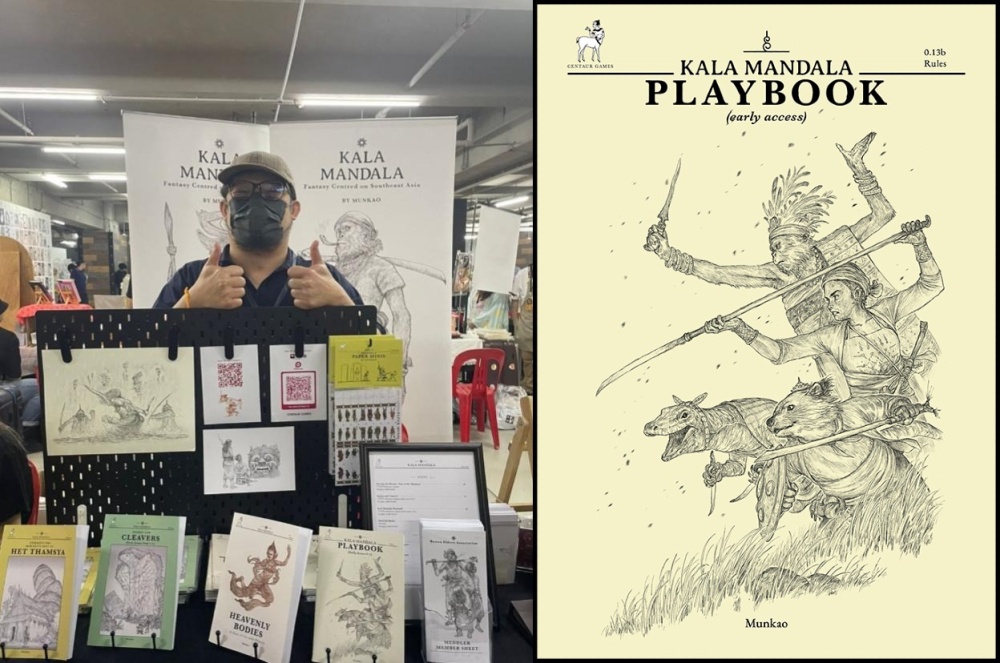 Malaysian Munkao, 44, created Kala Mandala, a tabletop role-playing game (TTRPG) set in a fantasy world inspired by Southeast Asia. — Picture courtesy of Munkao
 Yee I-Van on HR: The Toxic Workplace Game
Ecosystem Manager (Games) at Asia Pacific University, Yee I-Van, 43, drew on his years of management experience to create HR: The Toxic Workplace Game.
Describing the process as a fun challenge, he said the card game is where four players take on the roles of managers in a toxic company, competing to eliminate each other’s departments by issuing Warning Letters to remove rival employees.
“In the game, your employees are based on the general stereotypes you would encounter in an office, such as the Ninja, who disappears whenever work appears, or the Tai Chi Master, who effortlessly avoids responsibility and work,” he shared.
Speaking about his decision to create his own game, Yee said he was inspired after seeing local games successfully launch their projects, which gave him the confidence to develop one himself.
“When I created HR, and the market response was very positive, it further encouraged me to not only publish my own games but also help others publish theirs.
“This led to the idea behind Roll Rebellion, a board game publishing venture,” he said.
“For now, we are focusing mainly on simple games, but we hope to eventually move towards more complex games for Malaysians from all walks of life,” he added.
Yee also shared that HR: The Toxic Workplace Game has performed well at conventions, but the team’s main focus now is expanding its reach through more mainstream channels, including physical stores and online platforms.
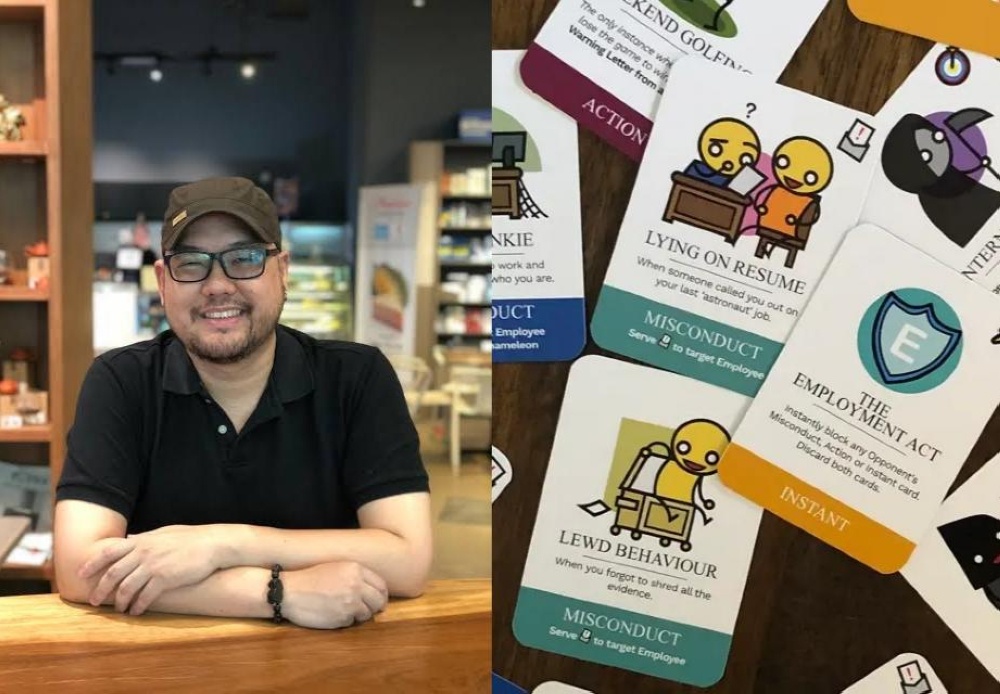 Yee I-Van, 43, drew on his years of management experience to create HR: The Toxic Workplace Game. — Picture courtesy of Yee I-Van
 A growing community of creators
These creators represent only a small part of Malaysia’s expanding tabletop gaming scene.
While digital games continue to dominate the entertainment industry, tabletop games offer something different — a chance for people to gather, communicate and create shared experiences.
Through local events, independent creators and growing communities, Malaysia’s tabletop gaming scene continues to develop.
For these creators, making games is not only about entertainment. It is about sharing ideas, celebrating culture and creating experiences that bring people together.