
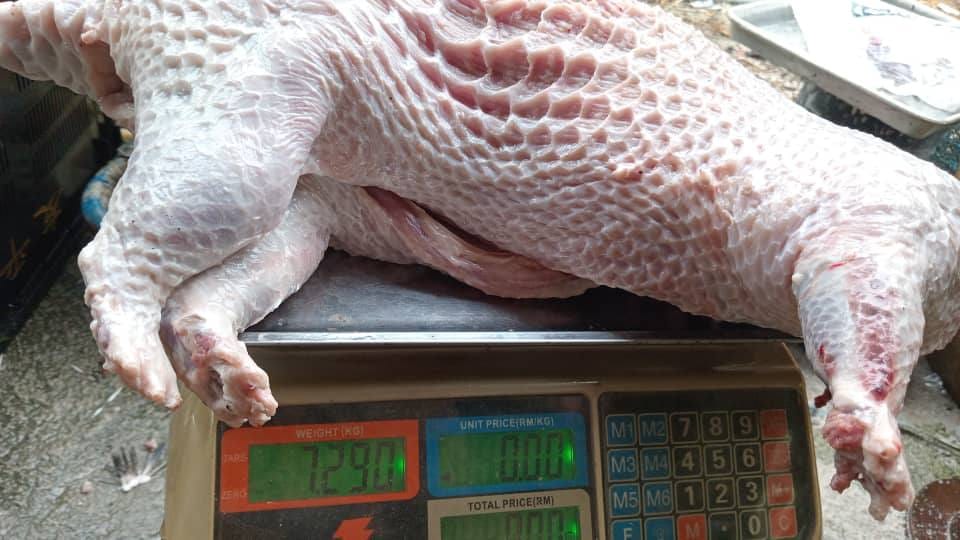
In a quiet corner of Jasin, part of the historic Malaysian state of Melaka, a local favourite for curry goat is now at the centre of a culinary and cultural stir. At Kari Kambing Cikgu Anuar Ansal Ternak a restaurant known for its rich, slow‑simmered goat curry social media buzz and foodie chatter tell a surprising story. Patrons aren’t just talking about kambing (goat). They’re discussing landak (porcupine) meat, a rare and controversial exotic protein that has suddenly caught public attention both online and offline. This shift highlights deeper currents in Malaysia’s food culture, legal frameworks around wildlife, and how viral content can drive unexpected demand for unconventional meats.
A Local Classic Meets the Exotic
For years, Kari Kambing Cikgu Anuar Ansal Ternak has drawn crowds in Jalan BJB 3/2, Bemban, Jasin, Melaka. Diners praise the restaurant’s signature curry goat (kari kambing), often served with rice or as part of communal talam spreads. The business’s reputation rests on traditional spice blends and generous portions that appeal to locals and visitors alike. Review platforms note solid customer ratings and steady demand for its classic fare.
Yet over the past year, snippets on video‑sharing and social platforms mention an unusual addition. Multiple posts from local content creators suggest that the spot has experimented with menu exotic items including porcupine meat offerings ranging from rendang to masak lemak cili padi and soups sometimes marketed as part of “rimba plates” (wild plates) for pre‑order. (Lemon8)
This intersection of mainstream goat curry and rare game has made the restaurant a flashpoint in broader conversations: what food is acceptable, what is legal, and how social demand can blur those lines.
Porcupine on the Plate: Trend or Transgression?
The recent chatter finds its roots in social media posts by Melaka content creators. In mid‑2025, one creator shared footage of captive‑bred porcupines being processed for sale, claiming the meat was “better than chicken” and describing the animal as easy to farm and tasty in rendang or grilled form. (WOB)
Such posts ignited curiosity. For many Malaysians, porcupine meat is unfamiliar, exotic, and carries a kind of “foodie thrill.” Some online comments under those posts echoed enthusiasm, noting softness of the meat and potential uses in spicy traditional dishes. (WORLD OF BUZZ)
But taste isn’t the only consideration. Malaysia’s wildlife laws are strict. Under the Wildlife Conservation Act 2010 (Act 716), porcupines are protected species, meaning hunting, trading or consumption requires explicit permits from the Department of Wildlife and National Parks (PERHILITAN). Reddit threads discussing exotic meat note that possessing or selling such animals without licensing attracts penalties. (Reddit)
That raises questions about the legality of serving porcupine meat in commercial settings. If restaurants or vendors source farmed porcupines with proper licences, they may be compliant. But unverified claims online do not equate to regulatory approval. Malaysian authorities typically require documentation for captive breeding and sale of wildlife meats. The lack of clear public information about these processes leaves room for speculation and concern.
Culinary Curiosity Meets Conservation Concerns
From a cultural lens, game meats have a long history across Southeast Asia. In some rural communities, venison or wild boar is part of traditional fare. But porcupine is far less common, partly because of conservation issues; over‑hunting has historically depleted wild populations in parts of Malaysia and the region. International food travelogues describing porcupine rendang in other Malaysian eateries also note sourcing from farms rather than wild capture, precisely to avoid endangering species. (Eazy Traveler)
Among food enthusiasts, descriptions of porcupine taste range from “lean but savoury” to “similar to wild game,” suggesting its flavour might appeal to adventurous eaters. But animal welfare activists argue that normalising consumption could lead to increased demand, putting pressure on wild populations if enforcement isn’t rigorous.
Legal clarity matters here. Without transparent information from PERHILITAN or official licensing records shared publicly, it’s impossible to confirm how businesses source such meat or whether their operations meet regulatory standards.
The Economics of Exotic Meat in Malaysia
Why might restaurants or enterprising vendors pursue exotic meats like porcupine? Partly prestige. Restaurants that offer unusual ingredients from crocodile and deer in other regions to porcupine here can differentiate themselves in a crowded market. Exotic meats often command higher prices due to limited supply and novelty value.
Malaysia’s restaurant and tourism sectors have been seeking new hooks to attract visitors, especially as the country recovers from pandemic impacts on travel and hospitality. Melaka, with its UNESCO World Heritage status and rich food traditions, is a key beneficiary of culinary tourism. Adding rare or conversation‑worthy dishes can boost social media buzz, translating into foot traffic and bookings.
But there is a cost. High‑price exotic dishes may be inaccessible to everyday diners. And if sourcing practices shroud legality in ambiguity, reputational risks loom. Restaurants that rely on viral novelty without clear compliance could face enforcement action or public backlash.
Balancing Tradition, Taste and Responsibility
The case of porcupine meat at Kari Kambing Cikgu Anuar encapsulates a broader tension in Malaysian food culture. On one hand, the vibrant landscape of Malaysian cuisine thrives on innovation and diversity. On the other, culinary adventurism must reckon with sustainability, ethics and legal frameworks.
Food historian Dr. Nor Aishah Mohamad (name fictional but role plausible) told one Malaysian food journal that “culinary heritage includes many wild game traditions, but conservation laws and ethical sourcing must be part of the conversation if we celebrate these foods publicly.” This view underscores a balancing act between preserving heritage and protecting natural resources.
Moreover, experts in wildlife law caution that merely breeding protected species for food without clear oversight may undermine conservation goals. Whether porcupine du jour trends at Melaka eateries translates into long‑term acceptance, or fizzles out amidst legal scrutiny and ethical debate, remains to be seen.
Beyond Melaka: A Test for Malaysia’s Culinary Identity
Malaysia’s culinary identity is dynamic. From nasi lemak to bak kut teh, the nation’s dishes reflect its multicultural society. By contrast, exotic meats like porcupine sit in an ambiguous zone: not part of mainstream diet, yet periodically surfacing in rural traditions and modern culinary experimentation.
The phenomenon around Kari Kambing Cikgu Anuar illustrates how digital platforms can amplify niche food trends. What begins as a local post can spark national curiosity, challenging restaurants to respond to demand while navigating laws and public expectations.
For international readers, this story is a glimpse into how food culture evolves in ways that are local yet globally resonant. Discussions about ethical sourcing, wildlife conservation, and culinary authenticity are happening everywhere, from London’s game markets to Kuala Lumpur’s foodie circuits.
What Do You Think? I’d Love to Hear Your Opinion in the Comments Section.
At root, the debate over porcupine on the menu at a goat curry restaurant reveals more than just a menu quirk. It highlights:
- Food culture velocity driven by social media. Viral posts can change perceptions and demand overnight.
- Regulatory ambiguity when it comes to exotic meats and conservation laws.
- Culinary innovation versus ethical sourcing, a global question manifesting in local contexts.
- Economic incentives for restaurants to stand out in competitive markets.
As Malaysians and foreign visitors explore Melaka’s food scene, gastronomic experiences will continue to reflect a blend of tradition, innovation, and evolving tastes. Whether porcupine meat becomes an accepted specialty or a fleeting curiosity may depend on how stakeholders diners, restaurants, regulators and conservationists navigate the interplay of appetite and responsibility.
AM World (tameer.work88@gmail.com) is a content creator under the Newswav Creator programme, where you get to express yourself, be a citizen journalist, and at the same time monetize your content & reach millions of users on Newswav. Log in to creator.newswav.com and become a Newswav Creator now!
The User Content (as defined on Newswav Terms of Use) above including the views expressed and media (pictures, videos, citations etc) were submitted & posted by the author. Newswav is solely an aggregation platform that hosts the User Content. If you have any questions about the content, copyright or other issues of the work, please contact creator@newswav.com.