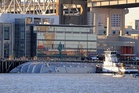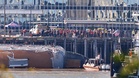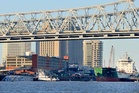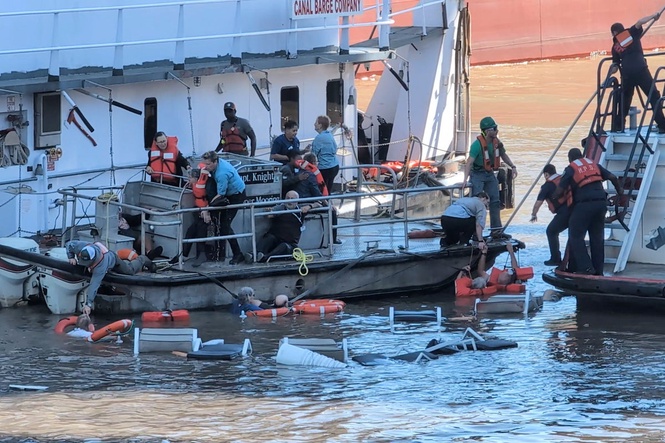
A nearly 500-foot tanker collided with a paddlewheel riverboat carrying more than 100 tourists and crew members along the Mississippi River in New Orleans, sending dozens into the water and sparking massive rescue efforts - ending with no loss of life.
In what New Orleans Mayor Helena Moreno called a “miracle on the Mississippi,” all passengers and crew members on the American Cruise Lines American Heritage vessel have been accounted for. At least 32 people were hospitalized among the 180 to 190 passengers and crew members who were on the riverboat at the time. No deaths or critical injuries were reported.
It remains unclear what caused the tanker to “lose control,” Moreno said.
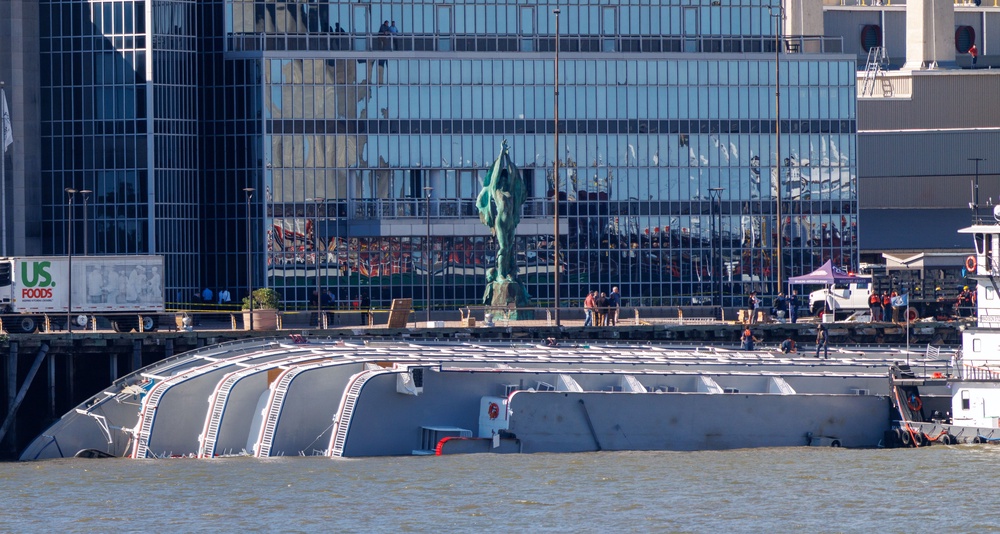
“The passengers began disembarking, but while that was happening, the cruise ship began to sink and then eventually the cruise ship toppled over and flipped,” the mayor said during a press conference Friday afternoon.
“When that occurred, we started to have people in the water,” Moreno added. “It was an all hands on deck approach.”
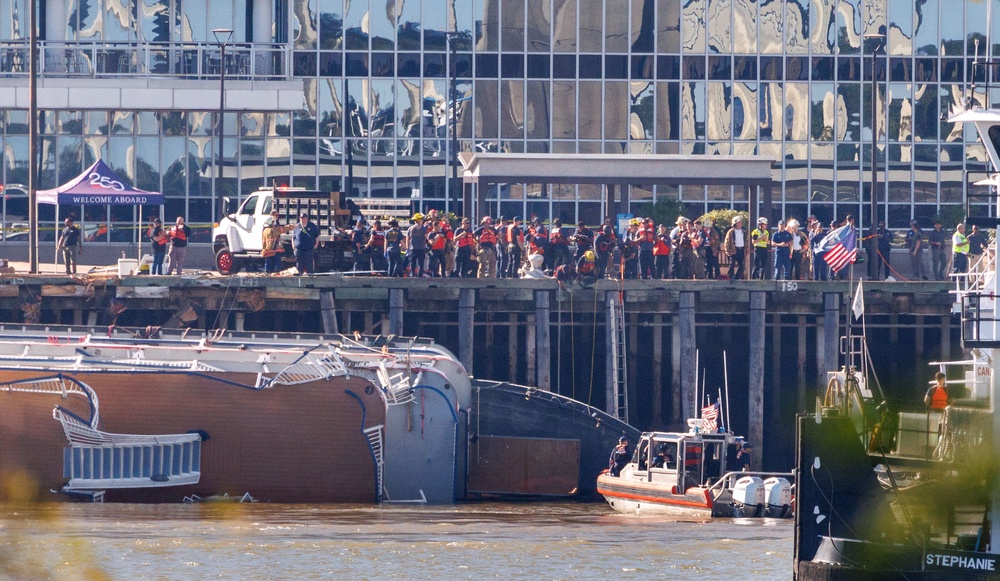
The crash unfolded along a heavily trafficked stretch of the riverfront just outside the French Quarter, near the Ernest N. Morial Convention Center between the Central Business District and Warehouse District.
American Cruise Lines’ paddlewheelers are a familiar fixture along the riverwalk, which is surrounded by hotels, restaurants, a shopping mall, a riverfront park and the Audubon Aquarium.
At roughly 12:30 p.m. local time, in a stretch of the river under the Crescent City Connection bridge, the riverboat was preparing to disembark passengers when the tanker careened toward the docked vessel.
Video footage from the scene shows the tanker moving perpendicular to the riverboat before making contact, creating a massive crash that echoed along the riverwalk.
Evacuations began when the boat started to sink with passengers still aboard.
“Unfortunately, we were not able to get everyone off before the boat started to take on water, and, eventually, it would capsize,” Harbor Police Chief Melanie Montroll told reporters Friday afternoon.
Passengers clung to the rails and screamed as the boat tilted toward the tanker, then flipped upside down and sank into the water. Videos also show people bobbing in the water wearing orange inflatable rings while passersby try to toss ropes into the river to pull them up.
In that corridor, the Mississippi River reaches depths of up to 200 feet and is notorious for powerful currents and whirlpools that can quickly pull swimmers under—a hazard so severe that signage along unprotected stretches of the shoreline warns pedestrians never to wade into the water.
Emergency crews began pulling people out of the water by 2:10 p.m. local time. Passengers were brought into the Port of New Orleans Administration Building to receive shelter and assistance, port officials said. Louisiana Lt. Gov. Billy Nungesser told WWL-TV that initial estimates indicated 85 people had been rescued and treated alongside the dock.
In a statement to The Independent on Friday evening, LCMC Health confirmed that University Medical Center New Orleans and other network hospitals had “received an estimated two dozen patients following the reported maritime incident.”
“Our medical teams are currently evaluating patients and providing appropriate care while coordinating with emergency responders,” a spokesperson added. “As this remains an active situation, we will provide additional information as appropriate.”
New Orleans officials also confirmed that a riverboat pilot from the New Orleans-Baton Rouge Steamship Pilots Association was aboard the tanker at the time of the crash.
Specialized pilots routinely board foreign-flagged vessels to help navigate the treacherous stretch of the Mississippi River from the Gulf of Mexico into Louisiana.
Investigators are expected to interview the pilot to determine what went wrong and why the vessel “lost control,” as the mayor described the incident.
U.S. Coast Guard Captain Melanie Burnham told reporters that the tanker may have lost control of its steering, but the cause of the collision is still under investigation.
Louisiana Rep. Troy Carter told New Orleans news outlet WDSU-TV that a national airlines ground stop delayed a forensic team from the federal National Transportation Safety Board from reaching the scene.
The Atlantic Asphalt tanker, at roughly 520 feet, typically carries asphalt and bitumen, which is often used in road and roof construction. Ships carrying those materials are typically heated above 250 degrees Fahrenheit to prevent asphalt from solidifying, though it’s unclear whether the tanker was carrying anything at the time of the crash.
The crash could mark the most serious maritime accident along that stretch of the Mississippi River since 1996, when a cargo ship collided with the Riverwalk Marketplace shopping mall, injuring 66 people.
Louisiana Governor Jeff Landry said officials are working to connect riverboat passengers with their families to get them home; many onboard were not from the New Orleans area.
“As long as they want to stay in New Orleans, and as difficult as it may be getting home, we want to make them very comfortable,” Landry said Friday. “It may take us a couple of days to get them back home.”
Read MoreThe US flu season is off to a very early start. It's targeting the South and West now
Family Dollar to pay $63 million to settle allegations that it routinely overcharged customers
Watch Live: Rescue underway after tanker collides with cruise ship
Woman arrested on outstanding warrants moments after unexpectedly giving birth
It’s like Trump’s first term again with knives out over Nvidia scandal
US gives states another 6 months before they have to remove people from Medicaid for not working