
KUALA LUMPUR, April 21 - The National Economic Action Council (MTEN) today approved three proposals covering logistics facilitation, risk mitigation and market expansion to ensure supply chains and the continuity of domestic industries are not severely disrupted amid the global supply crisis.
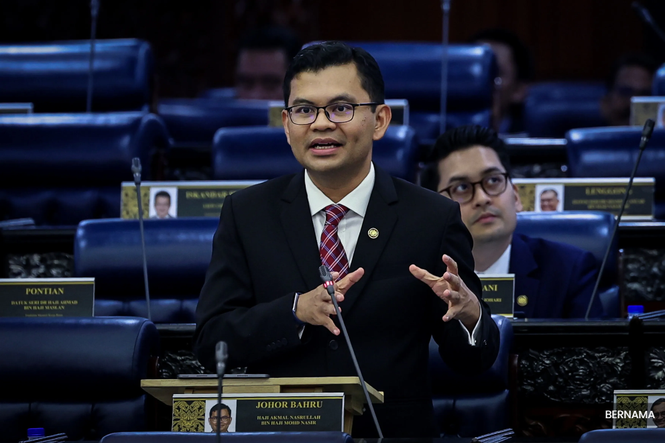
Economy Minister Akmal Nasrullah Mohd Nasir said these are among several strategic mitigation measures put forward by the MTEN Crisis Management Task Force, the Investment, Trade and Industry Ministry (MITI), and the Tourism, Arts and Culture Ministry (MOTAC).
He said the government is assessing local supplies that can be used by affected industries, while strengthening bilateral negotiations based on national strategic needs and complementary trade principles.
“For the manufacturing sector, there have been complaints regarding shortages of key input materials that could disrupt value chains.
“Among the main challenges identified are difficulties in securing alternative supplies in the short term, as well as risks of restrictions or constraints from exporting countries,” he said during a daily briefing on the global supply crisis.
Akmal said a partnership with Australia is focused on ensuring continuity of energy and agricultural inputs, including Malaysia’s need for phosphate for fertiliser production and Australia’s demand for urea from Malaysia, alongside a shared commitment to maintaining stable energy supply flows.
“With China, the focus is on strategic measures to increase the supply of resin and naphtha to support the domestic production of critical medical devices,” he said.
Akmal explained that the approach would help secure supply sources, reduce risks of global supply chain disruptions and strengthen the country’s food, energy and healthcare security.
“The government’s action framework now focuses on three key priorities, namely, ensuring and extending supply, as well as containing price hikes.
“This approach is crucial as the crisis we face today is not just about prices, but about ensuring the country has sufficient supply, flexibility to adjust, and the capacity to protect the public while maintaining uninterrupted access to essential goods until alternative supplies are strengthened,” Akmal said.