
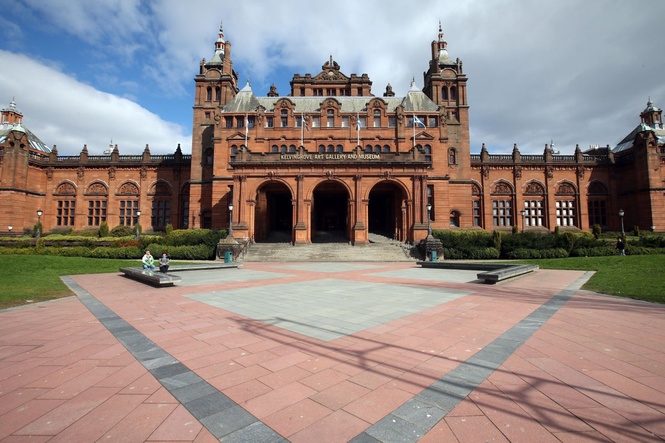
A request has been received asking for the remains of an Egyptian priest held by a Glasgow museum to be sent back to Egypt.
The approach was made in the last few days, according to the museum operator, which could not say who had made it.
The remains in question belong to Nekht, a priest whose body was displayed inside a painted coffin at Kelvingrove Museum.
They are among the Egyptian human remains that have been taken off show at the Glasgow venue amid ethical concerns.
No human remains are now visible in the museum's Egyptian section, because it is “more respectful to the deceased individuals” in the absence of consent, Glasgow Life said.
A spokesperson for Glasgow Life said: “We intend to continue to remove human remains from display, as care and conservation for specific items and the whole collection allows. This is likely to take some time.
“A specific storage, with restricted access, was built to house human remains and other sensitive objects, in the second phase of Glasgow Museums Resource Centre and that is where these remains will eventually be held.”
Other items withdrawn from public view include a mummified male head, a mummified right foot and a mummified right hand, all recovered from Valley of the Kings, Luxor.
At Kelvingrove, work is already under way to take archaeological human remains out of the History Discovery Centre and the Scotland's Early People gallery.
Once that task is finished, Glasgow Life said, attention will turn to a coffin and mummified human remains currently displayed at St Mungo Museum in the city centre.
Last week the operator said the removal of human remains from display at Glasgow Life museums reflected contemporary museum practice.
It pointed to the International Council of Museums' revised code of ethics, published in June 2026, which says that “museums should uphold the inherent dignity of human remains and promote respect for their significance”.
A Glasgow Life spokesperson said: “The All-Party Parliamentary Group on Afrikan Reparations 2025 report, Laying Ancestors To Rest, also raises ethical concerns about the display of ancient Egyptian human remains due to the consistent disregard of the potential wishes of the ancestors and the intention of the communities that originally laid them to rest.
“Glasgow Life Museums' draft human remains policy proposes that human remains should only be displayed where there is documented and informed consent from the deceased individual or, in appropriate circumstances, their descendants.
“In the absence of such consent, we believe removing ancient Egyptian human remains from display is more respectful to the deceased individuals.”
The policy would allow remains to be shown only with the consent the draft document describes.
Read MoreSerbia marks the second anniversary of a train station tragedy that fueled student protests
From Italy to Croatia, a warming climate threatens prized white truffles
Demonstration supporting Palestine Action takes place in Edinburgh
