
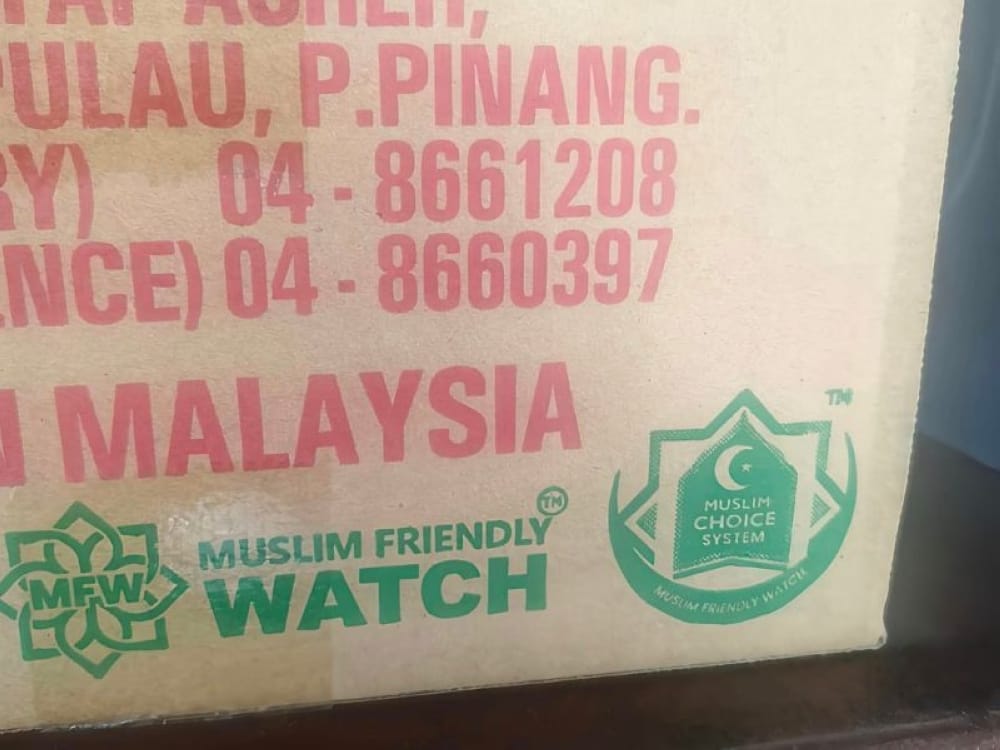
A bewildering controversy erupted across Malaysia’s Muslim consumer landscape. An organisation known as Muslim Friendly Watch (MFW) introduced a label called “Muslim Choice,” promoting it as a sign that products or businesses met Muslim-friendly standards. Many Muslims began to treat this label as synonymous with halal compliance. But authorities declared otherwise triggering public confusion, NGO apologies, and broader debate over what halal trust means in a modern economy. The result: a clash between grassroots marketing and official certification systems that left consumers uncertain and critics warning of deeper market damage. (NST Online)
What Is “Muslim Choice”? The Origins of a Misleading Label
Muslim Friendly Watch (MFW) launched Muslim Choice as part of an internal rating system. According to MFW, this label was a way to highlight products or services that met certain cleanliness, safety, and Islamic principles based criteria. The organisation claimed it aimed to serve Muslim consumers by helping them choose reputable businesses. (TRP)
However, from the outset there was no clear regulatory framework around that label. No recognised halal authority issued it. No statutory standards governed its use. This ambiguity set the stage for confusion. Consumers started seeing “Muslim Choice” stickers on menus and packaging. Many assumed those products were officially halal, equivalent to the government-certified halal mark. (Malay Mail)
When a Label Becomes a Problem: JAKIM’s Hardline Response
The Department of Islamic Development Malaysia (Jakim) issued a formal statement. It warned that Muslim Choice was not a halal certificate recognised by the government. Only halal certificates issued by Jakim and the state Islamic religious councils (MAIN and JAIN) are valid under the Trade Descriptions (Certification and Marking of Halal) Order 2011. (Islamic Affairs Ministry of Malaysia)
Jakim’s director-general, Datuk Dr Sirajuddin Suhaimee, underscored the risks of misinterpretation. The use of any logo, term, or symbol implying halal status without recognition by Jakim or state authorities is unlawful and can mislead Muslim consumers. (NST Online)
Confusion Spreads: Why Muslim Consumers Were Misled
The public misunderstanding around Muslim Choice stemmed from multiple factors:
• The Muslim market in Malaysia is massive. Halal certification deeply influences consumer behaviour and purchasing decisions.
• Labels that include words like “Muslim” or “Islamic” carry strong implied authority, even without legal backing.
• Social media posts and business promotions amplified the label without clarifying its unofficial status.
• Some business owners equated “Muslim Choice” with official halal status to attract Muslim customers, blurring lines between marketing and religious compliance. (The Vibes)
Consumer reactions ranged from relief at what looked like more halal choices to outrage when the government contradicted those perceptions. Online conversations showed frustration with businesses using religious terms without expertise. Some accused MFW of exploiting religious trust for marketing advantage. (Reddit)
The Breakdown: MFW’s Response and Closure
Facing mounting scrutiny, MFW publicly apologised for the confusion surrounding Muslim Choice. It stated that the label was never intended to function as an official halal certification. The group said the term had been part of internal data management and that they suspended its use while reviewing governance. (TRP)
Shortly after, in a significant development, MFW announced its dissolution under the Societies Act 1966. The NGO attributed this move to the controversy and its desire to respect the sensitivities of the Muslim community and adhere to legal guidelines. (Malay Mail)
Expert Analysis: Enforcement Gaps and Market Risks
Malaysia’s halal certification system has long been viewed as one of the world’s most comprehensive. The official halal mark helps domestic companies access export markets worth hundreds of billions annually. But experts now say cases like Muslim Choice highlight structural weaknesses.
Prof. Madya Dr. Salwani Arbak, a specialist in halal logistics and business, noted that the absence of strong enforcement against the use of unregulated terminology allowed the label to proliferate. She warned that such loopholes risk undermining the integrity of Malaysia’s halal ecosystem and could erode consumer trust if left unchecked. (Merdeka Times)
A key concern for specialists is the potential exploitation of religious trust by uncredentialed organisations. Without clear rules on what language or symbols can be used, uncertified labels might reappear in other forms, posing ongoing confusion for consumers and creating reputational risk for the halal brand. Experts argue that more stringent educational outreach and enforcement are needed to protect both consumers and the halal economy.
Broader Implications: Halal Trust and Consumer Behavior
The Muslim Choice incident has rippled beyond Malaysia’s borders because the country is a global leader in halal certification. Many international producers and retailers look to Malaysian halal standards as a benchmark for Muslim-majority markets worldwide. When trust in these standards is questioned, even by unofficial labels, repercussions can follow.
For entrepreneurs: The controversy highlights the importance of understanding legal certification processes before marketing products to Muslims. Misusing terms like “halal,” “Muslim-friendly,” or similar can lead to legal action, loss of customer trust, and reputational harm.
For consumers: The episode reinforces the need for media literacy and understanding what official halal logos represent. Muslim consumers seeking halal assurances are urged to check for recognised halal certificates and verify them through official channels. (Islamic Affairs Ministry of Malaysia)
For regulators: The crisis has renewed calls for clearer regulations governing the use of religious terminology in marketing. Without such guardrails, any organisation could introduce attractive but unofficial seals that confuse consumers and dilute market standards.
What Do You Think? I’d Love to Hear Your Opinion in the Comments Section
The Muslim Choice affair is more than a local marketing flashpoint. It reveals how easily religious trust can be leveraged and misinterpreted in the absence of clear regulation and public awareness. For Malaysia, it underlines the ongoing challenge of balancing consumer protection, business innovation, and religious integrity in a complex market. Muslim consumers need reliable, official certification to make informed decisions. Businesses must comply with legal frameworks if they wish to serve that market responsibly. And authorities must continue to educate and enforce standards to preserve trust in halal certification.
AM World (tameer.work88@gmail.com) is a content creator under the Newswav Creator programme, where you get to express yourself, be a citizen journalist, and at the same time monetize your content & reach millions of users on Newswav. Log in to creator.newswav.com and become a Newswav Creator now!
The User Content (as defined on Newswav Terms of Use) above including the views expressed and media (pictures, videos, citations etc) were submitted & posted by the author. Newswav is solely an aggregation platform that hosts the User Content. If you have any questions about the content, copyright or other issues of the work, please contact creator@newswav.com.