
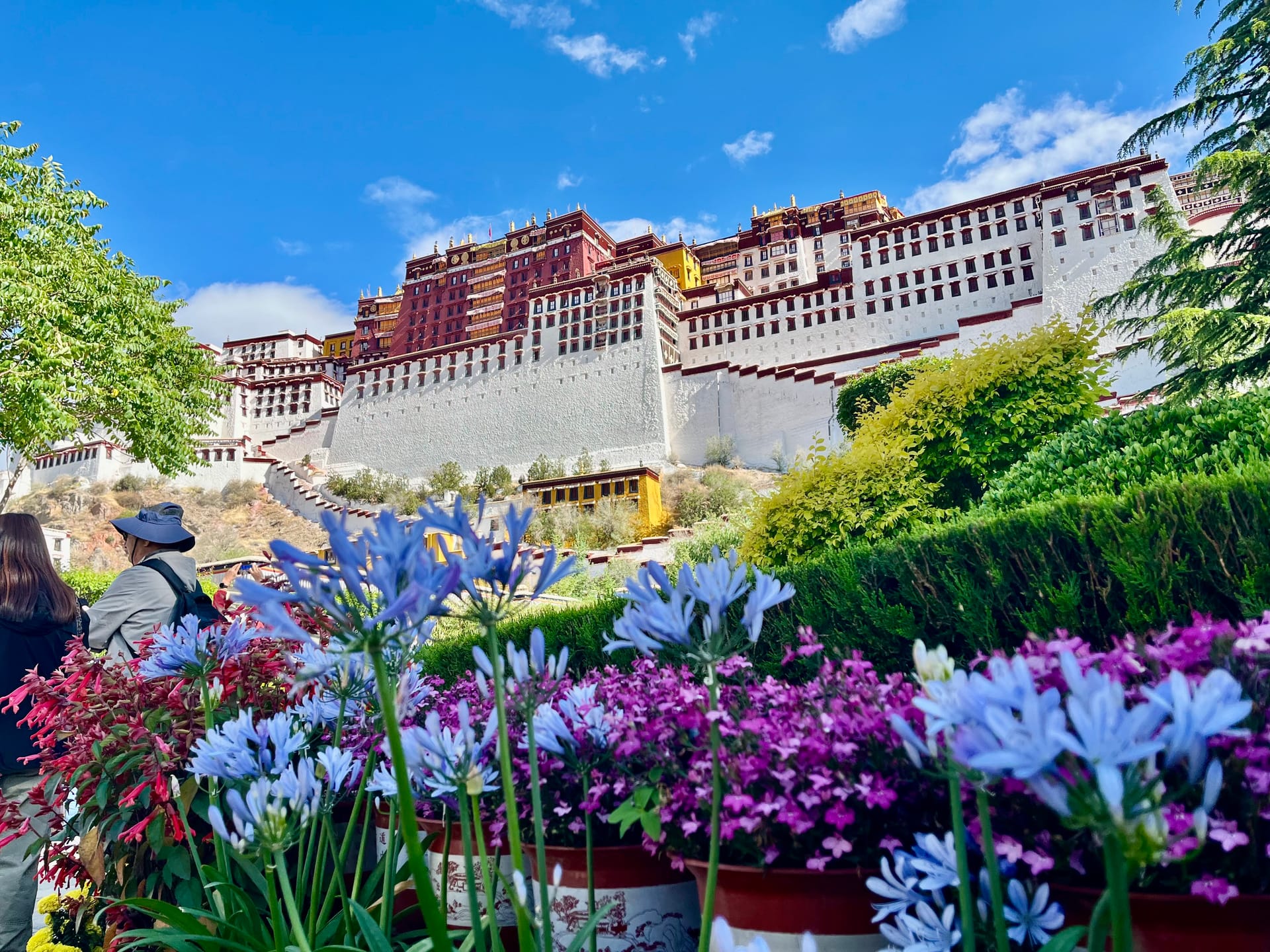
I made it to the top of Potala Palace, despite a slipped vertebra, nerve pain, and a history of altitude sickness. It was tough but absolutely possible. Here's what actually worked for me.
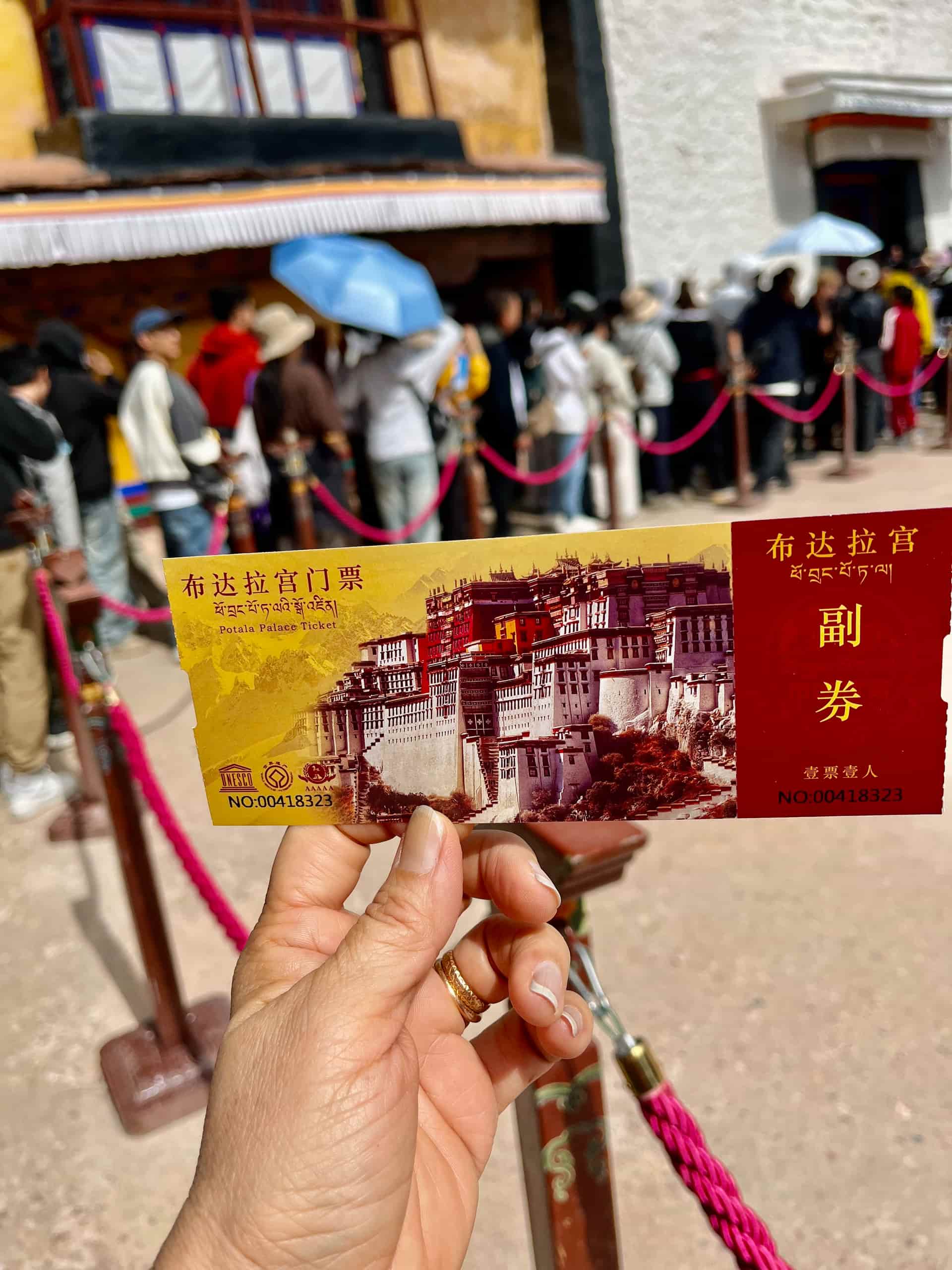
Beating Altitude Sickness
Start altitude pills BEFORE you fly. I took acetazolamide (125mg twice daily) starting the day before departure, increasing to 250mg in the morning and 125mg at night at higher elevations. This was a game-changer, though I did experience tingling fingers and half a day of heaviness.
Carry a portable oxygen canister everywhere. On our steep climb up Potala Palace, I used mine whenever breathless, no shame in that!
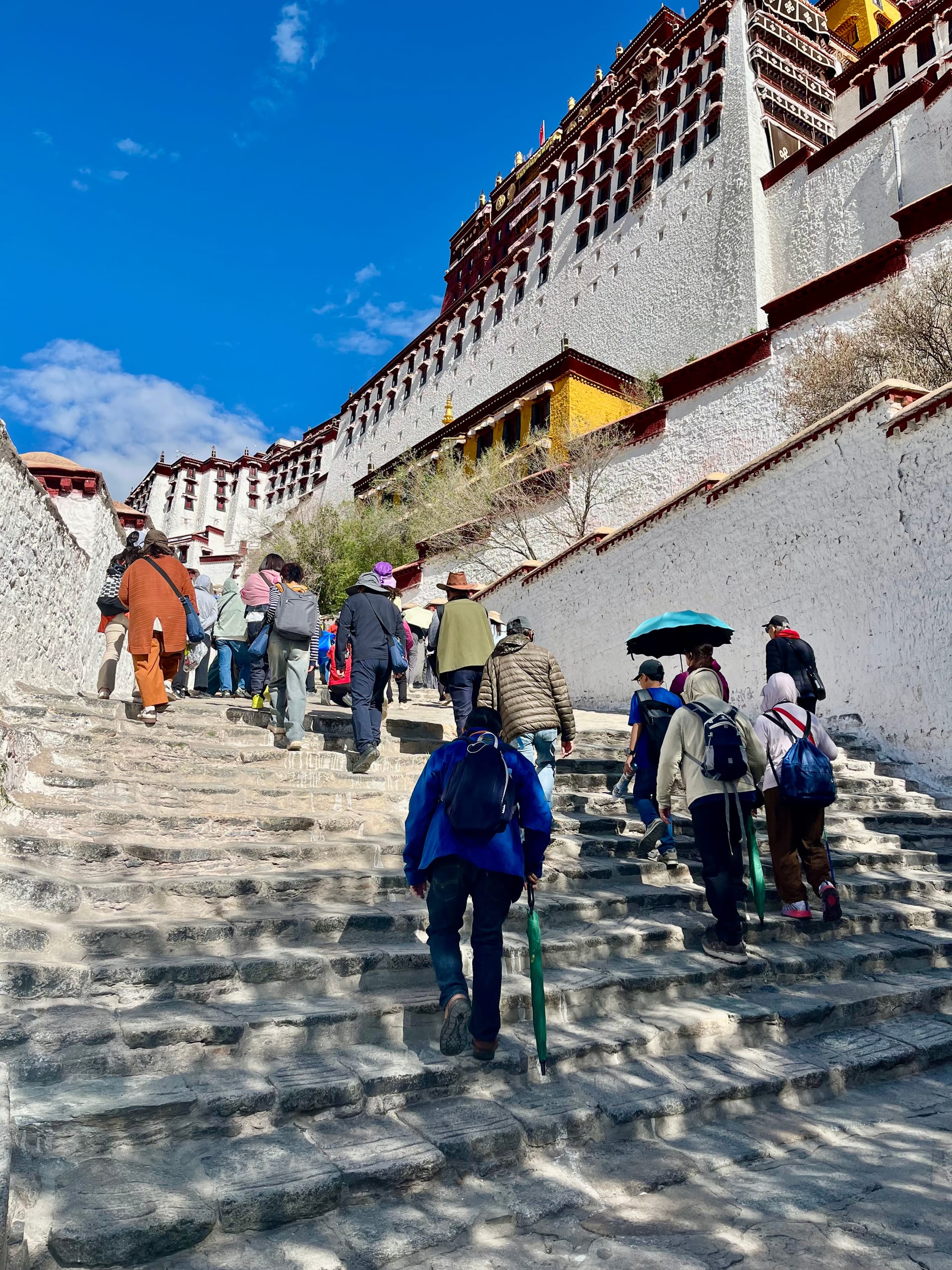
Move at YOUR pace, not the group's. Rest whenever you're out of breath. Slow and steady wins the summit. Rest on every landing. Stay hydrated. Drink warm water slowly.
Energy and Nutrition
Your body burns more calories at high altitude. Guides offer sweets for good reason, sugar gives rapid energy. Dark chocolate became my go-to for quick energy boosts.
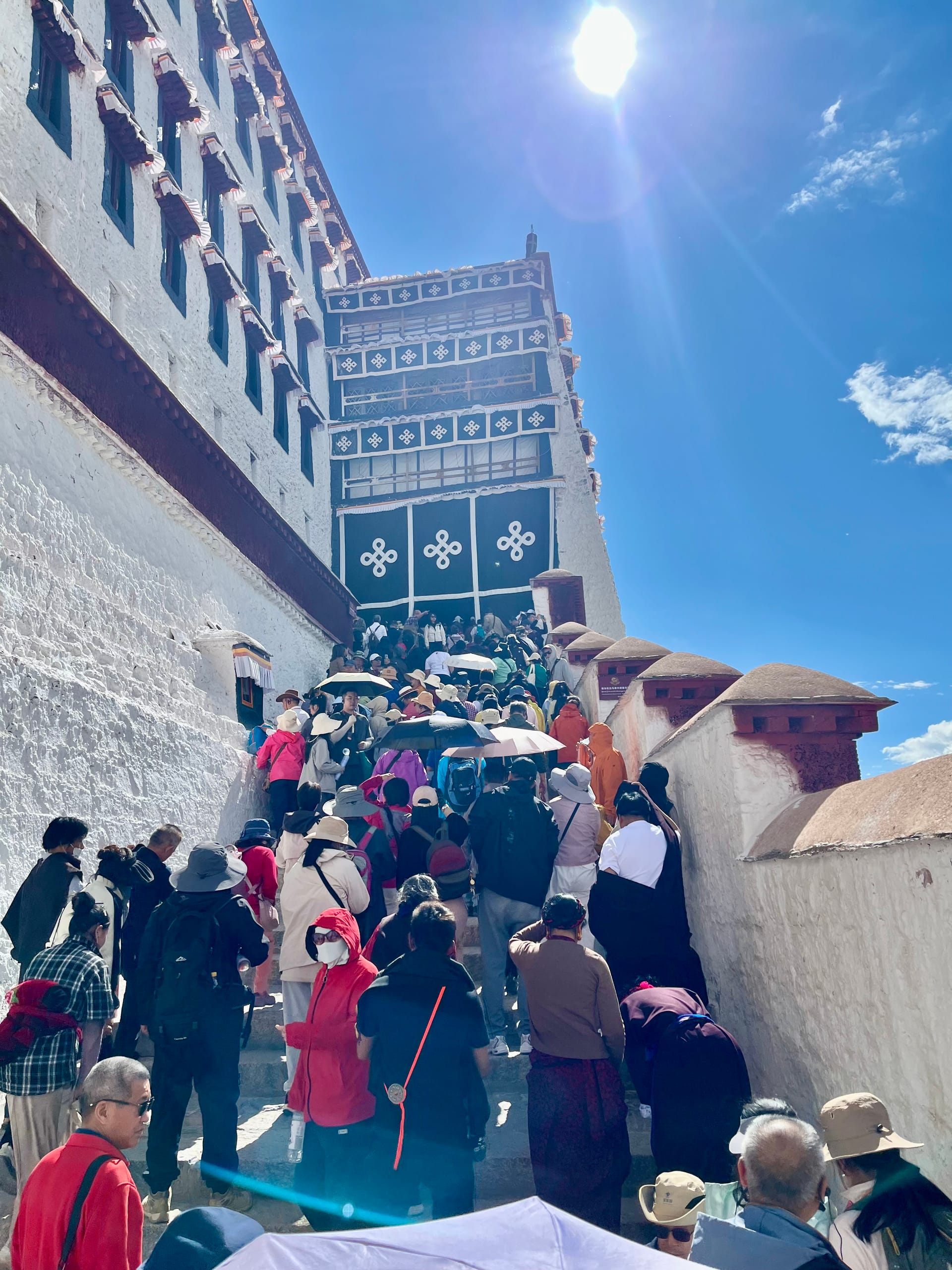
The No-Shower Rule
Don't shower or wash hair on arrival day. Hot water opens skin blood vessels, lowering blood pressure and reducing blood flow to your brain exactly when it needs oxygen most. You'll also lose body heat quickly, forcing your body to work harder. Wait a full day until you feel stable.
Essential Gear
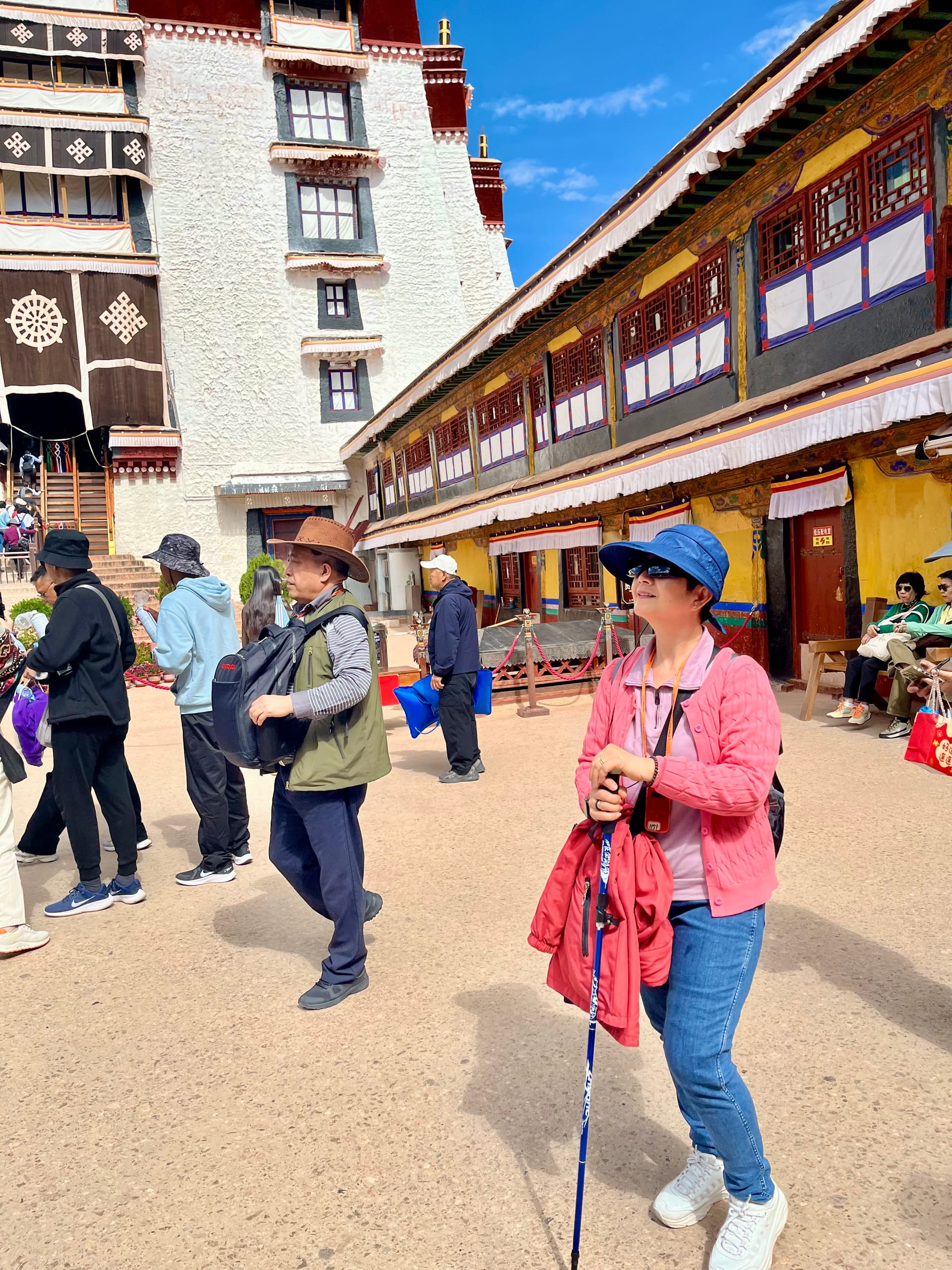
· Hiking stick and knee guard if needed
· Small oxygen canister
· Fingertip oximeter (more accurate than watches—use oxygen if SpO2 drops below 80%)
· Broad-brimmed hat and mineral sunscreen (UV index often 11+)
· Comfortable, non-slip shoes
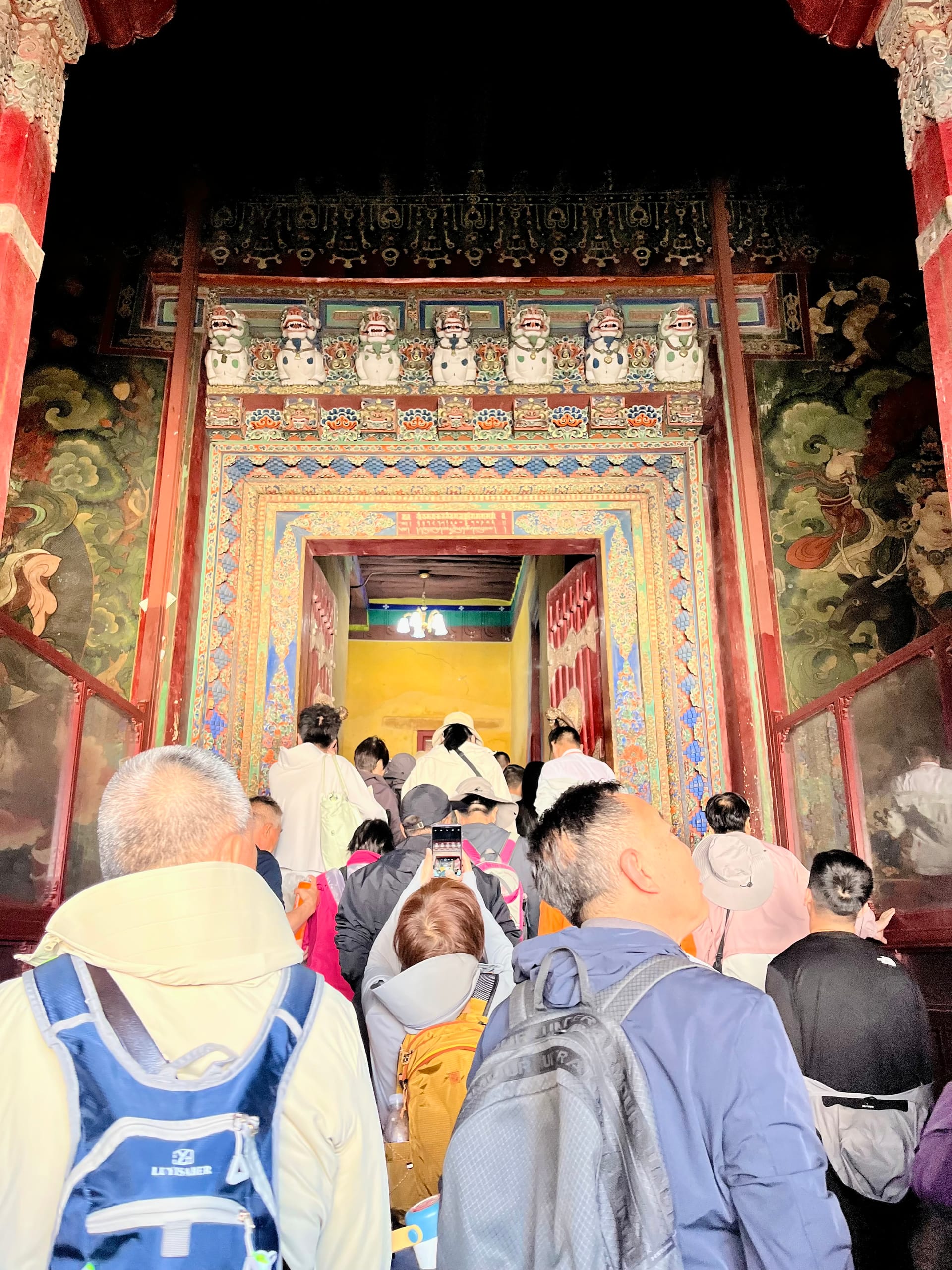
The primary concern other than height is the sun's intensity. The UV index is extremely high (often 11+), so a broad-brimmed hat and mineral sunscreen (zinc oxide/titanium dioxide) for your face are far more essential.
Warning Signs
Inform your guide immediately if you experience severe headache, difficulty breathing at rest, persistent nausea/vomiting, or excessive drowsiness.
Two Amazing Potala Palace Facts
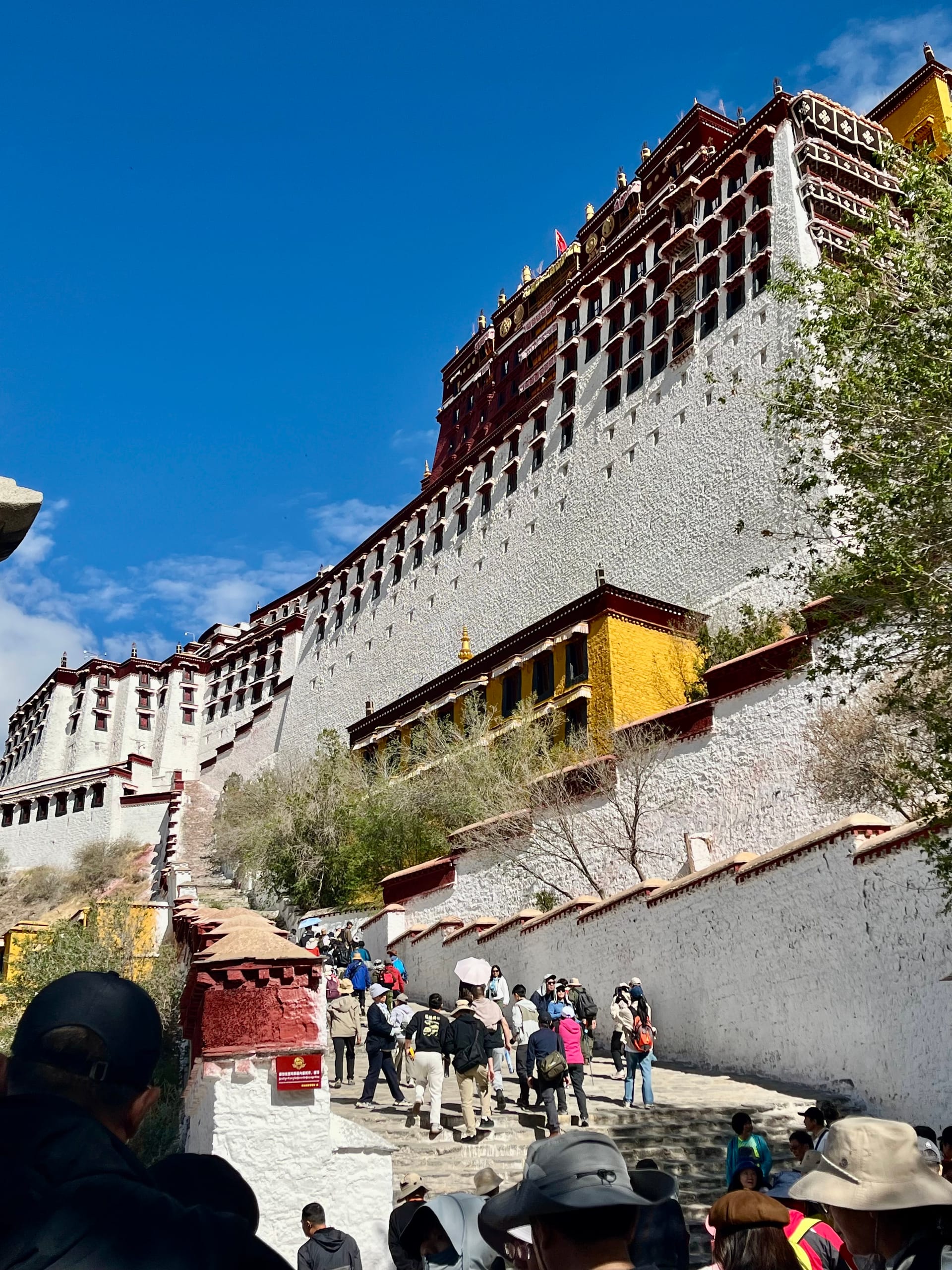
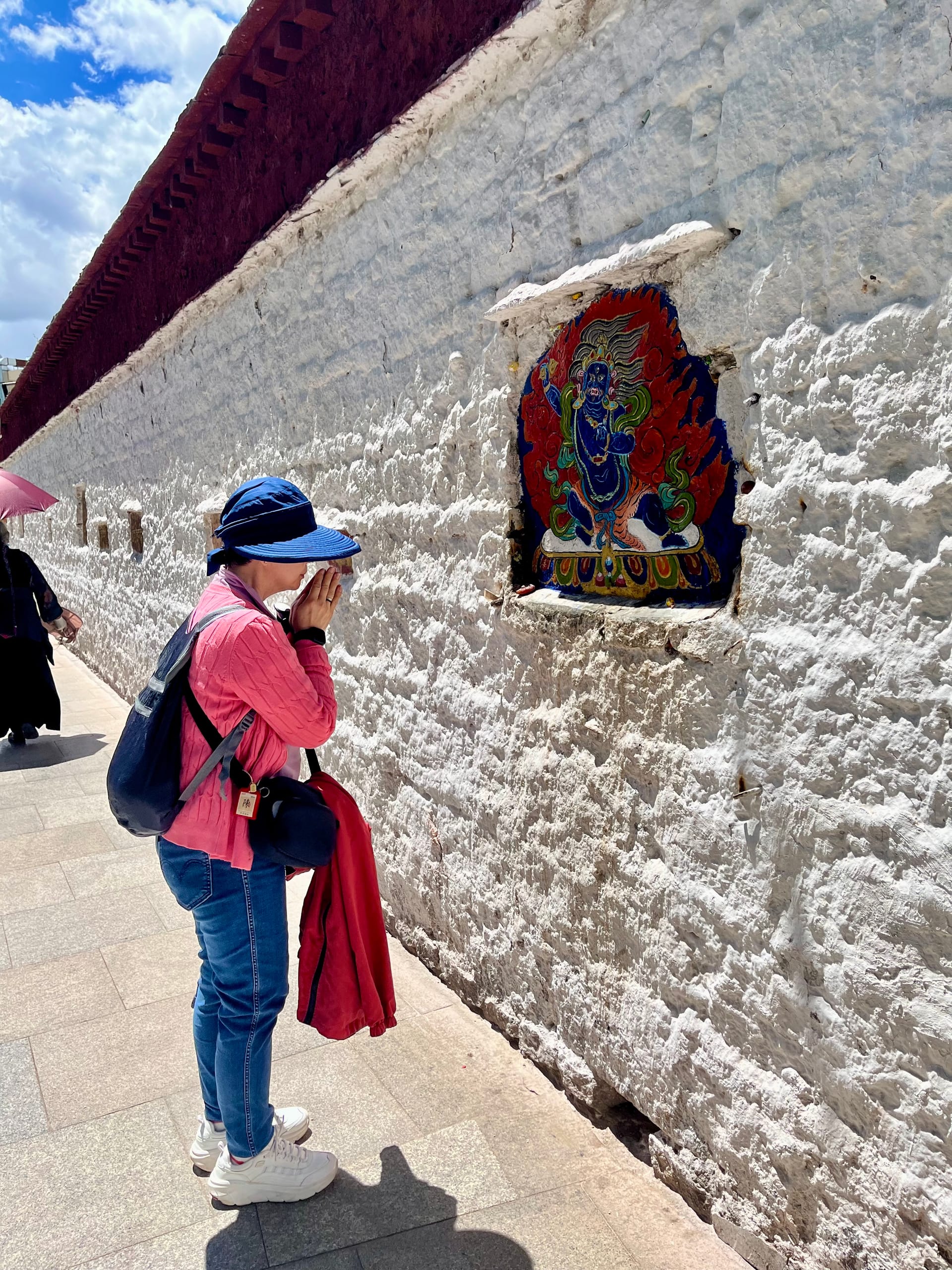
First, the red paint contains NO blood! Volunteers mix milk, honey, brown sugar, butter, and red earth. The white walls use milk, honey, sugar, and lime. Earning it the nickname "the world's sweetest palace." These edible ingredients work like strong glue against wind, snow, and sun.
Second, the walls are incredibly thick, up to 5 metres (16 feet) at the base and 3 metres at the top. Builders poured melted iron into walls for extra strength, helping the palace survive earthquakes and centuries of history.
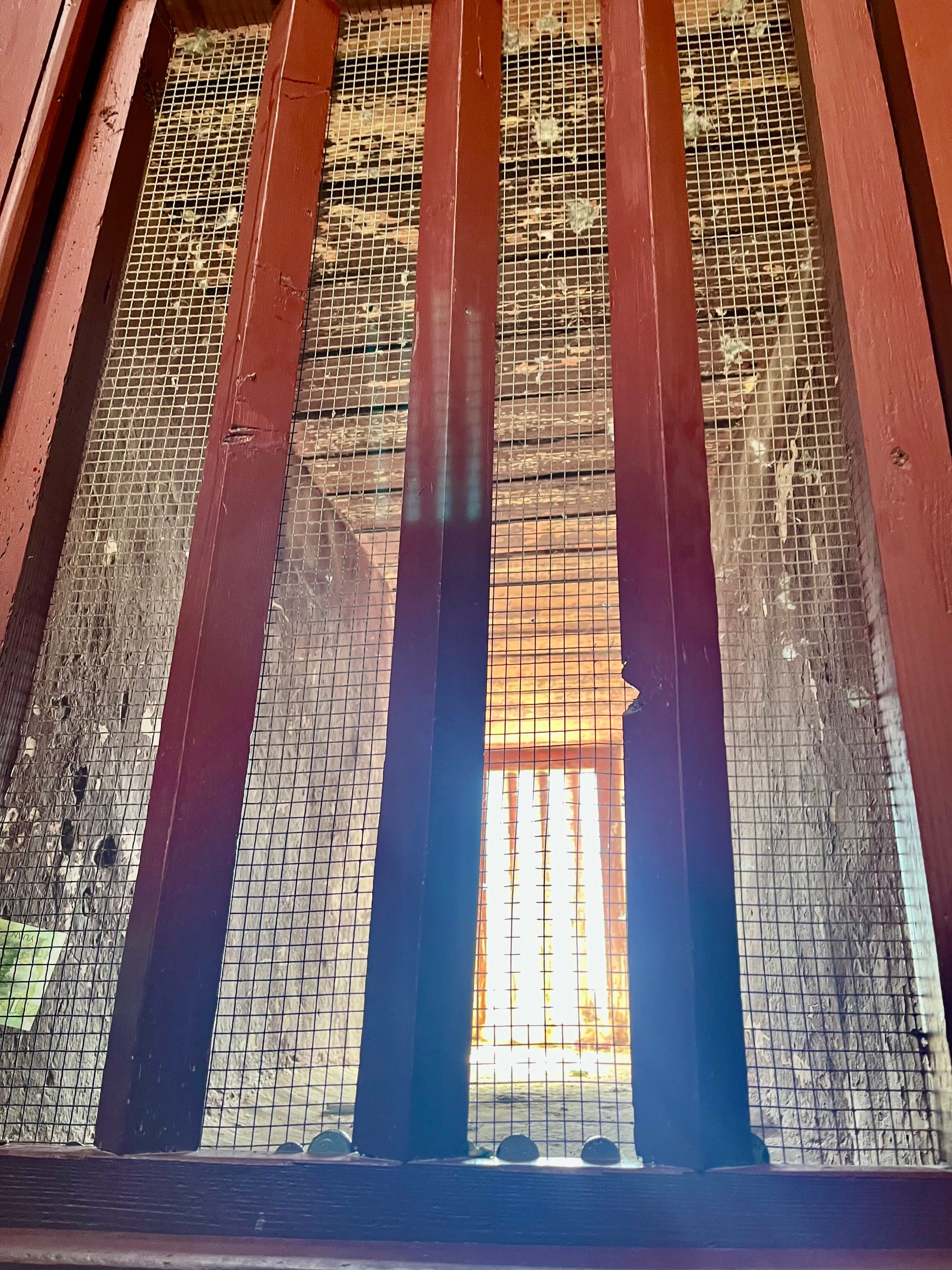
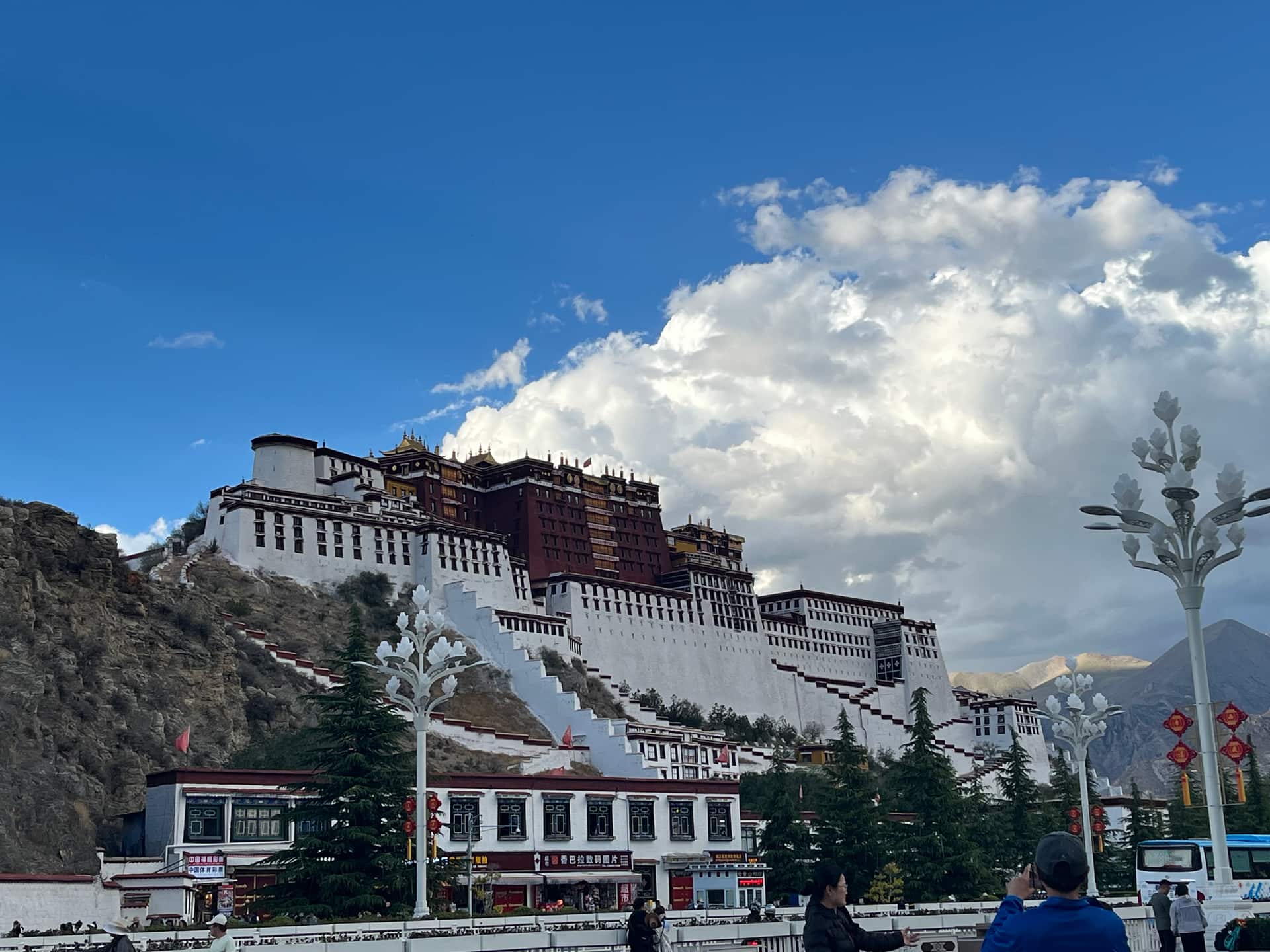
If I can do it with my bad back and nerve pain, so can you. Prepare well, listen to your body, and the roof of the world will welcome you.
Chin Yl (chin8122@gmail.com) is a content creator under the Newswav Creator programme, where you get to express yourself, be a citizen journalist, and at the same time monetize your content & reach millions of users on Newswav. Log in to creator.newswav.com and become a Newswav Creator now!
The User Content (as defined on Newswav Terms of Use) above including the views expressed and media (pictures, videos, citations etc) were submitted & posted by the author. Newswav is solely an aggregation platform that hosts the User Content. If you have any questions about the content, copyright or other issues of the work, please contact creator@newswav.com.