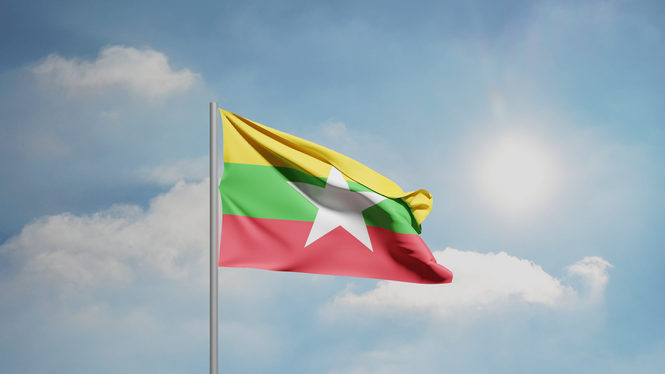
YANGON — Myanmar has pledged to facilitate the “safe and dignified” return of its citizens displaced overseas, as concerns grow over Malaysia’s planned repatriation of nearly 1,500 people later this month.
The pledge came on September 3 after the United Nations and rights groups raised concerns over the safety of those being returned, particularly members of the persecuted Rohingya Muslim minority, as reported by AFP.
In a statement, Myanmar’s Foreign Ministry said it was committed to working with Bangladesh and other countries to facilitate the voluntary return of verified displaced persons.
“Myanmar is committed to working closely with Bangladesh and friendly countries to facilitate the voluntary return of verified displaced persons in a safe and dignified manner,” it said.
Malaysia announced in July that Myanmar had agreed to receive 5,000 Rohingya, who have faced decades of discrimination and persecution in the country.
The two governments have said the first group of nearly 1,500 Myanmar nationals will be voluntarily repatriated in late September. However, it remains unclear how many Rohingya will be among those returning.
The Rohingya have faced severe persecution in Myanmar, with hundreds of thousands fleeing the country following a military crackdown in 2017. The crackdown is at the centre of a genocide case against Myanmar at the International Court of Justice.
More than 1.2 million Rohingya are currently living in Bangladesh, which hosts the world’s largest refugee settlement, although repeated efforts to arrange their return have made little progress.
Malaysia is also home to about 126,000 Rohingya, alongside Myanmar nationals from other ethnic communities who have been displaced by conflict.
Myanmar has consistently rejected the Rohingya identity, instead maintaining that the group are descendants of migrants from Bangladesh.
Reiterating that position on September 3, the Foreign Ministry said the term “falsely claims an ethnic identity which has never existed in Myanmar”.
It made the remarks while criticising commemorations held in several countries to mark Rohingya Genocide Remembrance Day.
Malaysia’s Communications Minister Fahmi Fadzil has previously said the country would not return Myanmar nationals if doing so would expose them to persecution or put their lives at risk.
However, rights groups remain concerned that returning Rohingya to Myanmar, where their ethnic identity is not recognised by the authorities, could expose them to further abuses.
A report by UN Secretary-General Antonio Guterres published on September 2 also concluded that the conditions needed for a voluntary, safe, dignified and sustainable return did not currently exist.
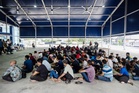
Questions have also been raised over the voluntariness of the process, as some Myanmar nationals in Malaysia are being held in immigration detention centres and may face difficulties making a free decision about whether to return.