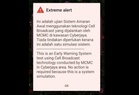
MCMC says MySiren emergency alerts can reach compatible 4G and 5G smartphones without active SIM cards or paid mobile plans, sounding even when devices are on silent mode.
KUALA LUMPUR: Malaysians can still receive emergency warnings through the National Early Warning System (MySiren) without an active SIM card or even if their mobile lines have been suspended due to unpaid bills, provided their phones can connect to participating 4G or 5G networks.
According to frequently asked questions (FAQ) issued by the Malaysian Communications and Multimedia Commission (MCMC) and updated today, the Cell Broadcast technology used by MySiren does not require an active paid subscription or mobile data to deliver alerts.
However, reception is not guaranteed, as it depends on device compatibility, operating system requirements, emergency alert settings and the phone’s ability to connect to a compatible mobile network.
To receive alerts, devices must support Wireless Emergency Alerts (WEA), run software compatible with Malaysia’s configuration and be connected to a participating 4G or 5G network.
The system is expected to support iPhone 11 and newer models running iOS 27.2 or later, Android devices running Android 12 or later, and Huawei devices running EMUI 16 or later.
The FAQ also states that alerts may reach people outside the intended affected area because mobile network coverage does not necessarily follow administrative boundaries.
People entering an affected area after an alert has been issued may also receive the warning if it is still being broadcast when their devices connect to a targeted mobile tower.
Meanwhile, users will not be able to silence the most critical MySiren warnings through their phone settings, as National and Extreme Alerts are designed to sound and vibrate even when devices are in silent mode or have Do Not Disturb enabled.
Extreme Alerts will produce a loud, siren-like warning tone, while other alert categories will follow the phone’s existing settings.
MySiren uses Cell Broadcast technology to transmit emergency warnings simultaneously to compatible devices connected to mobile network cells within designated areas, rather than sending messages to individual phone numbers.
The system is intended to complement existing emergency warning channels, including SMS, radio, television, official government platforms, sirens and local announcements.