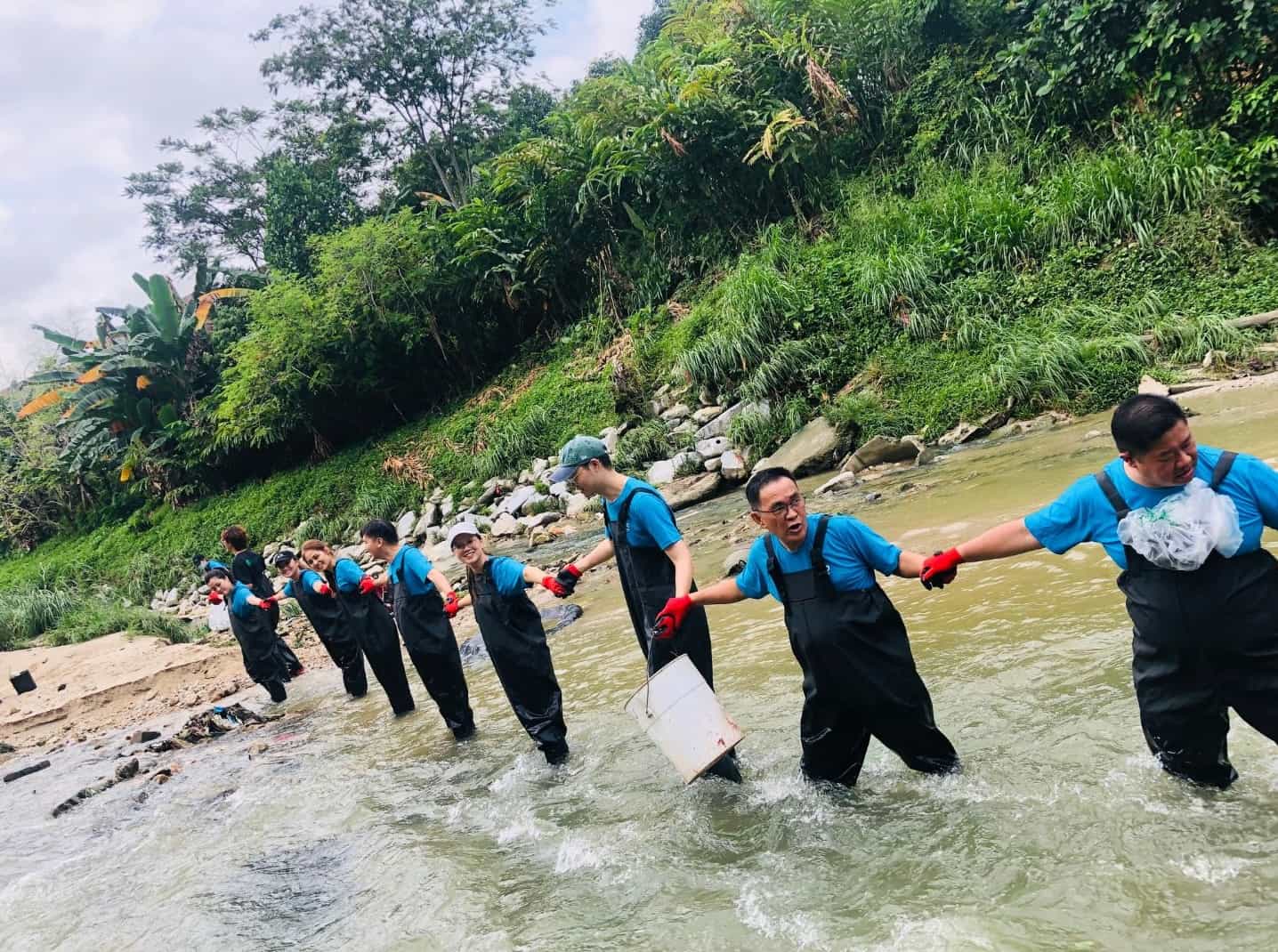
For over a decade, Fuze Ecoteer has turned travel into direct support for conservation and island communities.
Since 2015, its turtle work has released more than 230,000 hatchlings, while its Anak Pulau programme has trained 35 local youths into a rapid-response conservation team in the Perhentian Islands. Newswav spoke to the team behind Fuze Ecoteer about building a conservation-first travel business.
Q: What was the moment that made you start Fuze Ecoteer?
A: It grew out of my belief that conservation only works when people are directly involved. Earlier work showed me how travel could connect people with communities and real conservation work. In the Perhentian Islands, conservation, tourism and livelihoods are often treated separately, when they're actually interconnected – that became Fuze Ecoteer's foundation.
Q: How did you earn the trust of islanders and researchers, rather than being seen as just another tour operator?
A: Mostly by turning up, listening and staying. Trust on an island isn't built through a proposal, people watch what you do. We invested in long-term work, from the Perhentian Turtle Project to the Marine Research Station in 2017, and partnered with universities and agencies so our work was grounded in real science, not theatre.
Q: You've released over 230,000 turtle hatchlings since 2015. What did that take?
A: The number sounds impressive, but it wasn't one big action. It was thousands of small ones, repeated season after season: protecting nesting turtles, monitoring nests through incubation, and getting hatchlings safely to sea, with staff, volunteers, researchers and villagers working together year after year.
Q: What does a typical school camp or conservation expedition look like?
A: Students aren't just watching conservation happen, they're part of it. A day might start with a turtle or reef survey, followed by snorkelling, a beach clean-up or research, always tied to the bigger environmental problem. Our philosophy is simple: people protect what they care about, and they start caring once they've experienced it.
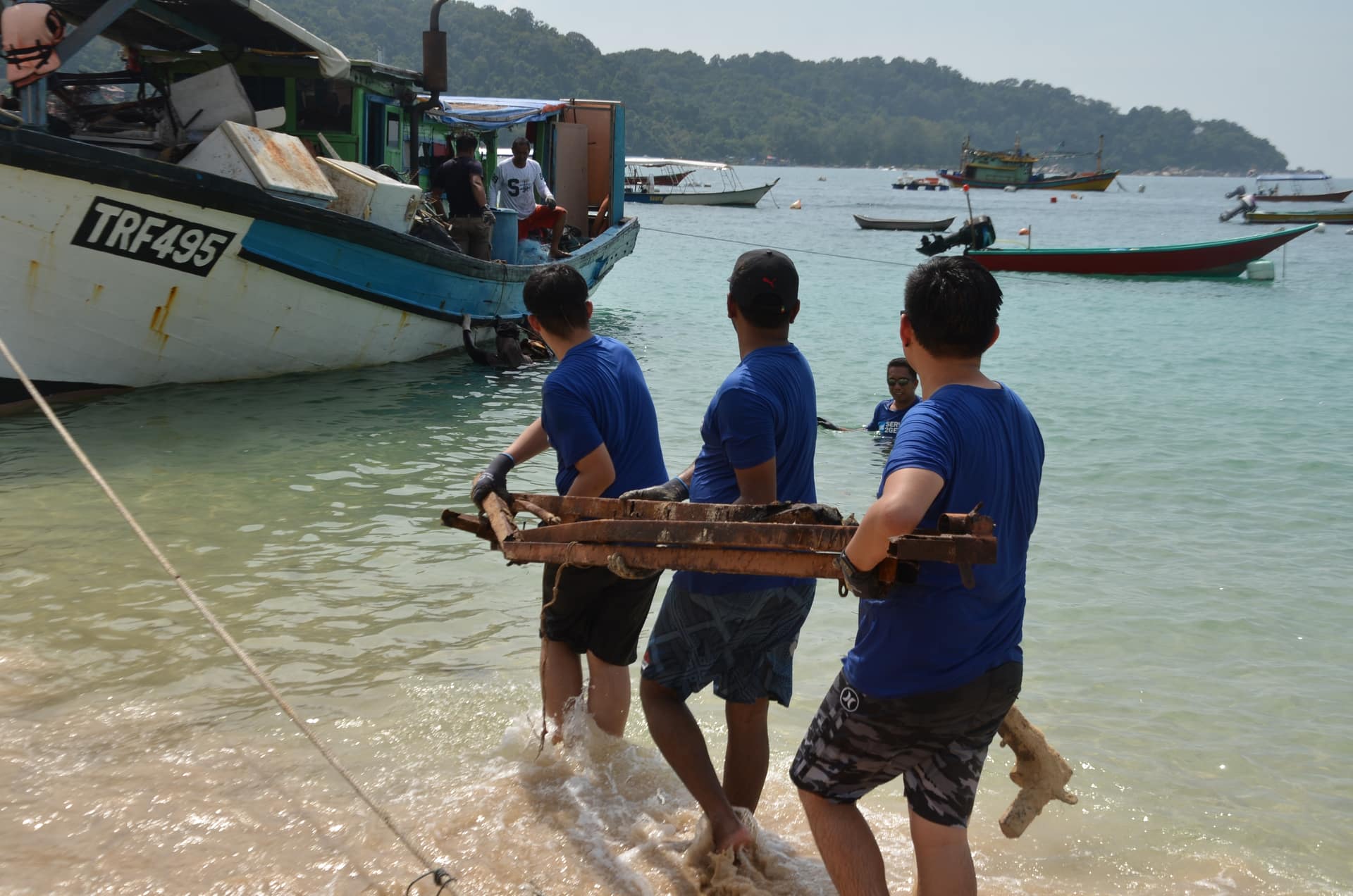
Q: What impact have you seen on the islanders you've trained, beyond conservation outcomes?
A: Probably the most important impact of the whole organisation. Around 30 villagers have trained in scuba-related work, and through Anak Pulau, about 35 local youths are developing conservation skills – some who first met us as children. If something happens on a reef, the strongest system is one where trained locals can respond.
Q: If there's one thing you want people to remember about Fuze Ecoteer, what is it?
A: That conservation isn't something people should simply come and look at. They can be part of it. After more than a decade, I'm proud of the turtles we've protected, but most proud of the people. If we succeed, the legacy won't be that Fuze Ecoteer ran projects; it's that more people became capable of conserving these places.
That's the real measure of impact for Fuze Ecoteer: not just turtles released, but a community equipped to keep protecting them long after guests go home.
Visit fuze-ecoteer.com or follow them on Instagram to see the work for yourself.