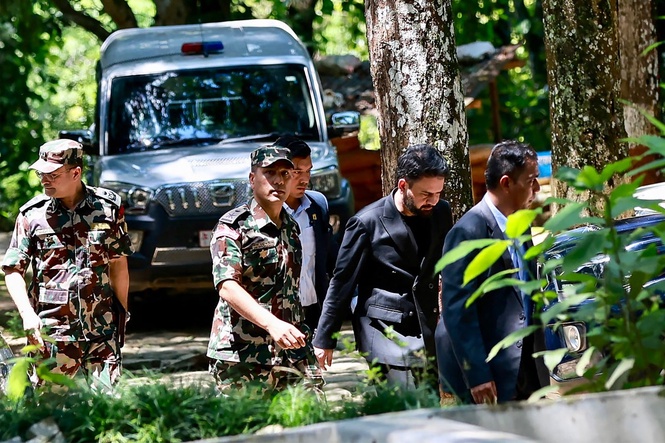
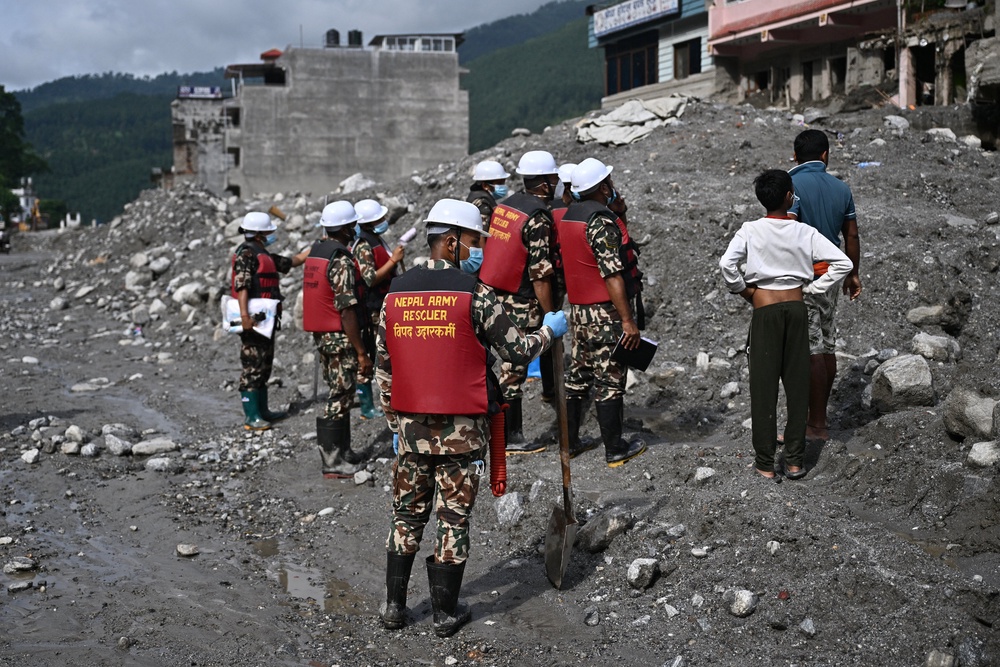
Nepal’s prime minister has ordered a crackdown on online abuse directed towards victims of the Bhotekoshi flash floods that killed almost 1,400 people on 26 August.
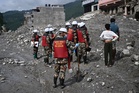
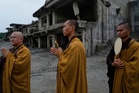
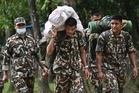
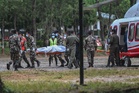
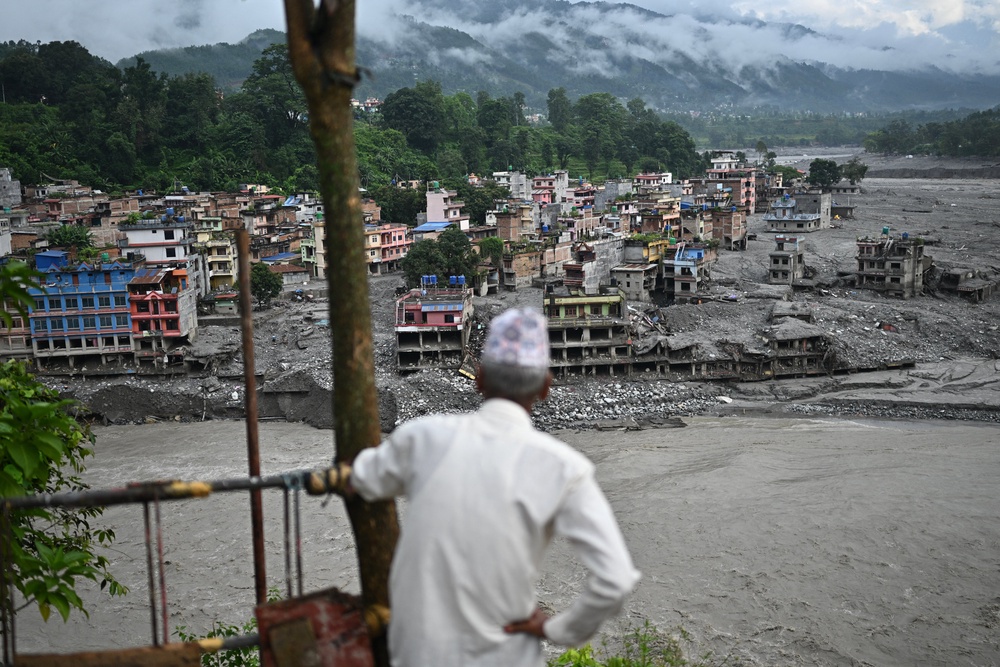
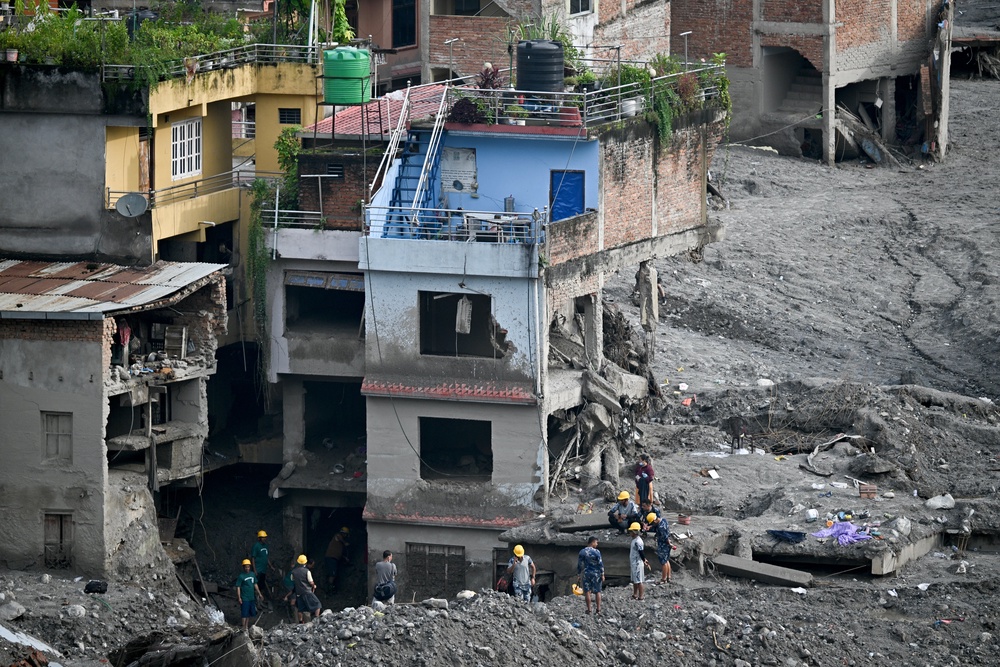
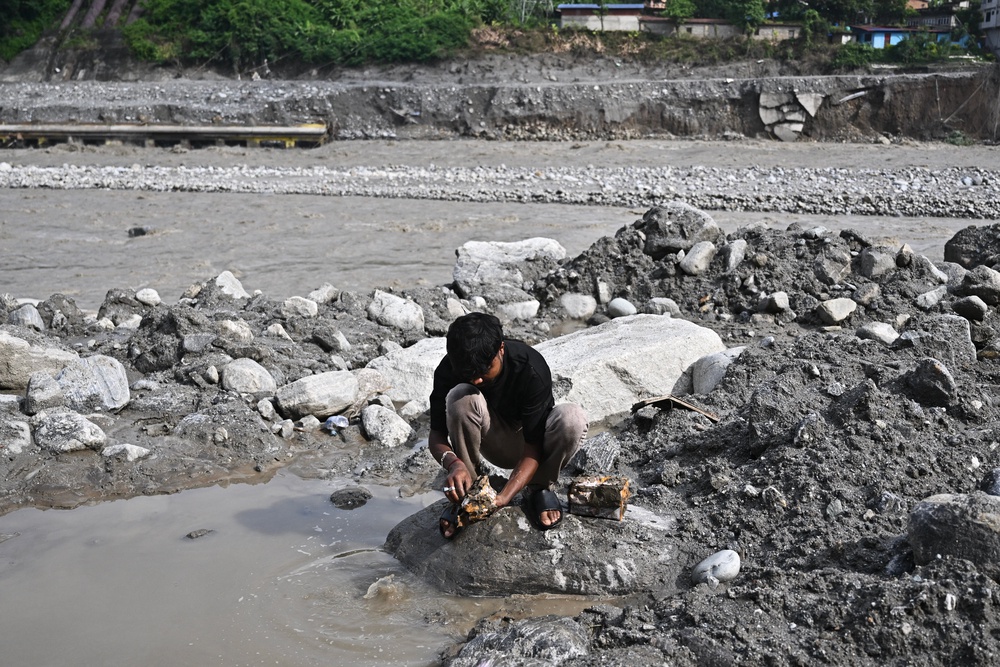
The massive flood, triggered by a glacier collapse on the Nepal-China border, swept away entire communities, buildings, homes and infrastructure. Nearly 4,000 people are still missing.
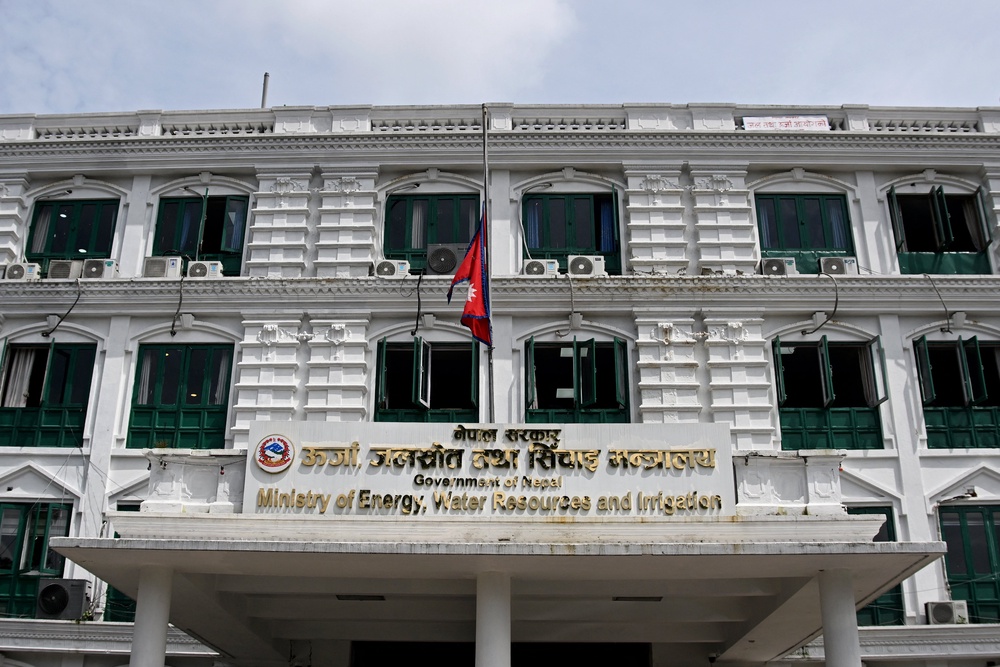
Balendra Shah warned that people mocking or harassing flood survivors – often in respond to aid appeals on social media – would face consequences.
The PM said in a Facebook post: “People who make unnecessary remarks, belittle those in pain or seek to cause them further suffering at this sensitive time are criminals.”
He added: “The government will show no leniency towards them.”
Many of the hateful and abusive messages are reportedly targeted at women and certain ethnic communities.
After his warning, the country’s cyber bureau launched an investigation into people posting demeaning comments about victims and families affected by the 26 August floods, local media said.
The bureau has formed a 10-member team to identify users responsible for abusive comments and conduct wider reviews of their social media profiles. The team is also trying to establish their addresses and phone numbers.
The abuse emerged after families searching for relatives missing in the floods posted appeals for help on social media, which attracted some hostile and insulting responses, The Kathmandu Post reported.
Cyber bureau spokesperson Dilip Kumar Giri said: “A 10-member team is working on this. Such behaviour, which causes further distress to flood survivors, must be discouraged. Those responsible will face action.”
According to the law in Nepal, certain forms of online content involving hatred, hostility, harassment, humiliation or indecent conduct are prohibited.
Those found guilty can face a fine of up to 100,000 Nepali rupees (approximately £490), a prison sentence of up to five years, or both.
Sociologist Meena Poudel told the outlet: “There is a tendency among people close to power to look down on and attack others, particularly women, Madhesi people and those from remote areas who are already in difficult circumstances.”
Madhesi is an ethnic group living mainly in the southern plains of Nepal, close to the border with India. The group forms roughly one third of the population and has sought better representation in the country’s politics.
Local media pointed out that despite the prime minister’s warning, some form of abuse of survivors continued online.
One recent example involved a woman who posted a video appeal asking for help finding her husband and other relatives and seeking security for herself and her two children.
Comments underneath the post reportedly mocked and insulted her, however.
The cyber bureau said it had arrested a man from Baitadi over social media comments about the ethnic identity of people affected by the floods, which police said could inflame ethnic tensions.

Meanwhile, an Australian tunnel-rescue expert named Arnold Dix has joined operations searching for people still believed to be trapped inside the Chilime hydropower tunnel in Ruwasa district in Nepal after the Bhotekoshi floods.
In a social media post, Mr Dix said: “Right now, in Nepal, we are facing something I have never faced before.”
At Chilime, teams are assessing conditions and changing their plans to reach the underground powerhouse, reports said.
Mr Dix said that the operation was also testing the willingness of teams to continue despite uncertainty over the outcome. “Hope must become discipline, compassion must become action, and duty cannot depend upon certainty of success,” he wrote.
He added: “We are measured not only by the lives we save, but by the lives we refuse to abandon.”
In other parts of Nepal, there is concern over the contamination of drinking water due to the floods. The Himalayan Times reported that there are now fears of disease outbreaks across several regions.
It reported that five of 15 water samples from flood-displaced people’s holding centres in Nuwakot tested positive for E coli – a type of harmful bacteria – suggesting the water is contaminated with faecal matter.

The floods also reportedly damaged 55 drinking-water projects across four districts of Rasuwa, Nuwakot, Dhading and Gorkha – with losses estimated at 640m Nepali rupees (approximately £3m).
Authorities are treating contaminated water and restoring supplies, while health officials have warned of diarrhoea, cholera, skin infections and other diseases due to the lack of safe drinking water.
Dr Bimal Sharma Chalise, chief consultant physician at Shukraraj Tropical and Infectious Disease Hospital, urged survivors to maintain personal hygiene and emphasised safe food and drinking water practices.
Nepal has also brought 21,000 cholera vaccine doses to flood-hit Rasuwa with WHO support.
‘I had lost hope’: Chinese survivor recalls moment of rescue from tunnel in Nepal
Nepal’s rescuers pull out two more people alive from under debris
‘Miracle’ in Nepal as two men rescued from flooded tunnel
Inside Nepal’s tunnel rescue operation guided by Whatsapp group of 500 experts
The women and babies dying because of Trump’s aid cuts in Afghanistan
Dozens of trapped hydropower tunnel workers in Nepal ‘could still be alive’