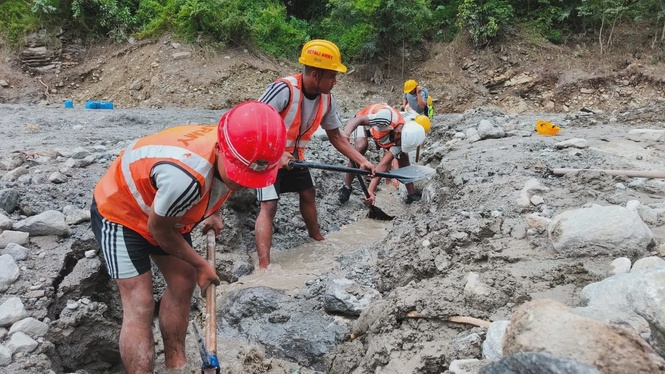
KATHMANDU, Sep 3 - Nepal will have to rebuild around 20,000 houses in flood-ravaged areas, as rescuers continued to search for workers trapped in tunnels linked to hydropower projects and thousands remain missing after last week’s catastrophe.
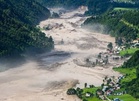
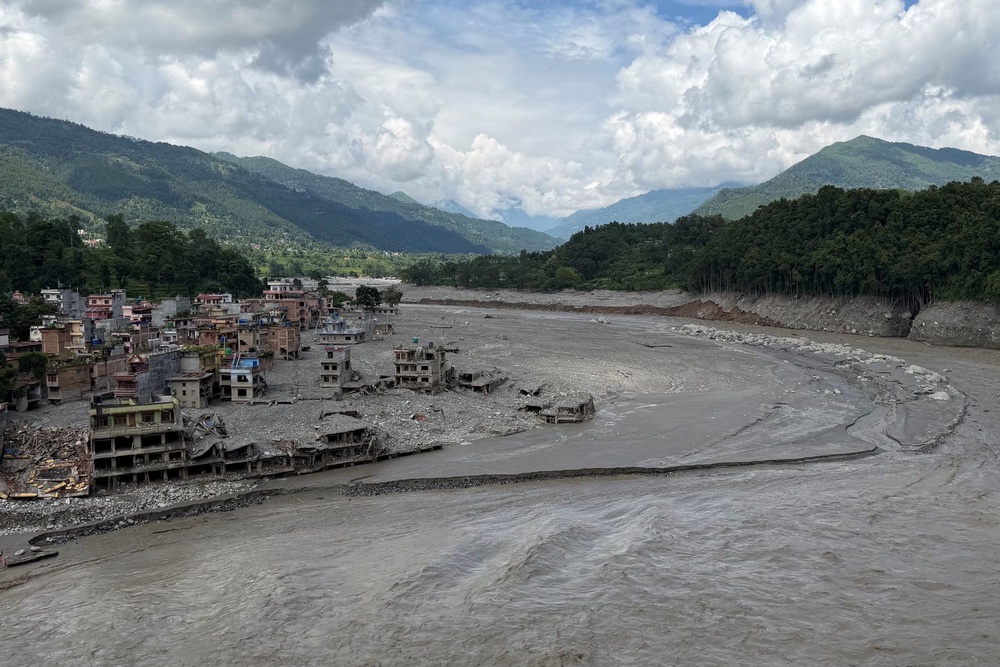
A glacier collapse on Wednesday (August 26) sent a deluge of ice, rock, and mud sweeping through the impoverished nation's border region with China, wiping out settlements and villages and leaving few houses standing and undamaged.
"Our preliminary estimates are that 7,500 houses have been completely destroyed, either washed away or buried under debris and mud," said the National Disaster Risk Reduction and Management Authority's chief Dharma Raj Upreti to Reuters today.
He added that even houses still standing were not habitable, with authorities estimating that around 20,000 houses would have to be rebuilt in different, safer locations.
At least 1,252 people were killed in Nepal last week as houses, streets and schools in towns and villages near the border with China's Tibet were swept away. More than 4,200 people are still missing and thousands more displaced.
China has put the death toll in Tibet at 21, with 541 others listed as missing.
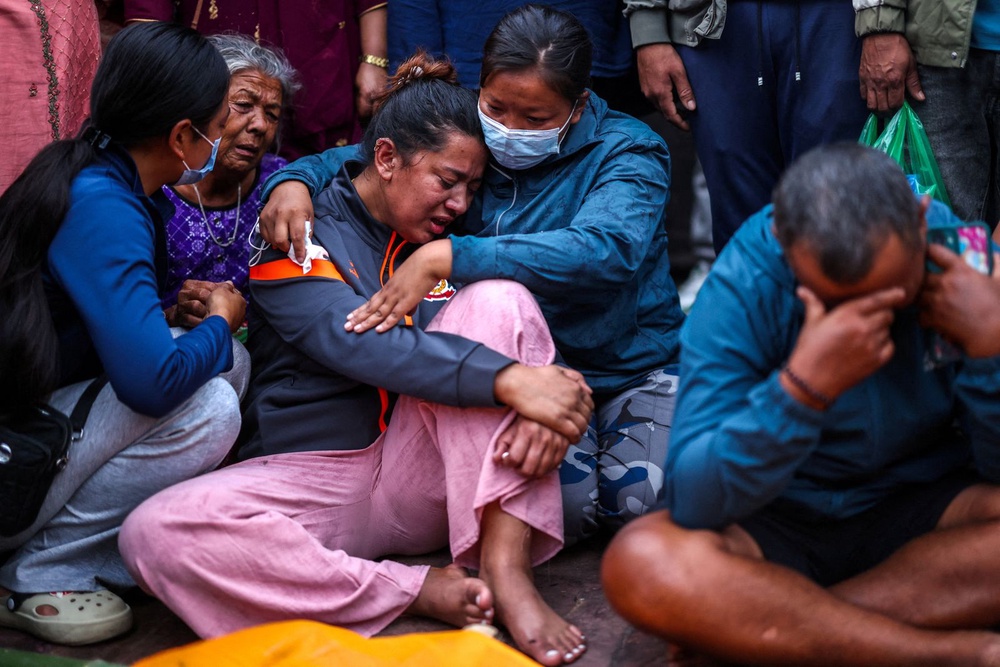
Search for missing continues
The Army said in a statement today that over 9,300 Nepali Army troops are on the ground in the affected areas of Timure in Rasuwa, Nuwakot, Dhading, Chitwan, and Nawalparasi East, coordinating search and rescue of the injured and helping with management of bodies, clearing blocked roads, and providing emergency medical treatment.
An Australian medical student whose partner went missing near the Nepal-China border urged tech companies to do more to help find him and others caught up in the disaster by sharing tracking data that could narrow the search areas for rescue teams.
Earlier today, Kathmandu confirmed that at least 583 foreign nationals were missing in the floods, many of them pilgrims and trekkers.
An Army officer, who spoke on condition of anonymity because he is not authorised to speak to the media, said the search was continuing with experts from India, South Korea, and China for at least 900 survivors believed to be trapped in tunnels related to hydropower projects.
"The search-and-rescue operation will continue as long as there is any hope of finding survivors. Even if there are no survivors, we will recover the dead bodies," he said.
Army spokesman Raja Ram Basnet said two bodies had been recovered from the tunnel of Langtang Khola Hydropower Plant.
Australia pledged additional support and said it would also share telecommunications data with Nepali authorities.
The Chinese Foreign Ministry said that Beijing sent a third batch of aid to Nepal, including tents, blankets, medical protective suits, and satellite communication equipment, as both nations' weather offices remain in contact.
"China will continue to provide emergency assistance based on Nepal's needs and carry out international rescue cooperation," its spokesman Guo Jiakun said during a daily media briefing today.
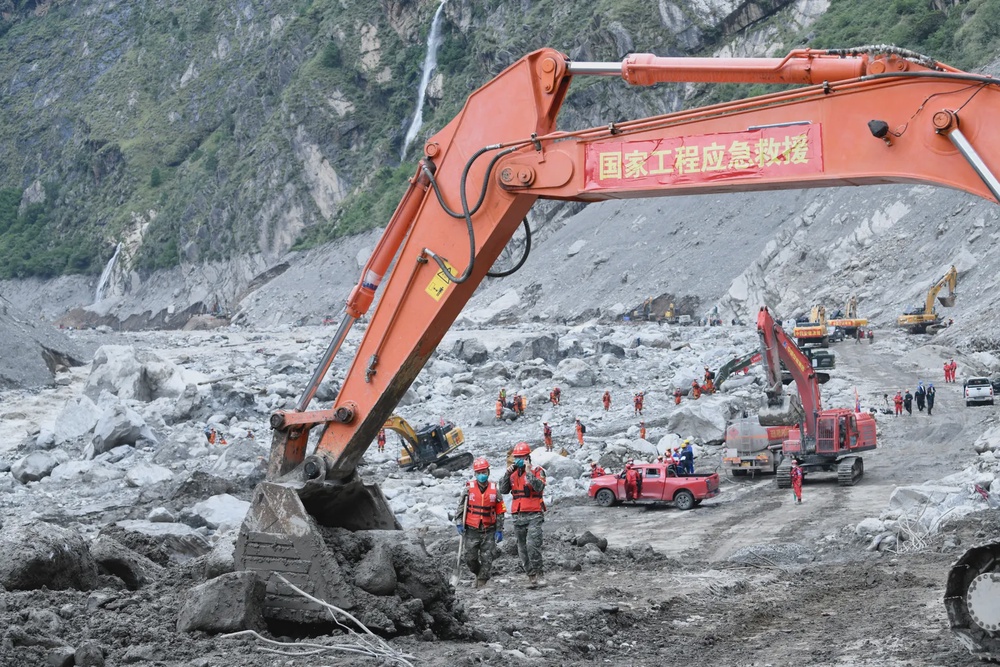
Reports on the rescue efforts in Tibet, largely provided by Chinese state media as foreign media's access to the region is restricted, have slowed a day after the G216 national highway leading to the site was reopened.
Since yesterday morning, rescue teams have been able to enter the site where the Gyirong border crossing complex once stood, bringing excavators and specialised equipment.
Getting children back to school
"People have lost everything. They do not have citizenship IDs or passports," said Nepal's National Emergency Operation Centre official Phanindra Paudel.
Authorities worked to restore regular routines as much as possible, focusing on getting children into makeshift schools.
UNICEF said in a statement that, more than a week after the flood, at least 22,000 children urgently need safe drinking water, sanitation, and hygiene support.
"Our priority is to restore normal life. We are considering if children can be taught in the holding centres," Paudel said.
But teachers said finding safe buildings to hold classes remains a challenge.
"We are looking for safe, empty buildings or other schools where we can resume classes. The school building was completely washed away, so we will have to build a new one in a safer location," said Rajendra Dawadi, headmaster of a school who helped save about 900 students by evacuating them in time.
Shanti Sunar, 45, escaped the disaster with her husband but lost her house and a small shop she ran.
"I have been visiting the site almost every day. I can recognise where our house stood, but there is no trace of it now.
"We cannot rebuild at the same location because it is not safe. I expect the government to relocate us to a safer place," she said.