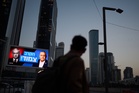
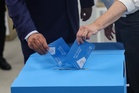
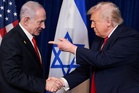
ISRAELI Prime Minister Benjamin Netanyahu's political bloc has suffered a significant setback in the general election, securing 53 seats against 48 for the rival bloc led by Gadi Eisenkot, with neither side commanding the majority needed to form a government.
Final results released by the Central Elections Committee showed Arab-led parties winning a record 19 seats, potentially giving them considerable influence over negotiations to form the next government.
The results leave the 120-member Knesset without a clear majority, as at least 61 seats are required to form a government.
Netanyahu's Likud won 27 seats, while Eisenkot's Yashar secured 21. Other parties in the election included B'Yachad with 12 seats, the Joint List with 11, The Democrats and Ra'am with eight each.
Yisrael Beytenu, United Torah Judaism and Otzma Yehudit won seven seats apiece, while Shas and Religious Zionism secured six each.
The pro-Netanyahu bloc, comprising parties in the outgoing government, fell from 68 seats to 53, while the Joint List and Ra'am together secured 19 seats, almost double their combined representation in the outgoing Knesset.
Although the Arab-led parties' combined seats could potentially strengthen the rival bloc's numbers, most Zionist parties, apart from The Democrats, have ruled out cooperating with Ra'am or the Joint List.
The Central Elections Committee reported voter turnout of 77.9 per cent, the highest in decades, with 5,716,665 votes cast.
It also dismissed reports of widespread voter fraud, saying an ongoing investigation into alleged attempts to influence the election would not affect the final results or target any particular population group.
The official results will be presented to President Isaac Herzog on Wednesday after the committee completes its remaining inquiries into complaints and possible errors.
Herzog will subsequently consult party leaders on their recommendations for the next prime minister, as Netanyahu and Eisenkot have both pledged to form the next government.
The new Knesset is scheduled to be sworn in on Nov 10, while negotiations to form a governing coalition could stretch beyond two months.
Herzog has urged political leaders to approach the negotiations with an open mind and avoid another election, following years of political instability that saw Israelis return to the polls five times within three years. - October 30, 2026