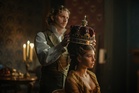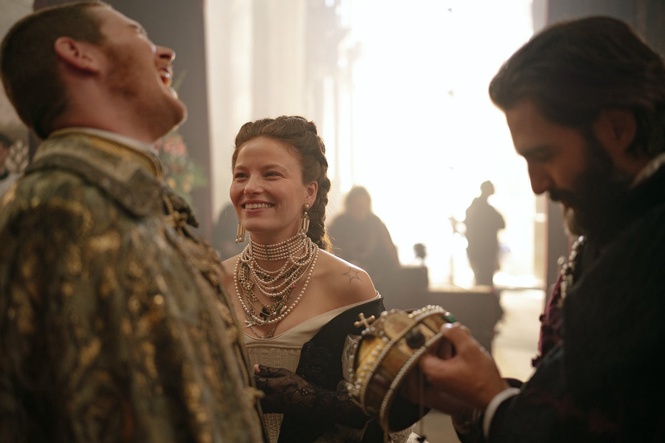
Netflix period drama The Empress required thousands of costumes, props and background actors to recreate the lavish world of 19th-century European royalty, with 88 different outfits created for its leading actress alone.
As the German-language series prepares to return for its third and final season, Netflix has revealed some of the production figures behind the show, offering a glimpse into the scale of work involved in bringing the story of Empress Elisabeth and Emperor Franz Joseph I to life.
According to Netflix, the period drama’s first two seasons hit the Top 10 in more than 85 countries, ahead of the third and final season launching Thursday.
The show is set in the latter half of the 19th century and based on the real lives of the ill-fated empress, who was assassinated by an anarchist, and one of the last Habsburg emperors of Austria-Hungary.
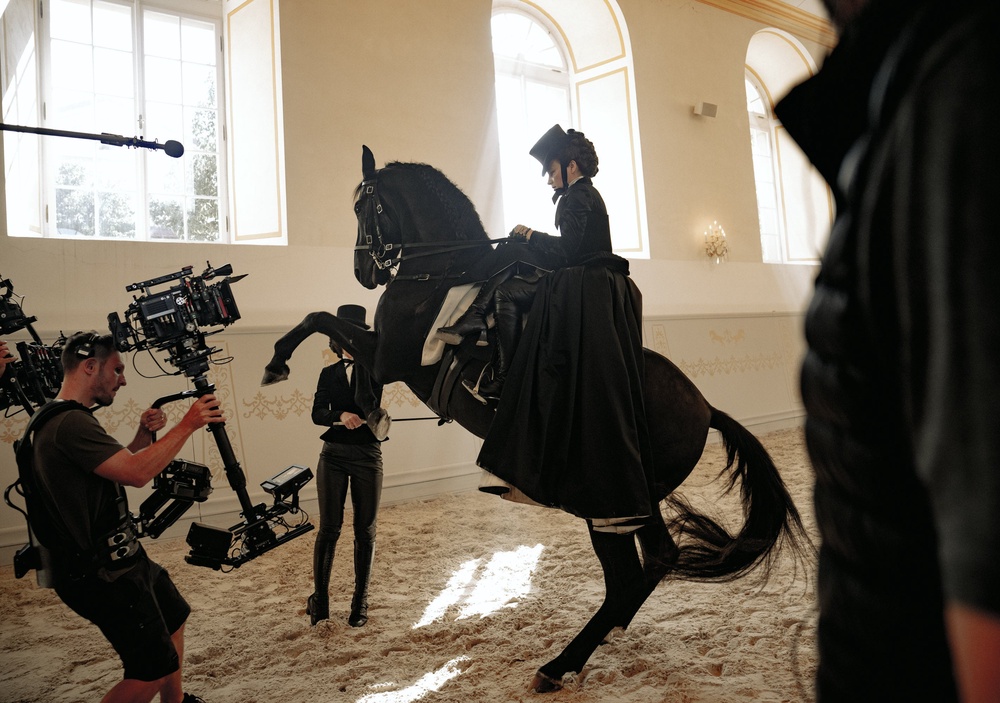
Despite struggling with her own mental health and shyness, Empress Elisabeth fought for her political beliefs and to find her own place in the world. This continues to win her plenty of admirers and portrayals — by Romy Schneider in the 1950s “Sissi” trilogy of films and Vicky Krieps in 2022’s Corsage.
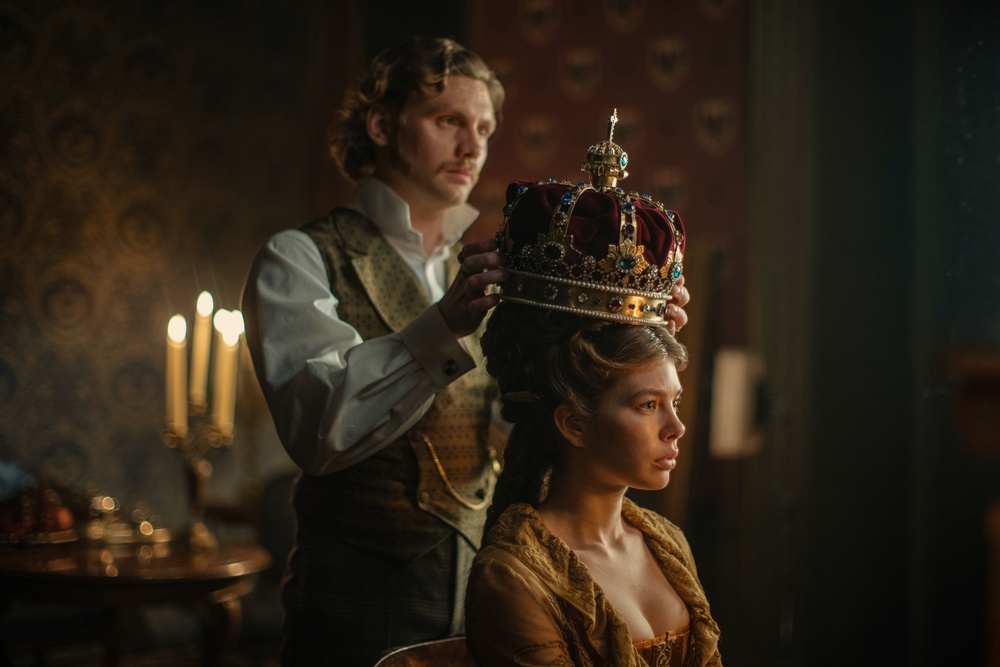
Devrim Lingnau, who plays Elisabeth, wore 88 different costumes across the three seasons, with each outfit comprising multiple layers including blouses, skirts, underskirts and corsets. The majority were hand-sewn, with some taking weeks to complete despite appearing in just a single scene.
“Some of the dresses we had were just seen once or something, in one small scene, and then they’re gone again, and people were working on it for weeks,” Lingnau said.
Her co-star Philip Froissant, who portrays Emperor Franz Joseph, had a considerably smaller wardrobe, with around three types of military uniform and between eight and 10 civil outfits.
The production also required 23 wigs for the main cast, including four or five created specifically for Lingnau and her double. Meanwhile, a further 120 beards and sideburns were made for the series.
Froissant was spared the need for artificial facial hair, with his distinctive sideburns being his own. However, he admitted the look could be difficult to maintain outside the period drama, making him resemble “a trucker or a rocker, rockabilly guy” when wearing ordinary clothes.
Around 8,000 candles were used during the second and third seasons, helping recreate the atmospheric interiors of royal palaces. The figure does not include the first season, when filming at original historic locations meant candles could not be used.
Showrunner Katharina Eyssen explained that the production subsequently moved to studio sets, where the team was able to use candles more freely because of restrictions on filming inside actual castles.
The production also went through 440 fake Champagne bottles, many of which featured in scenes depicting lavish parties and celebrations at Schönbrunn Palace.
Lingnau noted that drinking was a recurring feature of these sequences, saying: “Almost all of the scenes in Schönbrunn people are drinking.”
Large-scale occasions including weddings, coronations and public appearances required approximately 2,000 extras to recreate the crowds surrounding the imperial family.
Froissant recalled the unusual experience of entering a room and watching hundreds of people immediately fall to their knees as part of the ceremony.
However, repeating scenes multiple times could test the patience of the background actors, with Lingnau recalling how even the extras would eventually start laughing during filming.
“Even the extras are starting to giggle, because they don’t take you serious anymore,” she said.
The third and final season of The Empress launches on Netflix on Thursday.
Maya Jama announces 'exciting' Netflix deal after shock Love Island exit
Bob Geldof and Madness among acts at major Ukraine benefit gig
Love Is Blind star says her engagement ring ‘turned green’ and lost its diamond
Netflix unveils Stranger Things prequel series set decades before events of hit show
David Walliams whistleblower Lucy Beaumont fears being blacklisted from TV industry
Jonathan Ross 'horrified' by Russell Brand crimes and David Walliams allegations