
From Pineapple Waste to Fashion
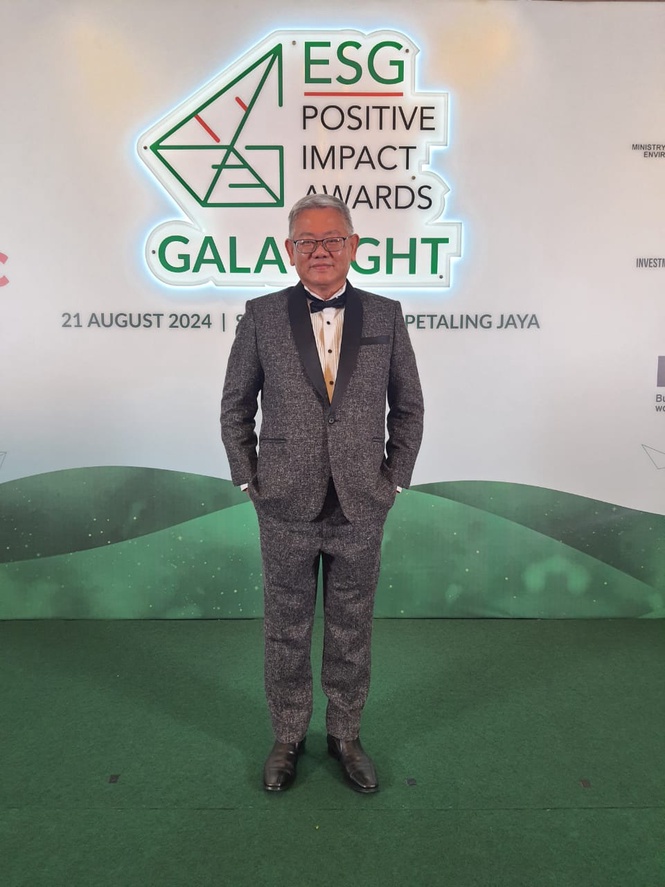
The next step in an exciting revolution — one that promises to reshape the fashion industry through sustainability and innovation — has already been taken by Dato Lee Mok Foong.
In case you’re wondering, Dato Lee is an entrepreneur and lecturer-turned-pineapple farmer who is advancing zero-waste agricultural management for this crop to new heights.
Laboratory research and studies with two leading universities in Malaysia, including tensile tests on more than 10 species of pineapple fibre, have been completed, yielding encouraging results.
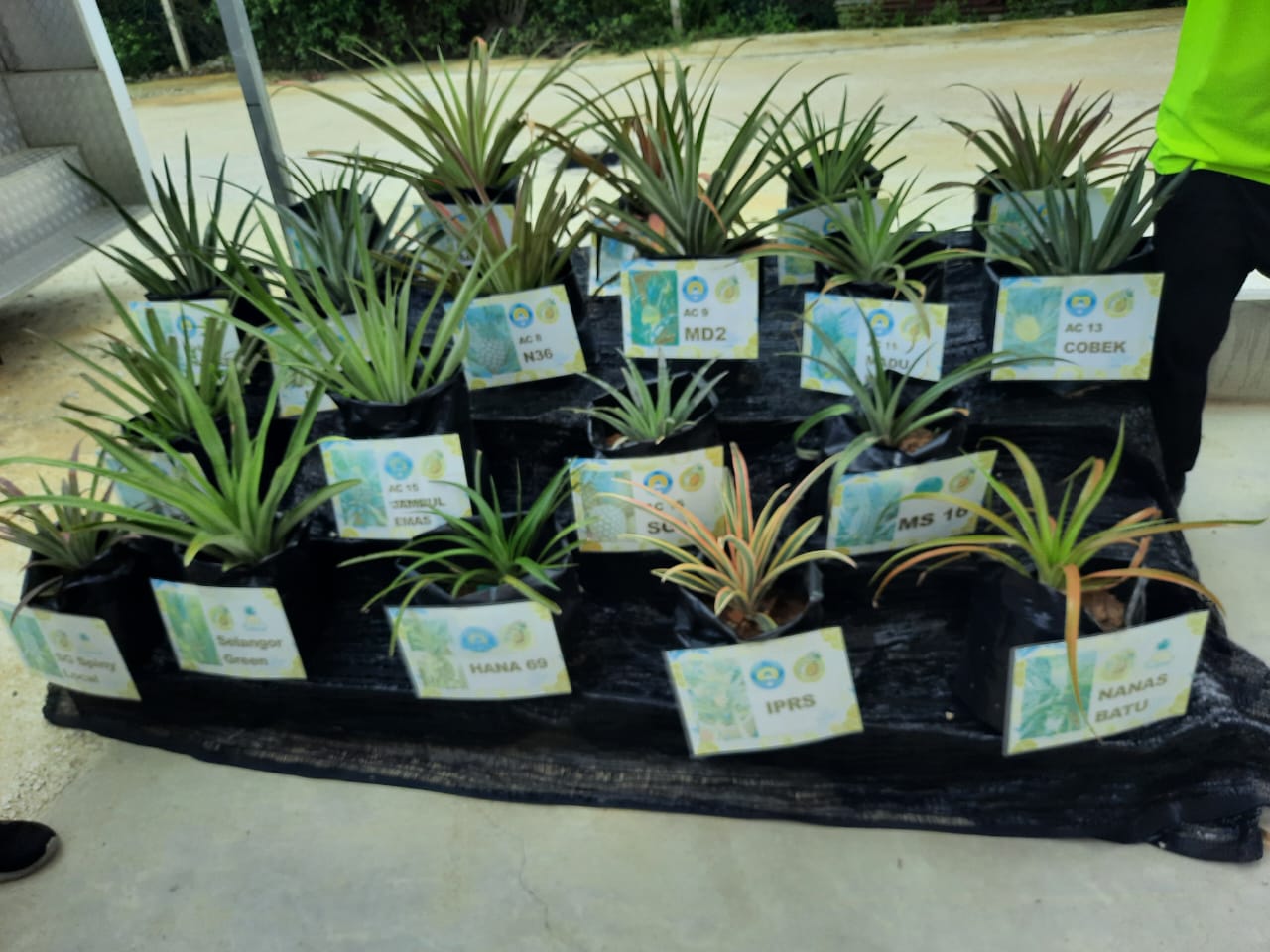
The tested species include commonly cultivated varieties in Malaysia such as N36, MD2, Josapine, Moris, Sarawak, Gandul, Yankee, Ripley, and MD2 (Golden Ripe).
But hold on — many other countries have explored this as well. Most notably, the Philippines, a pioneer in pineapple fibre textiles, has long incorporated it into traditional garments like the Barong Tagalog.
India, Spain, Thailand, Indonesia, Costa Rica, and Brazil have also developed fabric and other products from pineapple fibre.
So, what’s new? And what’s driving Dato Lee down this path?
Creating a Light, Soft, Eco-Friendly Fabric
To answer the first question, he aims to develop a soft, lightweight, and breathable material from pineapple fibre that is suitable for both sustainable everyday wear and high-fashion designs, ranging from plain T-shirts to couture garments.
“The results of two years of research with universities have been promising,” said Dato Lee, who recently gave an interview in AgroBiz (a non-governmental organization dedicated to promoting sustainable agriculture), and actively lectures and give interviews on sustainable farming and agro-tourism at local universities, seminars, and expos.
Last month, he also gave a talk on “Knowledge Agrotourism in Malaysia” at the Pakar Pertanian Agriculture Expo and Conference, held at MAEPS Serdang, Selangor, last month. He also serves as an Adjunct Professor at the Centre for Research in Development, Social, and Environment at the National University of Malaysia.
“We have discovered that practically all pineapple leaf species can be used to produce different types of fabric or cloth. Depending on the species, some fibres are longer, while others are more stretchable, making them ideal for various applications, including socks.
“With this research, we aim to collaborate with the textile and fashion industries to develop a soft and breathable material that people will feel comfortable and proud to wear as an eco-friendly alternative.”
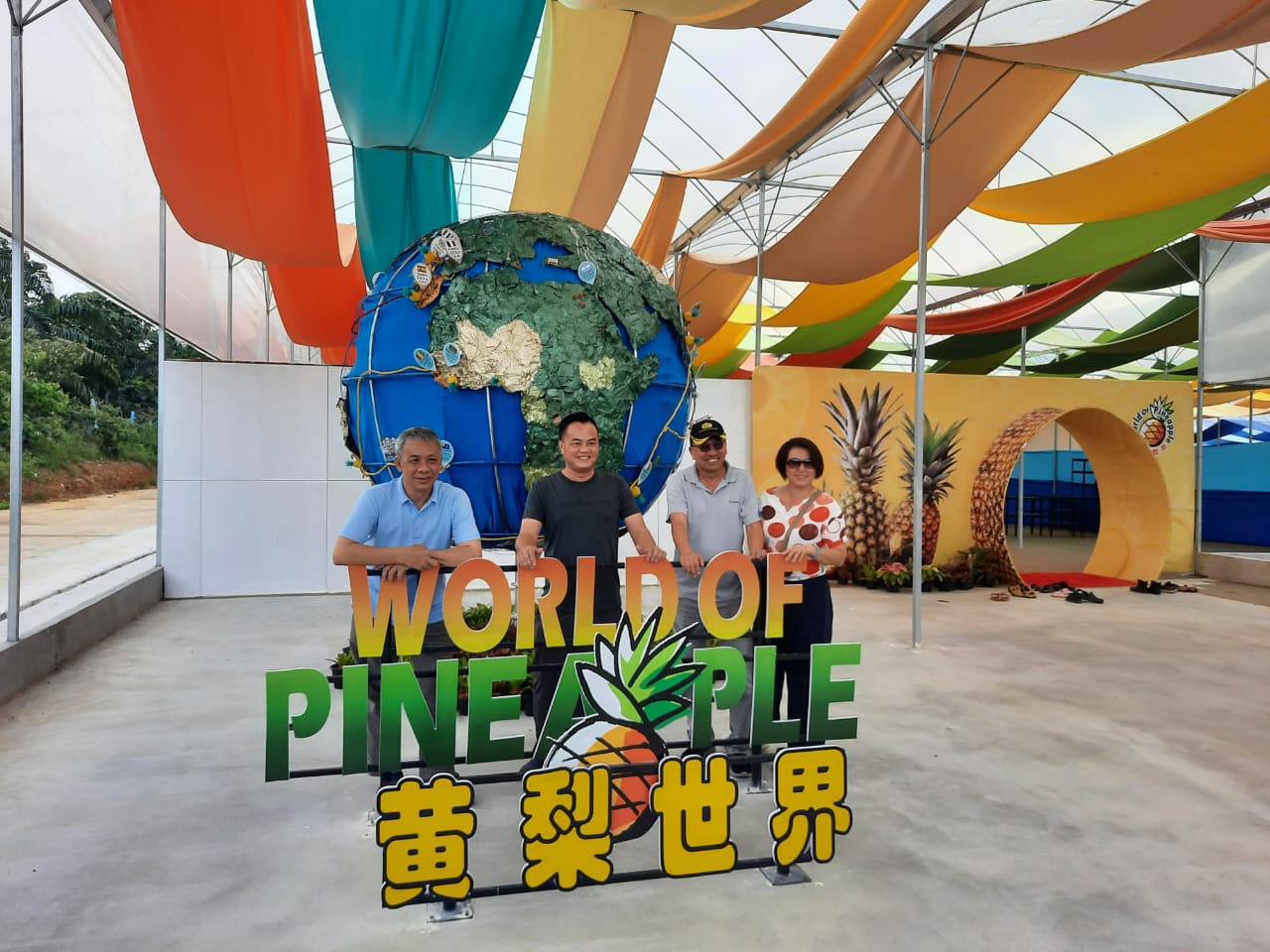
As for why Dato Lee is pursuing this path, it aligns naturally with his vision as CEO of World of Pineapple and Sky Ladder Farm, taking his farm’s zero-waste management to the next level.
Fashion, though not widely acknowledged, is one of the most polluting industries globally.
Soon after starting his pineapple farm, he realized that pineapple cultivation generates significant waste, with leaves, crowns, and peels typically burned after each harvest.
“Pineapple fibre provides an ethical, biodegradable, and renewable fabric option,” said Dato Lee, who holds a Bachelor of Science in Development Science (Honors) and a Master of Science from the National University of Malaysia.
“Synthetic fabrics release an immense amount of microplastics into the environment, and fashion waste clogs landfills. The industry desperately needs sustainable alternatives.
“When you consider these factors, it makes perfect sense to proceed in this direction.”
Key Benefits of Pineapple Fibre Fabric
- Sustainability: Derived from a by-product of pineapple farming, reducing waste that would otherwise be burned.
- Biodegradability: Unlike synthetic fabrics, it decomposes naturally without harming the ecosystem.
- Breathability: A lightweight material ideal for tropical and warm climates.
- Cruelty-Free: A sustainable alternative to leather and silk, making it appealing to eco-conscious and vegan consumers.
From Zero-Waste Management to Sustainability
From the beginning, farming for Dato Lee has never been just about harvesting pineapples. It has always been about finding smarter, cleaner, and more purposeful ways to do it.
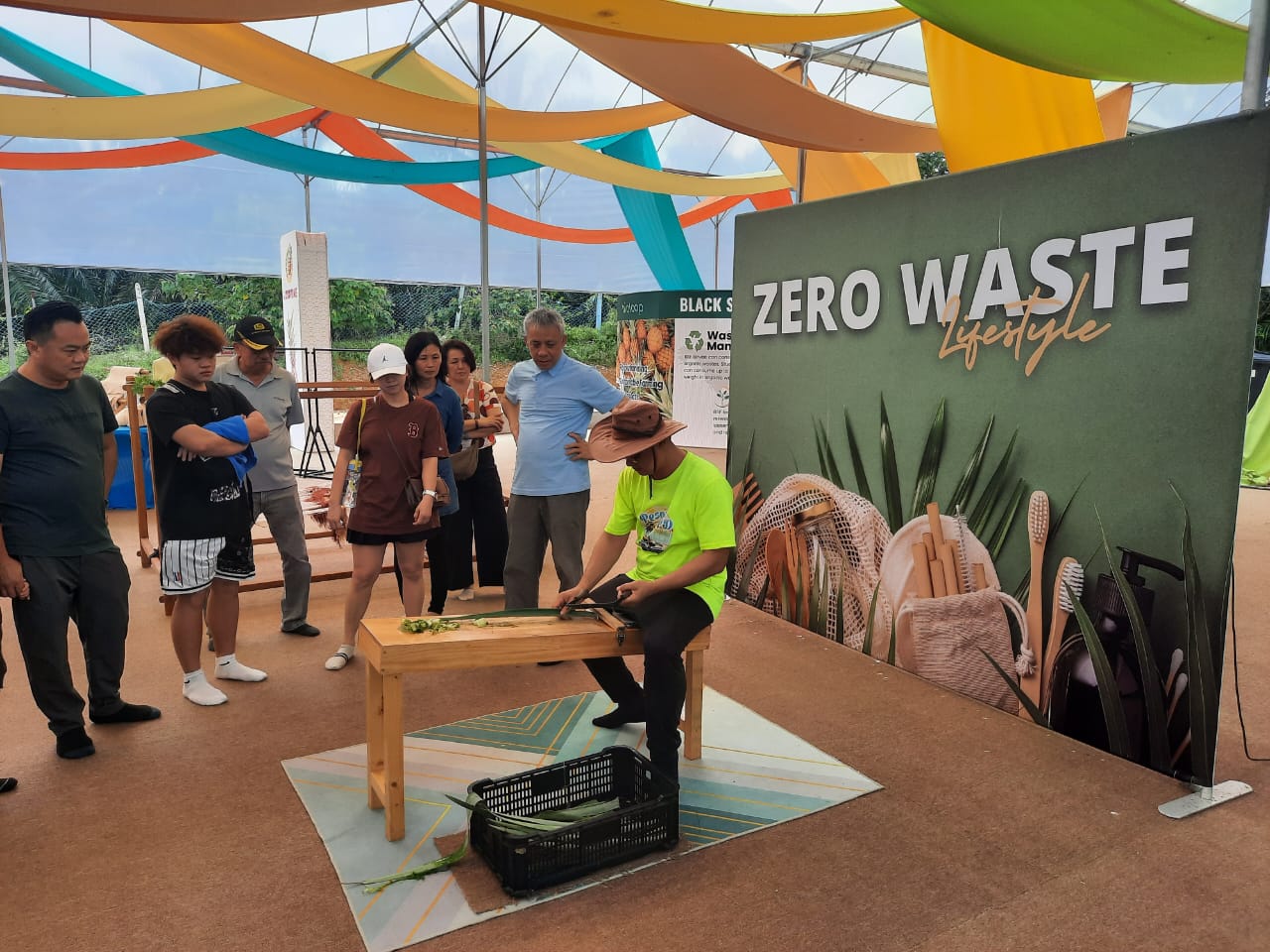
His goal is to eliminate waste and maximize the potential of every part of the crop. That’s why his farm also produces pure pineapple juice, jam, and ice cream — with more products on the way.
Determined to repurpose pineapple waste, Dato Lee collaborated with universities he was closely associated with.
He discovered that these fibrous leaves, previously discarded, could be transformed into an eco-friendly, biodegradable fabric — a viable and sustainable alternative to conventional textiles.
“The material made from pineapple fibre is lightweight, breathable, and durable,” he said.
“Furthermore, it can be used as every day wear and can go into a washing machine unlike a Barong.
“This makes it an excellent alternative to traditional textiles.
“Conventional fabric production often involves chemical-intensive processes and excessive water consumption. In contrast, pineapple fibre production is significantly more eco-friendly, requiring minimal water, avoiding harmful dyes, and reducing waste by repurposing agricultural by-products.”
Fashioning a Sustainable Future
With this initiative, Dato Lee aims to introduce pineapple fibre fashion not only to local markets but also to the global stage.
His goal is to collaborate with ethical designers, textile innovators, and sustainability advocates to create a fashion line that embodies environmental responsibility without compromising style.
Several parties have already expressed interest in working with this unique material, and Dato Lee has a clear strategy for its implementation.
The versatility of pineapple fibre allows it to be used in everything from casual wear to high-end fashion pieces, accessories, and even footwear.
“The possibilities are many,” said Dato Lee.
“But we are fully committed to this mission and vision because it addresses a critical gap between consumption and pollution. Consumption inevitably leads to pollution.
“Through our sustainability practices, which we plan to expand by promoting an eco-conscious lifestyle, we aim to create attractive, wearable, and environmentally friendly fabric from pineapple leaf waste.
“We want to work with partners who share our passion for reducing pollution and preserving the environment for future generations.”
Beyond Fashion: A Lifestyle Change
For Dato Lee, this journey represents more than just a business venture — it’s a meaningful step toward fostering a more sustainable way of life.
As World of Pineapple and Sky Ladder Farm expand their reach into the sustainable fashion industry, consumers, designers, and businesses alike have an opportunity to be part of this groundbreaking initiative.
Whether by choosing pineapple fibre garments, supporting zero-waste practices, or spreading awareness, every action contributes to a more sustainable future.
For updates on Dato Lee’s sustainable fashion journey, visit World of Pineapple and Sky Ladder Farm or follow their social media pages for the latest innovations in zero-waste agriculture and eco-friendly fashion.
Contact Information
Sky Ladder Pineapple Farm
Lot 2273, Jalan Kampung Sri Parit 3, Bandar Baru Lukut, 71010 Port Dickson, Negeri Sembilan
Open: Monday to Sunday, 9:00 AM – 6:00 PM
Phone: +60 17 617 3633
Email: Transecofarmsb@gmail.com
Website: Sky Ladder Pineapple Farm
Facebook: Sky Ladder Pineapple Farm
Point 1 is a content creator under the Newswav Creator programme, where you get to express yourself, be a citizen journalist, and at the same time monetize your content & reach millions of users on Newswav. Log in to creator.newswav.com and become a Newswav Creator now!
The User Content (as defined on Newswav Terms of Use) above including the views expressed and media (pictures, videos, citations etc) were submitted & posted by the author. Newswav is solely an aggregation platform that hosts the User Content. If you have any questions about the content, copyright or other issues of the work, please contact Newswav.