

In the corners of Kota Kinabalu, Sabah, between the daily rush of urban life and the quiet desperation of workers away from home, a small kitchen hums with purpose. Since December 16, 2024, Dapur Kita-Kita literally “Our Kitchen” has been quietly distributing up to 200 free, halal-packed meals per weekday to those who often struggle to afford a simple lunch. What started as a compassionate idea has grown into a symbol of solidarity, bridging gaps between privilege and need in a city where survival can sometimes mean working two jobs just to eat.
The story of Dapur Kita-Kita began when Datuk Koh Chung Jade, managing director of halal food supplier Jetsin Sdn Bhd, and Adrian Chong, president of the Sabah Chef Association, listened to stories around them. Workers living far from their hometowns were subsisting on rice and instant noodles. Families visiting hospitalized loved ones could not even afford proper meals. (Malay Mail)
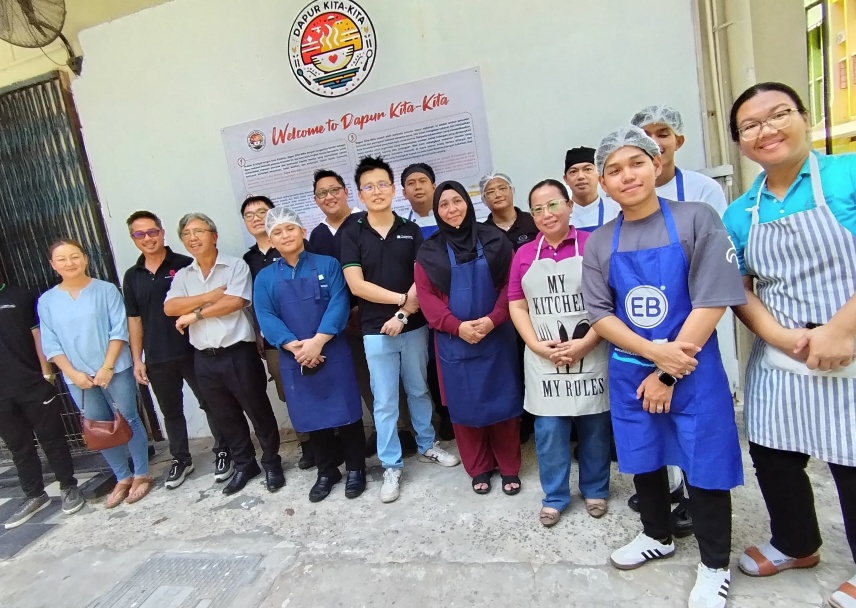
Moved by these struggles, they decided to act. Koh and Chong, along with a dedicated team, converted a corner shop in Bandaran Berjaya into the kitchen’s base. They rented a small space and set up a container kiosk to handle daily food distribution. (Malay Mail)
What makes Dapur Kita-Kita especially notable is the strength of its collaborators. Five-star hotel chefs, drawn from the Sabah Chef Association including chefs from Hyatt Regency Kinabalu, Shangri-La's Rasa Ria, and Nexus Karambunai Resort volunteer their time. (Malay Mail) Their commitment ensures that what’s given away isn’t just rice and plain curry: the menu features well-balanced, carefully prepared meals such as green curry chicken, tempura crab sticks, and even corned beef stew. (Malay Mail)
Funding comes from Jetsin, through its CSR budget, with the company covering the costs of ingredients daily. Organizers estimate a daily operational cost between RM 1,000 to RM 2,000 to produce those 200 meal packs. (Daily Express)
Serving More Than Food: Restoring Dignity
Distribution happens Monday to Saturday between 11:30 a.m. and 1:30 p.m. at the Bandaran Berjaya location. Recipients only need to present their MyKad (identity card) for registration no other documentation or proof of need required. (Malay Mail)
This low-barrier model is intentional. The founders emphasize that meals should be available to “anyone, no questions asked.” (Malay Mail) For many, the kitchen fills a critical gap: people working in the city often send most of their earnings home, leaving little for daily necessities. (Daily Express)
At the official launch in February 2025, Her Highness Paduka Puteri Tunku Mariamz praised the initiative, noting its potential to “eradicate hunger and contribute toward national goals to reduce poverty.” (Borneo Post Online) She also called on corporate and governmental actors to provide sustained support so the kitchen could continue its mission.
By that time, the kitchen had already distributed over 13,000 meal packs, powered by more than 300 volunteers, including students, hotel workers, and NGOs. (Borneo Post Online)
Building Bridges in the Community
Beyond feeding people, Dapur Kita-Kita is forging a community. Because chefs come from high-end hotels and volunteers include people from different backgrounds, the project brings together unlikely allies. (Daily Express)
The initiative also aims to be more than a one-off charity kitchen. Founders envision it evolving into a central hub that supports other NGOs across Sabah, especially during disaster relief or large-scale food insecurity crises. (Daily Express)
Inclusivity is baked into its design. The meals are halal to serve the local Muslim population, but the kitchen is open to volunteers from all backgrounds. (Daily Express)
Transparency, too, is a priority. Koh has emphasized trust and accountability. He told Malay Mail that they want community partners to feel confident to collaborate, and they are open to sponsorships to make the operation sustainable. (Malay Mail)
Challenges Ahead
Even with strong momentum, Dapur Kita-Kita faces critical challenges, especially around sustainability. While Jetsin covers current costs, relying on a single corporate donor is a fragile model. (Daily Express)
Scaling the operation for example, to include meal deliveries or expand to other regions will require additional partners. Koh and Chong have expressed hope that NGOs and local businesses will step in. (Malay Mail)
Logistics is another concern. Running a soup kitchen properly requires reliable supply chains, food safety infrastructure, volunteer coordination, and ongoing funding. Without careful planning, the initiative could be at risk if demand rises sharply.
Why Dapur Kita-Kita Matters
Addressing Hidden Poverty
Many of those who rely on Dapur Kita-Kita are not visibly homeless. They are underserved urban workers, saving money to send home. This “hidden poverty” is often overlooked by welfare systems.
Leveraging Local Expertise
By involving professional chefs, the kitchen ensures nutritious, high-quality meals not just survival food. That elevates the dignity of service.
Model for Corporate Social Responsibility
Jetsin’s role shows how private-sector companies can meaningfully contribute through CSR. Rather than a one-off donation, the company provides ongoing funding as part of its core business operations.
Volunteer Empowerment
The initiative brings together individuals from different social strata, giving volunteers from students to hotel staff a sense of purpose and belonging.
Dapur Kita-Kita proves that change doesn’t have to be grand to be powerful. This is not a flashy government program, nor is it a large-scale NGO campaign. It’s a humble kitchen, built on human stories, professional skill, and corporate goodwill. And yet, its impact already resonates beyond the meals it serves.
When someone who works in construction or a hospital corridor receives a packed lunch from Dapur Kita-Kita, they are not just filling their stomach. They are being seen. Their struggle matters.
In a world where poverty often hides in plain sight, this kitchen is a reminder: compassion is not charity when it is sustained. It is justice.
If Dapur Kita-Kita can grow with more support, it may not just feed hundreds per day it can become a beacon for community-led social change in Sabah and beyond.
And for Kota Kinabalu, that may be the most nourishing thing of all.
AM World (tameer.work88@gmail.com) is a content creator under the Newswav Creator programme, where you get to express yourself, be a citizen journalist, and at the same time monetize your content & reach millions of users on Newswav. Log in to creator.newswav.com and become a Newswav Creator now!
The User Content (as defined on Newswav Terms of Use) above including the views expressed and media (pictures, videos, citations etc) were submitted & posted by the author. Newswav is solely an aggregation platform that hosts the User Content. If you have any questions about the content, copyright or other issues of the work, please contact creator@newswav.com.