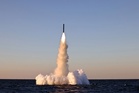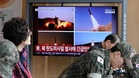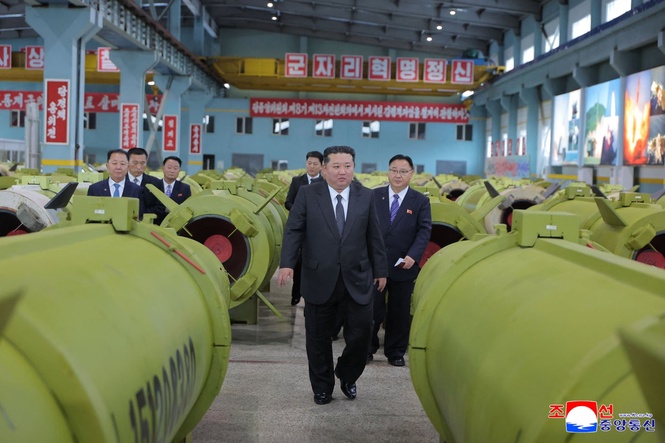
North Korea claims to have successfully conducted an underwater test of a new high-speed torpedo mechanism that uses artificial intelligence for target detection and guidance, according to a state media report on Saturday.
The test-firing of Zam-2.0, a "super-speed, precisely guided" system took place on Thursday and heralded a “significant” change in Pyongyang’s naval capabilities, reported the Korean Central News Agency, without providing more details on the weapon’s use of artificial intelligence.
The state media report framed the test as a final operation to confirm the viability of the weapon's propulsion systems, following more than 180 evaluations over the past five years.
According to KCNA, key defence officials who oversaw the weapons test assessed that it “served as a great success, foreseeing a significant change in the actual development of the Navy".
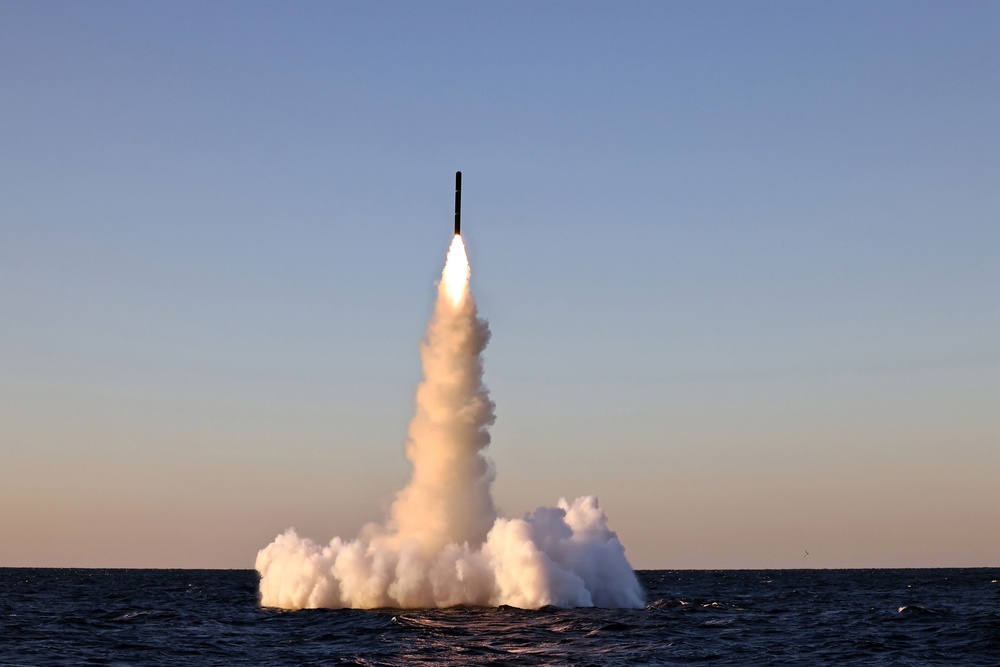
“The test proved the core technology for raising the efficiency of propulsion and the performance of rocket propulsion devices," reported KCNA.
South Korea’s military, which regularly accuses the North of overstating its technological advances, offered no immediate comment on the report.
Pyongyang has been escalating its military displays in recent weeks, including conducting its first underwater missile trials in almost three years, as leader Kim Jong Un redirects his regime’s focus on maritime strength following a prolonged period of ballistic missile advancement.
"The test launch appears to have been intended to flaunt its super-speed AI-driven torpedo, which is difficult to detect in advance and avoid, targeting the South Korean Navy's major surface ships," Lim Eul-chul, a professor at the Institute for Far Eastern Studies at Kyungnam University, told the Korea Times.
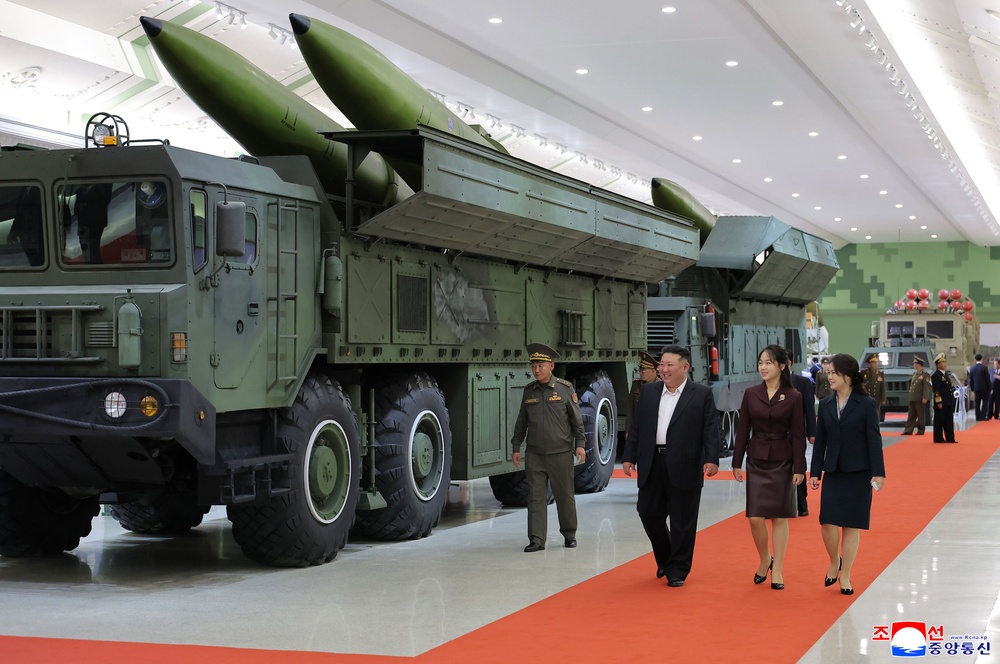
Analysts believe the missile tests likely featured a yet-to-be-deployed submarine Pyongyang says is built to launch nuclear arms.
Experts also believe that the newly tested weapon could be a “supercavitating torpedo”. According to Yonhap, this refers to a torpedo that creates air bubble in the nose to overcome water resistance, thereby travelling at a higher speed than conventional projectiles.
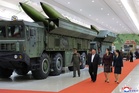
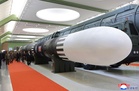
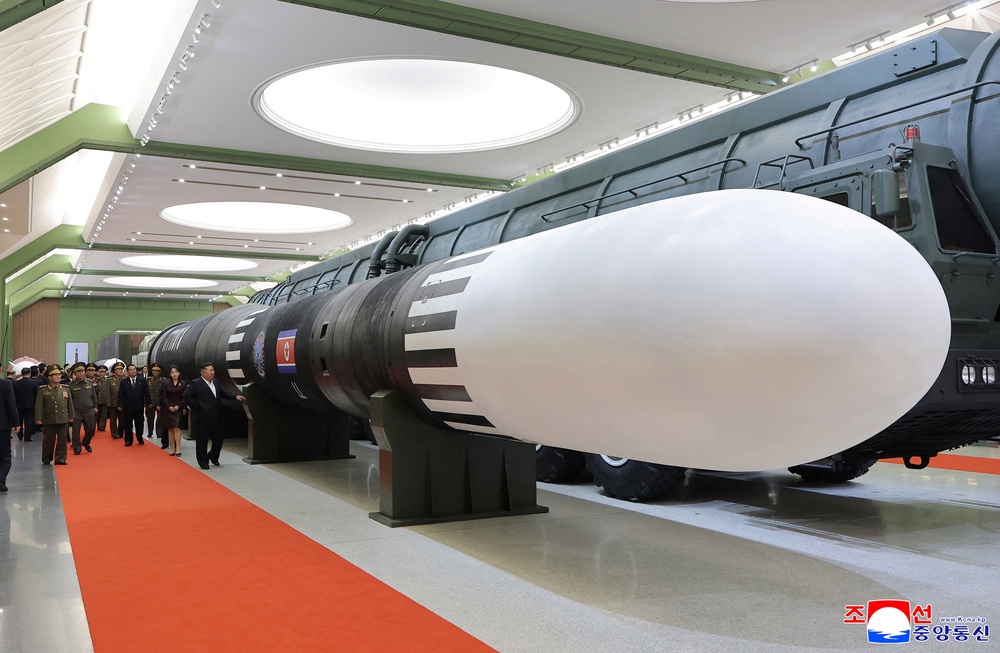
Earlier this month, Kim Jong Un’s powerful sister Kim Yo Jong announced the AI-assisted launch of an intermediate-range hypersonic missile system with various ranges.
However, some experts have expressed doubt over the country’s claims when it comes to advanced weaponry. Other countries have faced significant technical challenges in the development of such high-speed torpedoes, including maintaining effective guidance and control at high speeds underwater.
The latest development comes amid the backdrop of a possible meeting between US president Donald Trump and the North Korean leader at the Asia Pacific Economic Cooperation summit in China next month. Earlier this week, Mr Trump teased that he “may” meet the North Korean leader during his Asia tour in November.
Mr Kim has so far publicly rebuffed Mr Trump’s attempts to revive their diplomacy, which broke down in 2019. His government has called for Washington to abandon its “hostile” policy towards Pyongyang and drop demands for North Korea’s denuclearisation as a precondition for talks.
Mr Kim also halted all diplomacy and cooperation with South Korea and described it as a permanent enemy, as a years-long stalemate in nuclear negotiations with Washington drags on.
Read MoreNorth Korea tested new ‘super-speed’ torpedo system powered by AI
Army officer suspended after leaving his post 64 times to ‘feed lizard’
China proposes export controls on AI, solar and biopharma amid rising trade tensions
China says it ‘may easily win’ war with Philippines but insists it ‘loves peace’
South Korea mall stabbing suspect says he attacked people for attention
New bridge opens between China and North Korea after 12 year wait