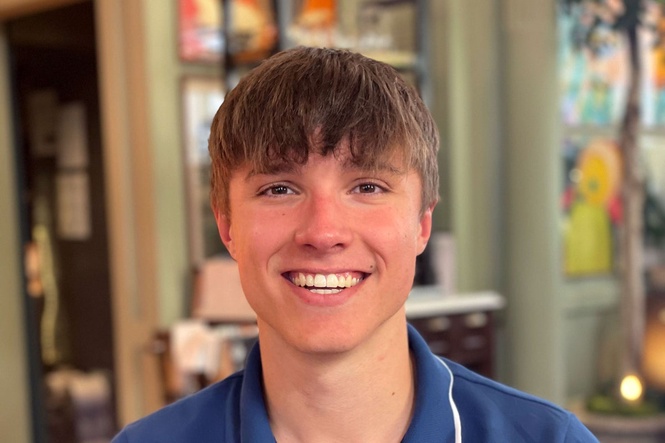
The death of a student stabbed in the Nottingham attacks might have been prevented if he had received different medical treatment at the scene, a panel of experts found.
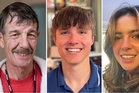
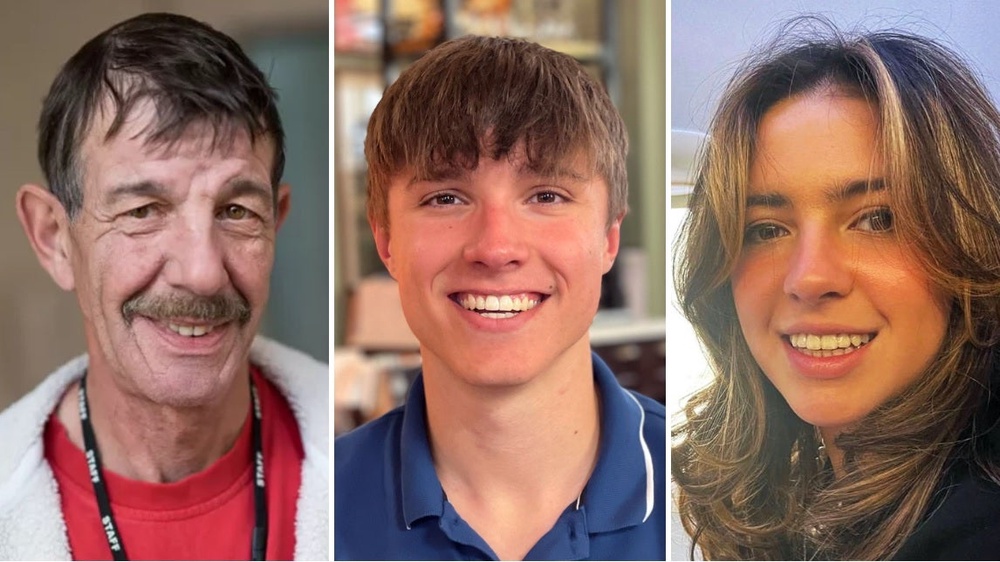
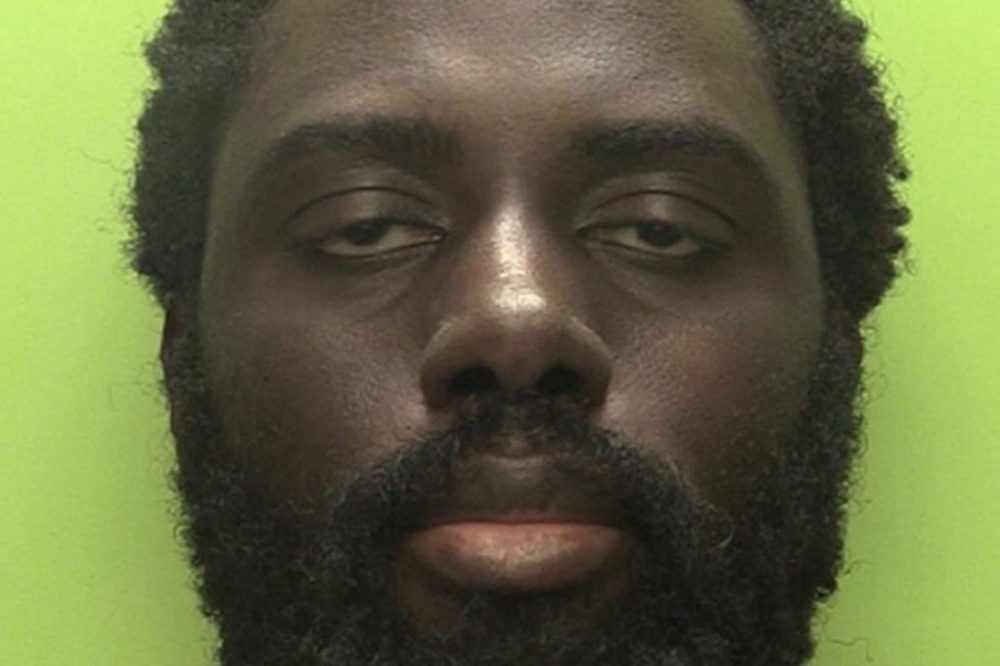
Paranoid schizophrenic Valdo Calocane, was detained under mental health laws four times before he stabbed students Barnaby Webber and Grace O’Malley-Kumar, both 19, in the early hours of 13 June 2023 while they were on the way home from a night out.
He then went on to stab school caretaker Ian Coates, 65, then stole his van and used it to try to murder three pedestrians.
The inquiry into the attacks heard that Mr Webber went into cardiac arrest on at least one occasion after he was stabbed and he could not be resuscitated in the ambulance on the way to Queen’s Medical Centre.
A panel of experts who analysed his care concluded that while all responders worked together to deliver compassionate and efficient care to Mr Webber, there was a “small chance” Mr Webber could have survived if fluids his were replaced at the scene.
The probe, which has heard evidence from 164 witnesses over more than three months, was told of a series of failings by police, mental health services and other public authorities.
Counsel to the inquiry, Rachel Langdale KC, also revealed new evidence to the inquiry, previously undisclosed by police, including documents created by Calocane detailing his “thoughts” on TNT and nitrate fertiliser explosives, that were found in a bag and bin at his home in June.
Notes written by Calocane also claimed he was “a God” and that he “should die”. Calocane also made references to mathematical equations and some content noted as “more rational” by the inquiry KC. Others included his thoughts on artificial intelligence, the economy and break-ins at his home.
The inquiry heard the documents were not considered relevant by police, so were not passed to the senior investigating officer, the Crown Prosecution Service or the experts who assessed Calocane’s mental health after his arrest.
Chair of the inquiry, Judge Deborah Taylor, is expected to publish her final report early next summer, but may make interim recommendations sooner.
Ending her submissions, Ms Langdale said the inquiry process had “uncovered failure after failure”, adding "Barney, Grace and Ian should be alive and the survivors uninjured.”
Presenting the findings of an expert panel charged with looking at the emergency services response to the attack, Langdale KC told the hearing Dr Claire Park, a consultant in pre-hospital emergency and intensive care, was provided with the victims’ medical records and witness statements to determine, along with an expert panel, “whether it was likely Barney, Grace or Ian would have survived had (medical) treatment been commenced earlier”.
Ms Langdale said Mr Webber’s death was categorised as “potentially preventable” by the panel.
She said the panel found that if volume resuscitation, which is when fluids are replaced in the body, was more aggressive at the scene, he could have made it to the hospital “thus allowing for a decision to immediately operate”.
She added that the panel found “rapid and meticulous steps” would have been needed for him to survive on the way to intensive care.
Ms Langdale told the inquiry: “There was a small chance, far less than 50 per cent, that Barney could have survived his injuries.”
The inquiry heard that the panel concluded Ms O’Malley-Kumar would not have survived her injuries if found at the same time as Mr Webber and that Mr Ian Coates’ death was not preventable due to the severity of his injuries.
‘Undisclosed evidence’
Police were criticised for failing to disclose the documents found at Calocane’s address in 2023, which were only submitted to the inquiry in June this year.
Professor Nigel Blackwood, who assessed Calocane and gave evidence at his trial, was not given the documents found at his property, so he was not able to question Calocane about the contents at the time.
In evidence read out to the inquiry after seeing the new documents, Prof Blackwood reflected that the material was relevant; however, he said there was nothing in the notes that fundamentally changed his understanding of Calocane or called into question the nature of his mental disorder.
The inquiry’s KC described this as an “important omission, and one which simply cannot be remedied”.
In his closing speech, Tim Moloney KC, who represents the bereaved families, said a note made by Calocane on one of the sheets of paper appeared to say “Manchester Arena”.
He also said the killer searched online for large venues in Nottingham, and had bookmarks on his web browser for the Albert Hall Conference Centre in the city and the Theatre Royal and Royal Concert Hall.
Mr Moloney told the hearing: “There was a failure to investigate VC’s [Valdo Calocane] historical behaviour and actions.”
He added that “no-one asked VC why he was searching for explosives and large venues because they couldn’t”, referencing the police’s failure to share the information.
Mr Moloney said it was a “significant failure” that psychiatrist Prof Blackwood was not shown videos of Calocane’s previous violent behaviour, including an assault on a police officer.
The inquiry also heard that further violent assaults by Calocane on colleagues at warehouses were not disclosed to the inquiry team until after the evidence had finished.
The inquiry has also heard newly disclosed evidence from Nottinghamshire Healthcare NHS Foundation Trust, which runs the mental health services responsible for Calocane, before the attack.
The hearing was told of evidence from ex-staff who alleged that the Early Intervention in Psychosis team, from which Calocane had been discharged months before the killings, had not been meeting national standards for years before the attack - an issue “widely known at the trust”.
Evidence from one manager referred to a different community team, called the assertive outreach team, which deals with high-risk patients who are considered to be harder to engage with services, that “pressure was inappropriately unsafe”.
The evidence referred to pressure on the assertive outreach team to discharge patients who did not engage with the service.
The closing submissions continue.