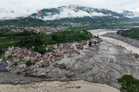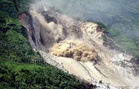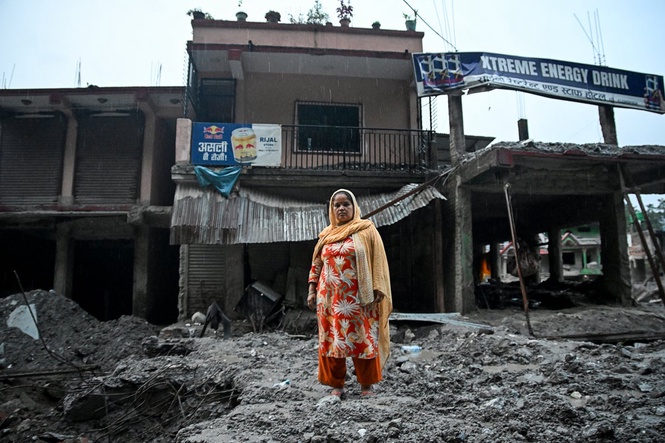
Thousands of grieving Nepalis are still struggling to come to terms with the scale of the losses caused by last month’s catastrophic floods, which tore through the Nepal-Tibet border and left widespread devastation in their wake.
The deadly floods in Nepal’s Bhote Koshi River on 26 August killed at least 1,453 people and left more than 6,000 others, including hundreds of foreign nationals, missing.
Those still missing include 33 Britons, 80 Americans, more than 50 Ukrainian nationals, as well as Australians and Indians, with most presumed to have been swept away by the tsunami-like waves that destroyed towns and villages in Rasuwa and Nuwakot.
Nepal's disaster management agency says only 112 bodies – of any nationality – have been handed over to their families following DNA tests. Despite technical assistance provided by China and India, identifying the dead amid such devastation has been a challenge.
The other 1,333 bodies founds so far have been temporarily buried pending identification. In neighbouring China, officials reported 261 foreign nationals among the missing.
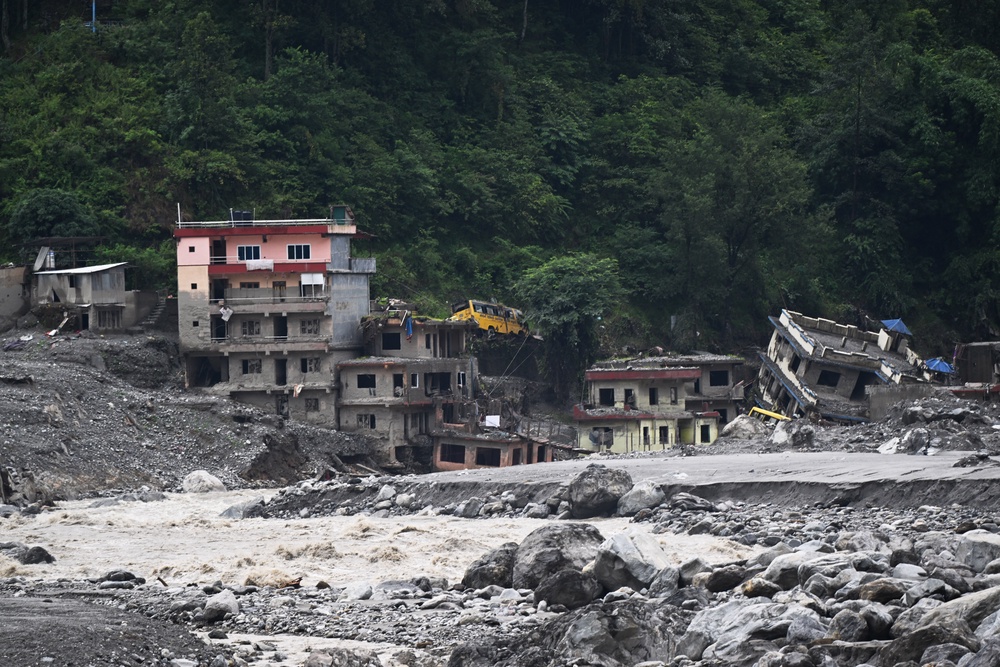
Pramod Poudel, 34, from Uckfield in East Sussex, said he does not believe his missing family members will be found. He travelled to Nepal to join the search after losing contact with his wife Sumitra, mother Tulisa, brother Pardip and uncle Madhav.
He told BBC News: "My heart is still saying that there might be something there, but I have to be realistic and accept that they are not there anymore.
"It was very hard to see all of the people in my community, and all of the houses that have been destroyed," he added.
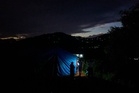
Nepal's government is also struggling to re-home and provide support to an estimated 33,000 displaced people, many of whom have spent the past month in tents at rehabilitation shelters.
The UK Foreign Office said it was coordinating closely with the Nepali and Chinese authorities “as they lead the recovery and identification effort”.
“The scenes along the Nepal-China border are devastating and our thoughts remain with all those affected by this tragedy, and with those still waiting for news of loved ones,” a spokesperson told The Independent.
"Supporting British nationals and their families remains our highest priority, and our staff continues to provide consular support to those affected.”
Pasang Maya Tamang, 32, who lost her young son in the floods, said she still dreams of him pleading for help.
"The body of my son has been recovered, but I was not able to see him for the last time. I am very sad about that. I hear in my dreams him [asking] why I left him alone," Mr Tamang said at a shelter home in the flood-affected town of Nuwakot.
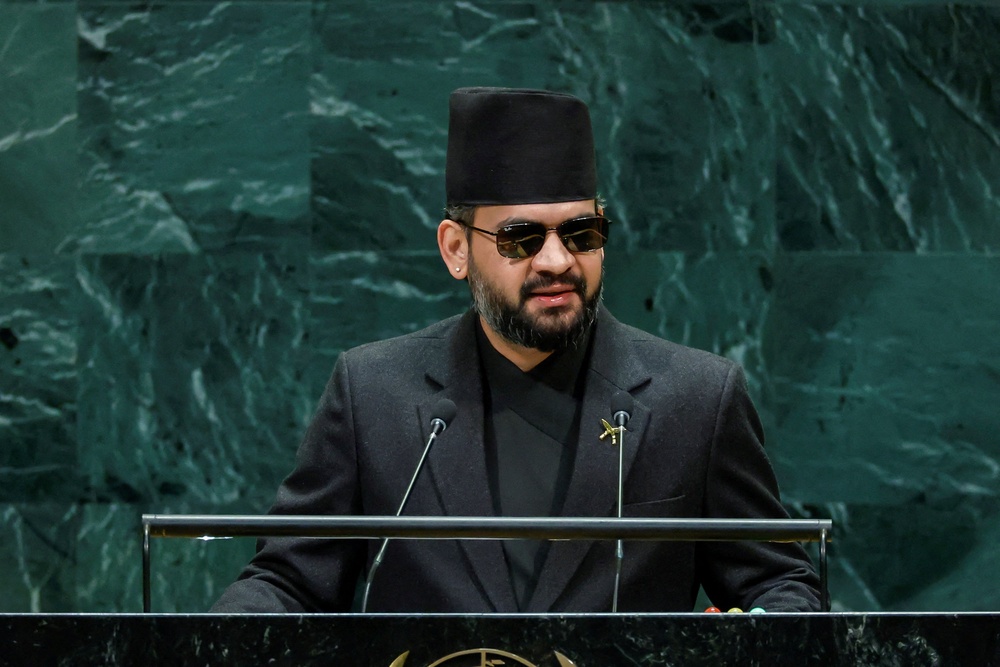
Prime minister Balendra Shah used his first address to the UN General Assembly this week to highlight the flooding as a warning about the growing risks of the climate crisis, and to demand justice.
“The disaster was not just a local tragedy, but a warning to the world," Mr Shah said. "I ask you today: Have we really heard that warning?"
Mr Shah also called for greater international support for Nepal's recovery and stronger regional cooperation to prepare for climate-related disasters. "Climate change does not recognise borders. Glaciers and floods do not travel with stamps and passports," he said.
The Nepal government estimates reconstruction and recovery will cost $4.77bn.
Mr Shah, 36, the youngest head of government to address the General Assembly this year, said Nepal contributed less than a tenth of one per cent of global greenhouse gas emissions.
Nepal is demanding $20m, the highest amount available for a single disaster, from the global fund for responding to loss and damage.
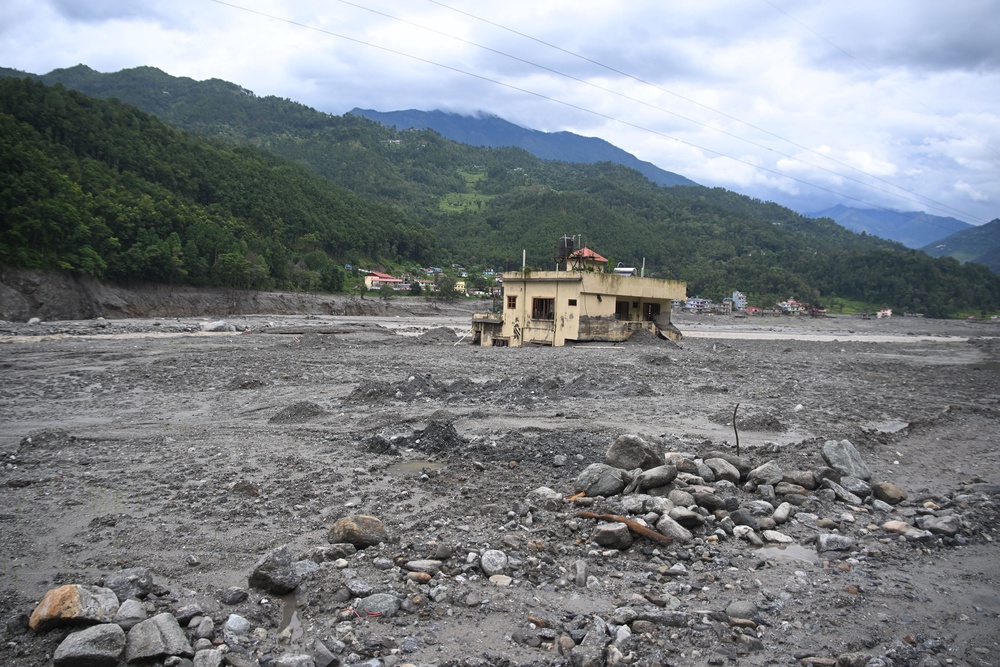
More than 800 people employed at 12 hydropower projects in Nepal are still unaccounted for, the country's energy minister told parliament.
Rescue teams were still continuing to comb through the ruins, with additional vehicles and helicopter deployed for mobilisation of explosives, fuel, equipment and specialised personnel.
"The government has accorded high priority to the search and rescue of people trapped inside underground hydropower structures or otherwise missing because of the disaster," said Biraj Bhakta Shrestha.
The rescue of a Chinese national from a tunnel on the 12th day after the floods, following the discovery of two hydropower plant employees alive on the 10th day, had raised fresh hopes of finding more survivors. But those hopes now appear to be fading.
Forty-seven bodies have been recovered from flood-hit project sites, according to reports.
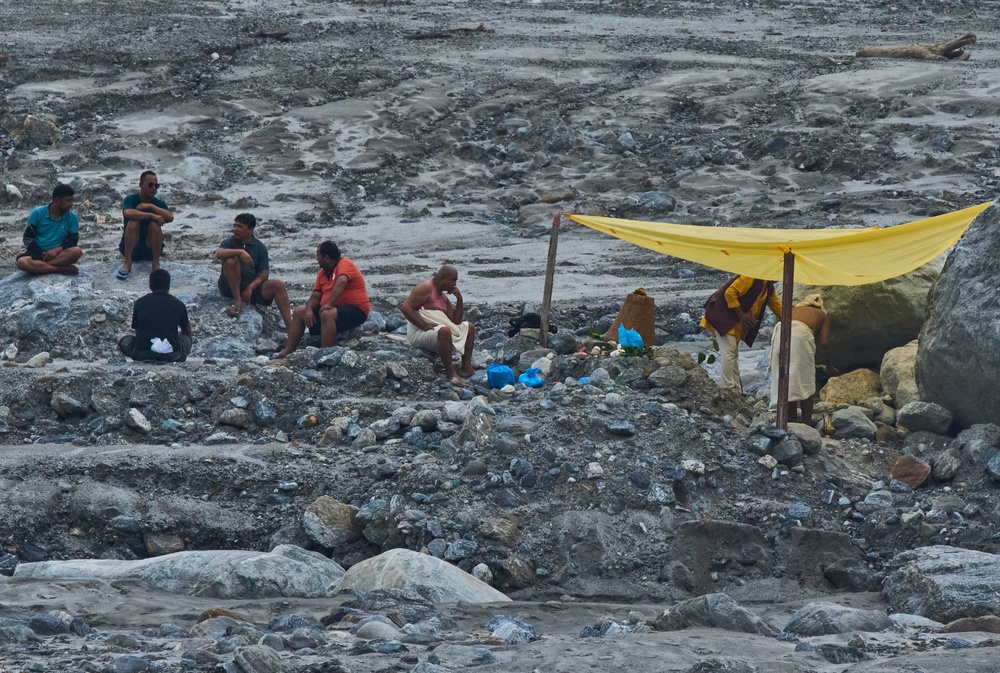
The floods severely damaged Nepal’s hydropower sector, a crucial driver of economic growth and an increasingly important source of export revenue.
Aid agencies have warned that further heavy rainfall forecast in the coming days could increase the threat of landslides, making it harder for help to reach areas where roads have already been damaged by the floods.
“The floodwaters may have receded, but for thousands of people, the crisis is far from over,” David Fisher, head of delegation for the International Federation of Red Cross and Red Crescent Societies in Nepal, said Friday.
“It is urgent to take the next steps in the recovery process to keep people healthy and avoid a spiral into poverty.”
Ishmita Shah, a roads engineer, said crews have been working with Nepal's army since the second day after the floods to reopen routes in affected areas.
Ms Shah said bridges were being built to improve access to the worst-affected areas and make it easier to transport relief supplies. But the work remains difficult, with more bad weather expected in the coming days, she said.
"The upcoming few days are going to be very challenging because of the weather, but we are fully prepared for that too," she said.
Read MoreTaiwan celebrates after Xi Jinping leaves US empty-handed
Why are Pakistan and Afghanistan fighting – and what could happen next?
Nepal’s deadly floods are ‘a warning to the world’, PM tells UN
Trump and Xi clash over AI at tense US state visit
A month after Nepal-Tibet floods, families await answers over 50 missing Ukrainians
At least four killed as Pakistan launches airstrikes on Afghanistan