
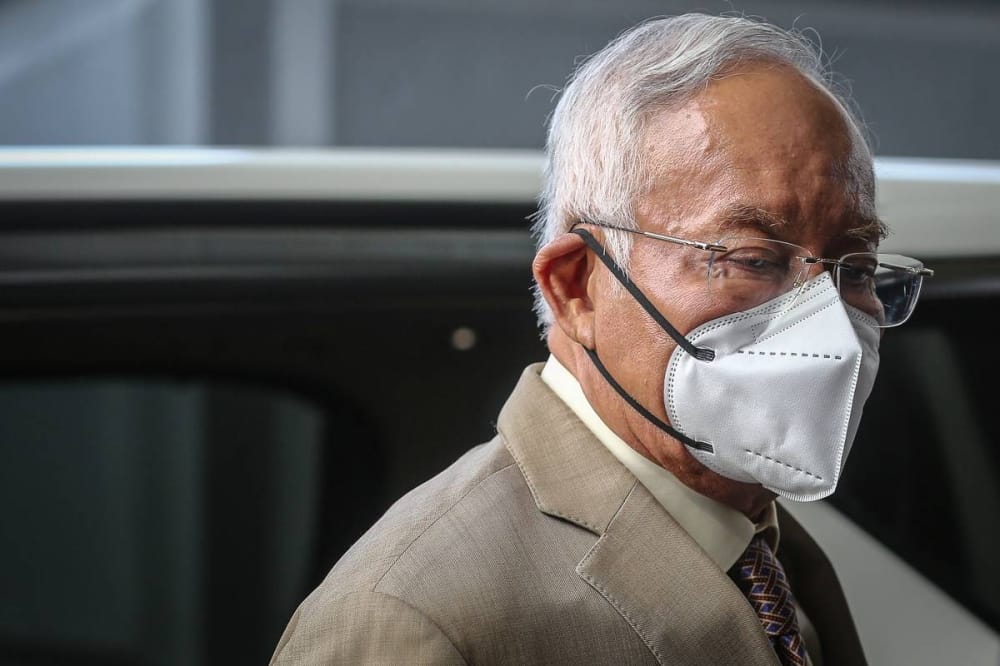
In a world driven by fast-paced news cycles and endless political debates, moments arise that strip away titles, influence, and controversy, leaving behind a stark reality: the shared fragility of human existence. Health crises have a unique way of cutting through hyper-partisanship and commanding collective reflection. Whether it is a global public health challenge or a personal medical emergency faced by a prominent public figure, physical vulnerability remains the ultimate equalizer. When a human body falters, neither past accolades nor present incarceration alter the fundamental need for care, dignity, and specialized medical attention.
For Malaysians, news surrounding the health of key national figures often reverberates well beyond courtrooms and parliamentary halls. It prompts quiet conversations in coffee shops, sparks intense discourse on social media platforms, and tests the resilience of public institutions tasked with delivering equitable care. The news that former prime minister Datuk Seri Najib Razak is scheduled to undergo a specialized medical procedure has once again drawn the public's focus toward the delicate intersection of medical care, custodial responsibility, and national compassion.
Understanding the Upcoming Medical Procedure
The recent developments regarding the former prime minister’s health condition have drawn widespread national attention as details emerged through formal channels. According to official reports, former prime minister Datuk Seri Najib Razak is scheduled to undergo a heart procedure at Serdang Hospital. His legal representative, Farhan Shafee, confirmed that the procedure would take place, while emphasizing that his family has sought privacy during this sensitive time.
Providing further clarity on the medical details, his wife, Datin Seri Rosmah Mansor, shared in a public social media statement that the upcoming procedure aims to remove plaque detected near a blood vessel. Rosmah expressed deep appreciation for the outpouring of prayers and words of support from well-wishers across the country. Meanwhile, Najib’s special officer, Ahmad Lutfi Azhar, assured the public through a media statement that he remains in stable condition prior to the scheduled procedure.
This is not the first time his health status has prompted medical intervention while in custody. Over the past few years, the former leader has required specialized monitoring for various medical conditions, including blood pressure fluctuations and gastrointestinal issues. In previous instances, he was referred to Kuala Lumpur Hospital for urgent blood pressure assessments and subsequently spent time receiving specialized therapy at the Cheras Rehabilitation Hospital. These recurrent medical requirements highlight the complex logistics involved when high-profile individuals require continuous specialized care within the public healthcare framework.
Social, Institutional, and Legal Perspectives on Inmate Healthcare
From an institutional standpoint, managing the healthcare needs of incarcerated individuals presents a multifaceted challenge for correctional authorities and public healthcare providers alike. In Malaysia, as in many constitutional democracies, the fundamental right to necessary healthcare extends to every individual, regardless of legal status. Legal scholars and civil society analysts often point out that while imprisonment restricts personal liberty, it does not strip an individual of basic human rights, particularly the right to essential medical treatment.
Organizations evaluating institutional standards have frequently discussed the operational demands placed on correctional facilities. Research by human rights bodies highlights that ensuring adequate healthcare access for incarcerated individuals remains an essential duty of the state, requiring seamless collaboration between the Ministry of Home Affairs and the Ministry of Health. When specialized tertiary care is needed such as advanced cardiovascular treatment custodial authorities must balance strict security protocols with the imperative to provide timely, high-quality medical care.
The choice of treatment facilities also reflects the capability of Malaysia’s public medical system. Hospital Serdang, known formally as Sultan Idris Shah Hospital, stands as one of the country's primary tertiary cardiovascular referral hubs. Despite past infrastructure and operational challenges reported across public healthcare facilities, the Serdang Heart Centre remains a critical center for complex cardiac care. The facility serves thousands of patients from across the nation, demonstrating the strength of Malaysia's public health infrastructure even as efforts continue to maintain and upgrade specialized operating capacity.
The Broader Legal Journey and Cultural Context
To understand the intense public interest surrounding Najib’s health, one must consider the broader legal context of his ongoing incarceration. Najib, 72, is currently serving a reduced six-year prison sentence following his conviction in the SRC International Sdn Bhd case. In early 2024, the Federal Territories Pardons Board reduced his initial 12-year jail term to six years and lowered his fine to RM50 million, setting his current release date for August 2028, provided fine requirements are satisfied.
At the same time, his legal battles remain ongoing in the judicial system. His defense team continues to pursue appellate avenues, including filing applications to introduce fresh evidence in his 1MDB appeal bid. The convergence of high-stakes legal proceedings with serious health concerns creates a nuanced narrative that captures the attention of observers across political spectrums.
Culturally, Malaysian society places high value on empathy, respect for elders, and compassion during times of illness. Regardless of political affiliations or opinions regarding judicial outcomes, news of a person undergoing a heart procedure inherently evokes human concern. Family members, including his wife and children, have repeatedly called for privacy and prayers a request that resonates deeply in a society where family solidarity during medical trials is held in high esteem. As media reports continue to provide updates, the focus remains firmly on medical care, professional medical ethics, and the quiet dignity of recovery.
Reflection on Humanity, Law, and Compassion
Moments like these invite us to look beyond immediate political headlines and reflect on the values that define a mature, compassionate nation. Society is often judged by how it handles the intersection of justice, authority, and human vulnerability. When a person faces a medical procedure, the primary concern shifts naturally to their health, recovery, and well-being.
The story of a former leader facing health complications while serving a sentence highlights the delicate balance every constitutional democracy must maintain: enforcing the law with firmness while extending medical care with unwavering compassion. It reminds every Malaysian that beneath the layers of political legacy, judicial trials, and public discourse, we are all human beings subject to the same physical vulnerabilities. As the scheduled medical procedure approaches, the hope shared by many across the nation regardless of background is for a smooth procedure, a full recovery, and the continued professional handling of all healthcare and custodial responsibilities.
What Do You Think? I’d Love to Hear Your Opinion in The Comments Section.
Health challenges have a profound way of unifying human perspectives. They remind us that beyond political debates, courtroom judgments, and headlines, every individual deserves access to dignified medical care and basic empathy when facing health difficulties. As Malaysia continues to mature as a nation, the ability to separate political opinions from basic human compassion remains a key indicator of our social and cultural growth.
When we observe how institutions handle high-profile medical cases, we gain insight into the strength of our public healthcare system and the integrity of our correctional standards. The dedication of Malaysian doctors, nurses, and medical personnel who work tirelessly in facilities like Serdang Hospital reflects the best of our national values care, professionalism, and equal commitment to every patient's health.
As this story continues to unfold, it invites each of us to reflect on the balance between justice, empathy, and respect for human dignity. How we respond to health crises faced by others whether public figures or everyday citizens defines our collective character as a community.
AM World (tameer.work88@gmail.com) is a content creator under the Newswav Creator programme, where you get to express yourself, be a citizen journalist, and at the same time monetize your content & reach millions of users on Newswav. Log in to creator.newswav.com and become a Newswav Creator now!
The User Content (as defined on Newswav Terms of Use) above including the views expressed and media (pictures, videos, citations etc) were submitted & posted by the author. Newswav is solely an aggregation platform that hosts the User Content. If you have any questions about the content, copyright or other issues of the work, please contact creator@newswav.com.