

On October 28, Tun Dr. Mahathir stated that with Sarawak now having achieved high-income status, it should assist Malaysia’s more economically disadvantaged states in their development efforts. “Sarawak is already making a lot of money. Its budget is RM11 billion. That is very high, compared with, say, Kedah, whose budget is only RM700 million,” Mahathir told FMT in an interview. “We have to remember that Malaysia is a federation. The richer states must share their wealth with the poorer ones,” he added. However, this was not always the case. “Initially, of course, both Sarawak and Sabah were poor, and the federal government had to support them. Now, they are no longer poor, and it is time that they support the poorer states,” he said.
Sarawak’s new high-income status was confirmed in July, when the World Bank office in Malaysia published data showing Sarawak had the fourth highest per capita gross national income (GNI) at US$16,560 (or RM77,997 based on the July exchange rate). Kuala Lumpur topped the list with US$29,967 (RM141,144), followed by Labuan at US$19,117 (RM90,041) and Penang at US$16,660 (RM78,468). Selangor came in fifth with US$14,291 (RM67,310). The bottom three states were Kedah, Perlis, and Kelantan.
While Tun Dr. Mahathir argues that wealthier states like Sarawak should support poorer states, there’s a case to be made for Sarawak: Sarawak simply isn't OBLIGATED to help poorer states develop their respective economies. As a high-income state, Sarawak has every right to determine how it allocates its resources, particularly as it faces its own unique challenges. In this article, I wish to explore a few reasons why Sarawak isn't OBLIGATED to help economically-disadvantaged states:
1.The people of poor states “reap what they sow”
Since Tun Dr. Mahathir brought up Kedah in his interview, let’s take a closer look at the state’s economic challenges. According to the 2022 poverty report by the Department of Statistics Malaysia (DOSM), Kedah has the highest rate of absolute poverty in Peninsular Malaysia after Kelantan. Its poverty rate rose from 8.8% in 2019 to 9.0% in 2022, surpassing the national average of 8.4%. Furthermore, in 2024, PMX noted that 2,500 households in Kedah remain classified as hardcore poor. Kedah has also struggled in the job market, with little improvement over the past three decades. The state’s unemployment rate dropped by just 0.1%—from 4.5% in 1990 to 4.4% in 2020, according to DOSM.
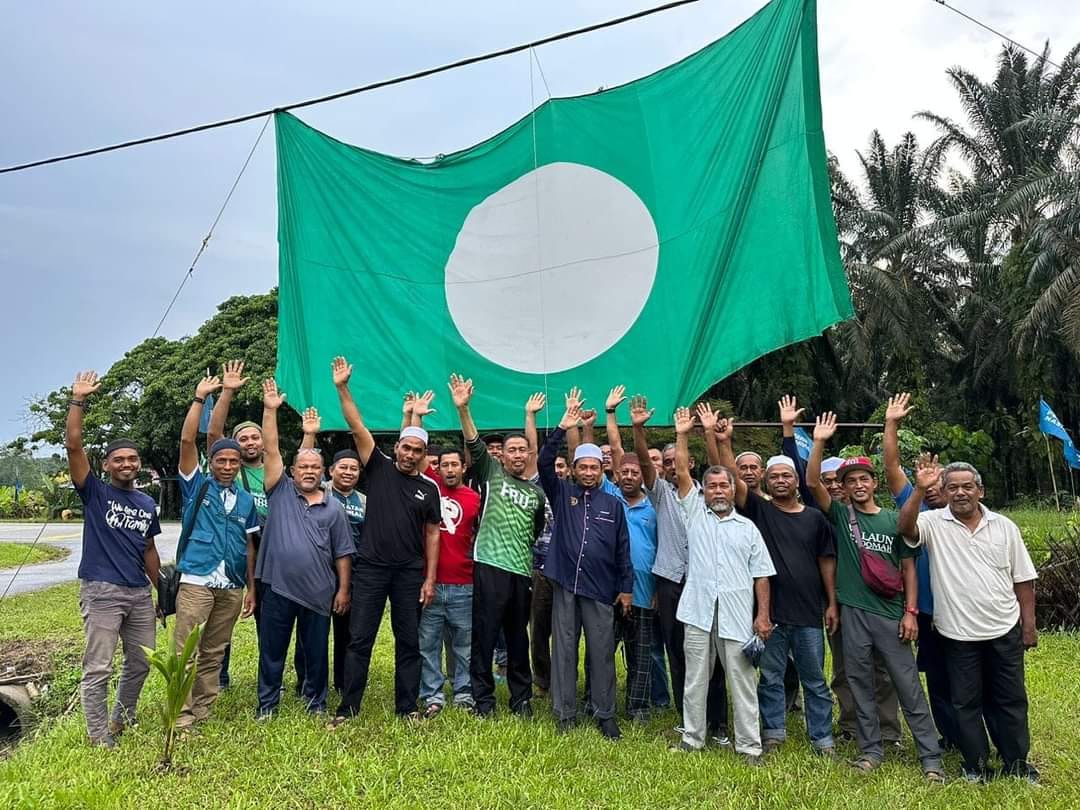
Since 2008, Kedah has been a swing state, alternating between PAS and Umno-led BN. However, data from GE15 indicates that the state has become predominantly “green,” with Kedahan Malays, who make up 77.7% of the electorate, largely siding with Perikatan Nasional (PN) and “defending” the state government led by PAS’s Sanusi. One 19-year-old first-time voter expressed his sentiments at the PAS Kedah headquarters, stating, “If we were to vote for the unity government, what’s going to happen to us Malays? The Chinese are going to kick us out. PAS will ensure that we Malay Muslims will be defended.”. This indicates that many Kedah voters resonate with the narrative that “Islam is under threat,” along with the ongoing emphasis on 3R issues propagated by PAS.
My question to the people of Kedah is this: why do you continue to elect leaders who seem indifferent to the well-being and progress of the state? Kedah has faced long-standing issues, including poor water resource management, extensive deforestation, job insecurity, youth migration, and rising poverty among semi-skilled and unskilled rural workers. Yet, despite these pressing challenges, voters in Kedah repeatedly choose leaders who focus solely on 3R issues and “defending Islam” without addressing the deeper problems facing the state. From the way I see it, Kedahans reap what they sow.
2. Sarawak has a high poverty rate
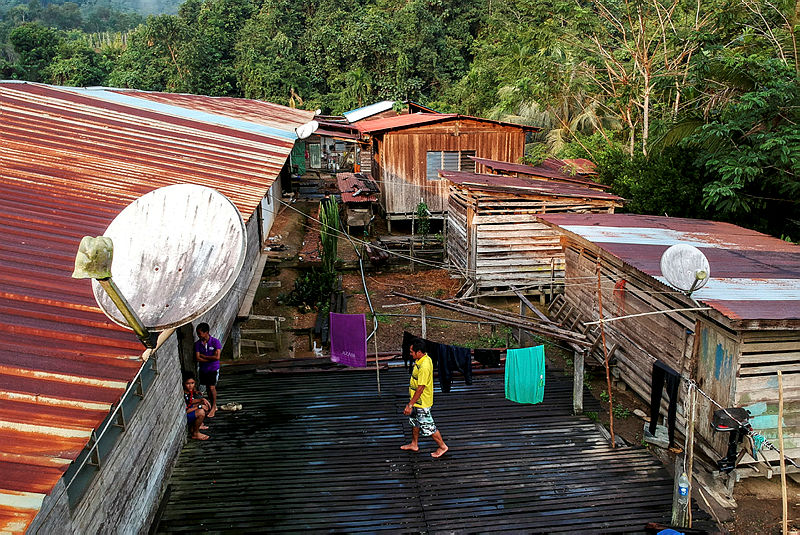
It may be surprising to learn that despite Sarawak's status as a high-income state, it had a poverty rate of 10.8% in 2022. In contrast, Perlis, which is not classified as a high-income state, recorded a significantly lower poverty rate of 4%. World Bank economist Apurva Sanghi, who shared the relevant data, highlighted this disparity, noting that while Sarawak enjoys high income, it also faces a substantial poverty challenge. Additionally, Sarawak's percentage of hardcore poverty exceeds the national level by 0.4%.
Not to mention, Sarawak faces an unemployment rate of 3.4%, which is higher than Kedah's rate of 2.9%. To make matters worse, Sarawakians often struggle to find suitable employment within their own state. Many in the local workforce encounter job offers that do not meet their salary expectations, undermining the value of their skills and discouraging them from staying in the region. Coupled with high taxes and a rising cost of living, this situation forces local talent to seek opportunities beyond the borders of Sarawak, often migrating to places like Johor Bahru, Selangor, or Kuala Lumpur, where the grass is greener.
With issues like these plaguing Sarawak, how can the state government assist others when there are problems brewing in its own backyard? Fortunately, Sarawak is blessed with competent leaders which Sarawakians have wisely chosen. The implementation of the Sarawak Digital Economy Strategy 2030 (PCDS 2030) aims to generate approximately 145,000 new high-income jobs from 2021 to 2030. Deputy Premier Datuk Amar Awang Tengah Ali Hasan emphasized the state's commitment to becoming a high-income region, highlighting the opportunities emerging from sectors such as the Digital Economy, Hydrogen, Blue Economy, and Green Economy.
3. Sarawak is the largest state in Malaysia
Sarawak is the largest state in Malaysia, covering an area of 124,449.51 square kilometers, which constitutes approximately 37.5% of the country's total land area of 329,750 square kilometers. Despite its size, the federal government allocated only RM5.9 billion to Sarawak, compared to RM6.7 billion for Sabah. A political analyst has pointed out that this allocation is unfair, considering Sarawak's larger size and population. This year, PMX announced plans to double the special grants for Sarawak and Sabah to RM600 million next year. However, it is important to note that the special grant for Sarawak has not been reviewed since 1969.
Sarawak's revenue primarily derives from the oil and gas sector. However, it's important to note that Sarawak was only permitted to levy sales tax on its oil and gas output starting in 2020, after it took legal action against Petronas and fought vigorously for this right. Additionally, Sarawak receives only 5% in oil royalty payments as stipulated under the Petroleum Development Act of 1974. Is it fair for Sarawak to receive just 5% in royalties from oil extracted within its own borders? Is the 5% royalty enough to develop the LARGEST state in Malaysia?
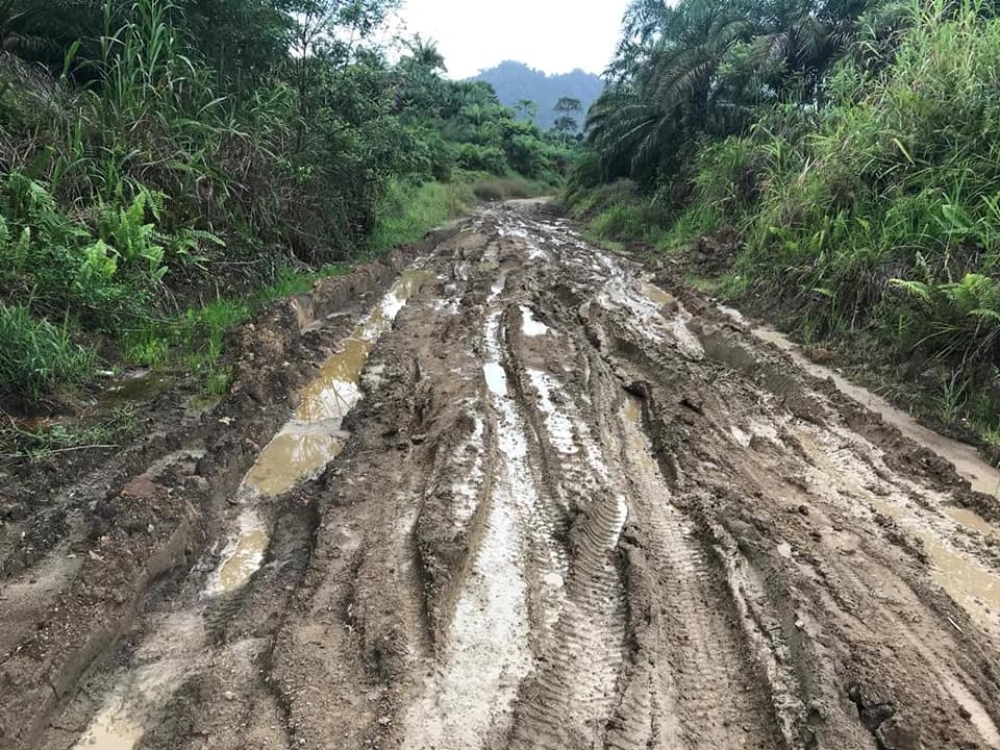
Sarawak is significantly underdeveloped, with 46% of the population in East Malaysia live widely scattered in the rural areas, compared to just 20% in Peninsular Malaysia and a national average of 29%. Access to these rural regions is often limited, as many areas can only be reached by government-subsidized rural air services or by boat. The road network in Sarawak is also inadequate; about 30% of its roads are gravel or earth. Given these challenges in its own backyard, how can the Sarawak government have the resources and capacity to assist other states? After all, the primary responsibility of the Sarawak government is to its own people, not to those in other states.
In conclusion, it's essential to recognize that Sarawak is not obligated to redirect its hard-earned resources to assist poorer states while grappling with pressing local issues. As Sarawak continues to face challenges such as high poverty rates, inadequate infrastructure, and a significant portion of its population living in rural areas, the primary focus of its government must remain on its own citizens. Furthermore, if Malaysia truly operates as a federation, then the autonomy of each state should be respected, allowing them to determine their own financial allocations. Sarawak's responsibility lies with its people, and any expectation for it to bear the financial burden of other states overlooks the realities of its situation. Ultimately, fostering a spirit of mutual support is crucial, but it cannot come at the expense of Sarawak's development and well-being.
Aaron Colt is a content creator under the Newswav Creator programme, where you get to express yourself, be a citizen journalist, and at the same time monetize your content & reach millions of users on Newswav. Log in to creator.newswav.com and become a Newswav Creator now!
The User Content (as defined on Newswav Terms of Use) above including the views expressed and media (pictures, videos, citations etc) were submitted & posted by the author. Newswav is solely an aggregation platform that hosts the User Content. If you have any questions about the content, copyright or other issues of the work, please contact Newswav.

