.jpeg)
Malaysia is not standing at the heart of the Strait of Hormuz crisis, but it can still feel its heat from a distance. For Kuala Lumpur, the waterway linking the Arabian Gulf to the Arabian Sea is not merely a line on a map or a distant headline. It is connected to fuel, shipping, insurance, commodity prices, and public confidence in the government’s ability to protect the economy when faraway seas become turbulent.
This is why Malaysia’s position toward the tension between the United States and Iran appears to be a careful attempt to combine quiet diplomacy, economic protection, and a sensitive balance with the Gulf Cooperation Council (GCC) states and the wider Islamic world. It is not a policy of loud alignment, but one of cautious positioning.
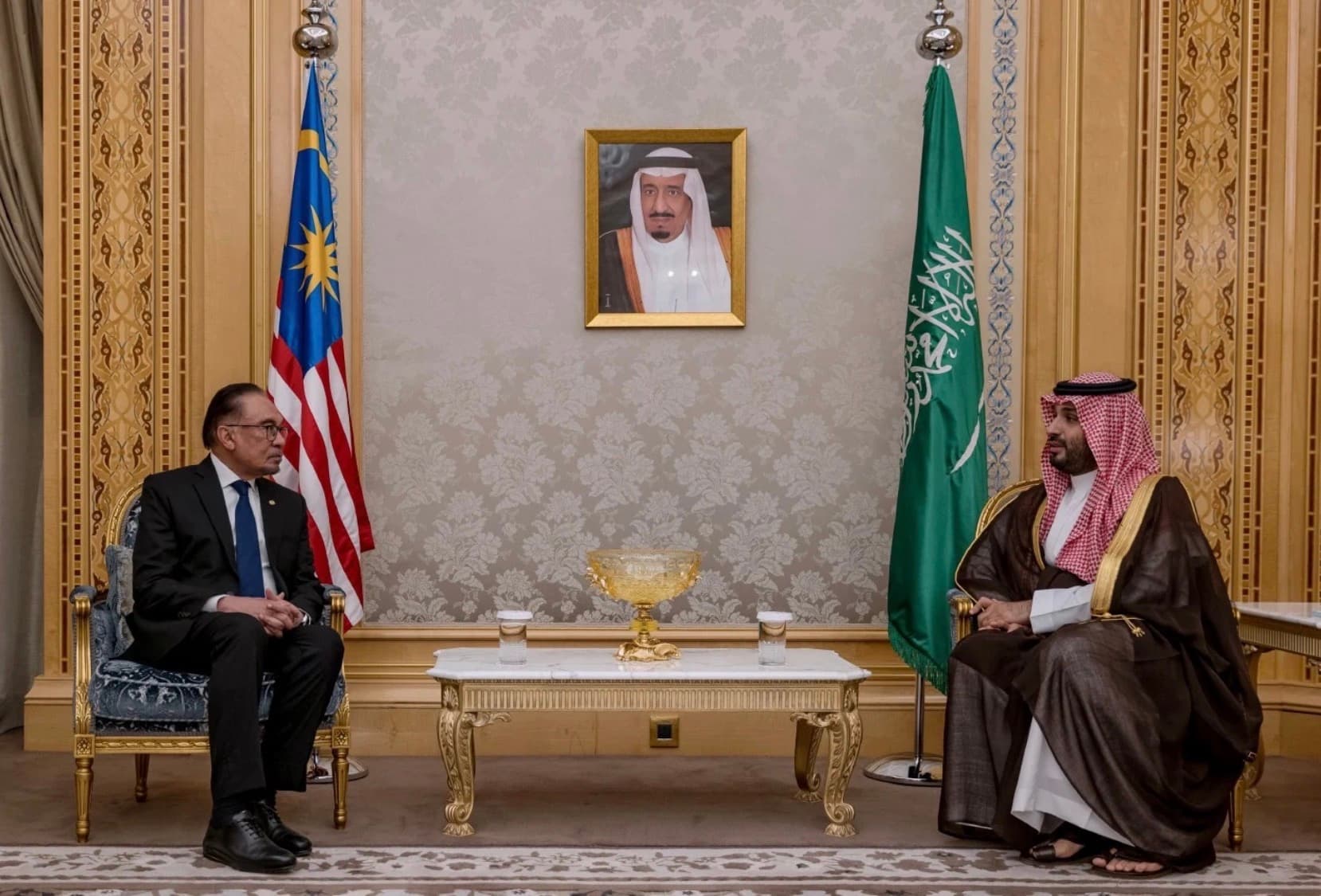
Recently, this equation had become visible through three parallel tracks. Prime Minister Anwar Ibrahim highlighted Malaysia’s strong ties with Saudi Arabia, the largest country and economy in the GCC, after receiving a personal message from Crown Prince and Prime Minister Mohammed bin Salman, linking the relationship to Malaysia’s confidence in managing economic pressures and securing energy supplies. At the same time, Anwar discussed with Pakistani Prime Minister Shehbaz Sharif the latest developments in US-Iran negotiations, including the issue of the Strait of Hormuz, while praising Pakistan’s mediation role. Separately, he kept communication open with Tehran through a phone call with Iranian President Masoud Pezeshkian, urging de-escalation, stability in the Strait of Hormuz, and a peaceful settlement through dialogue and responsible diplomacy.
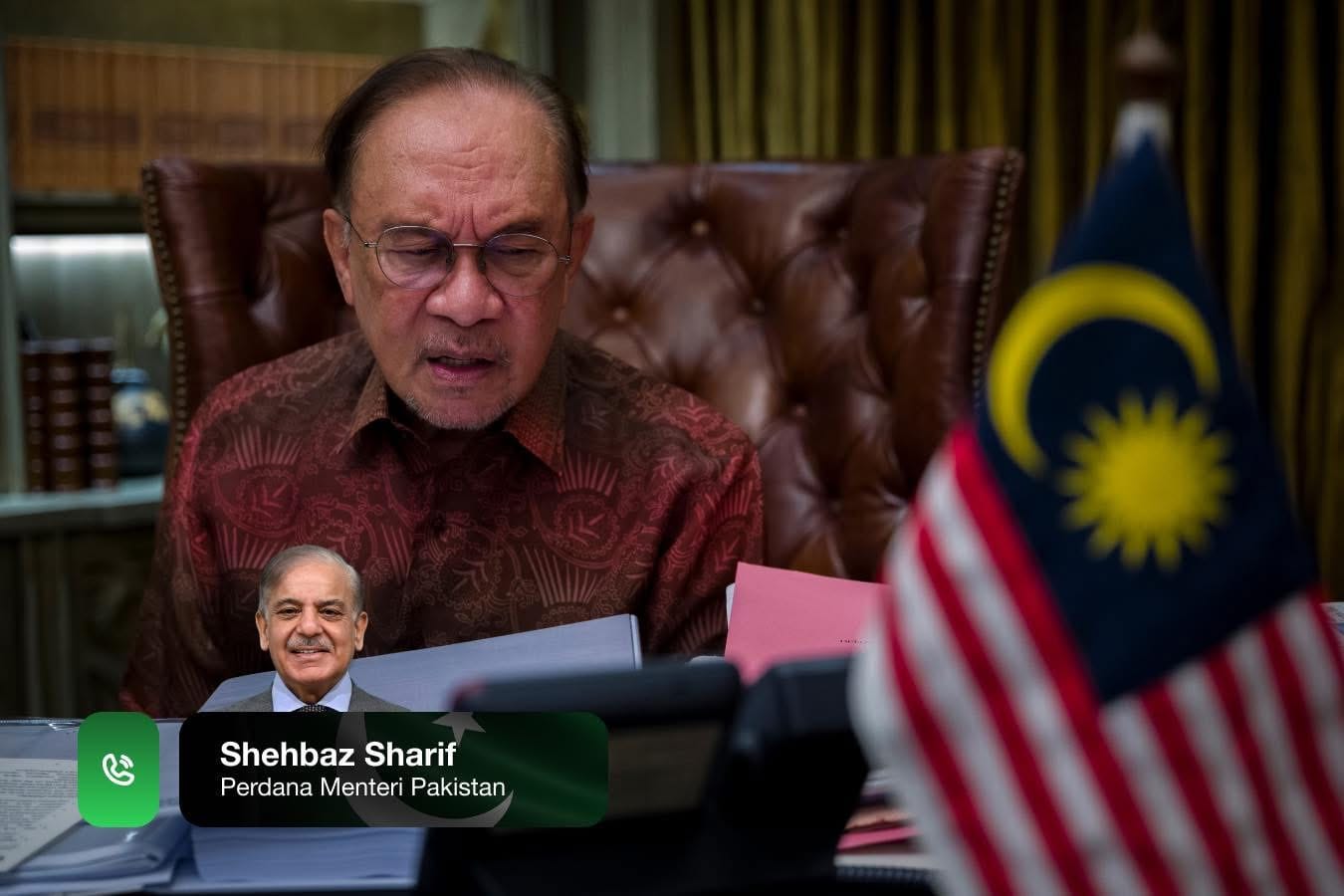
Malaysia’s challenge lies in the fact that its Middle East policy cannot be reduced to one relationship. The Gulf Cooperation Council states are important economic, energy, investment and labour partners. Iran, meanwhile, remains part of Malaysia’s diplomatic calculations as a Muslim-majority state and a regional actor linked directly to the Hormuz crisis. Kuala Lumpur therefore avoids treating the region as a single political camp.
This balance is also shaped by domestic pressures. In Malaysia, any disruption in oil prices can quickly become a political issue, especially as the government continues to defend fuel subsidy reforms and cost-of-living measures. For Anwar’s administration, Hormuz is not only a foreign policy file; it is also a domestic economic concern that touches ordinary consumers.
At the same time, Malaysia cannot ignore its broader Islamic identity. Public opinion is sensitive to wars in the Muslim world, especially when they are linked to Palestine, Iran, the GCC, or Western military action. This pushes Kuala Lumpur to use language that condemns escalation and calls for diplomacy, while avoiding a tone that would damage its relations with either GCC states or Iran.
The most likely path is that Malaysia will continue to support de-escalation, freedom of navigation, and diplomatic channels, while protecting its economic relations with the GCC states and keeping communication with Iran open. This is not neutrality in the passive sense; it is a form of active caution by a middle power that knows the cost of choosing slogans over interests.
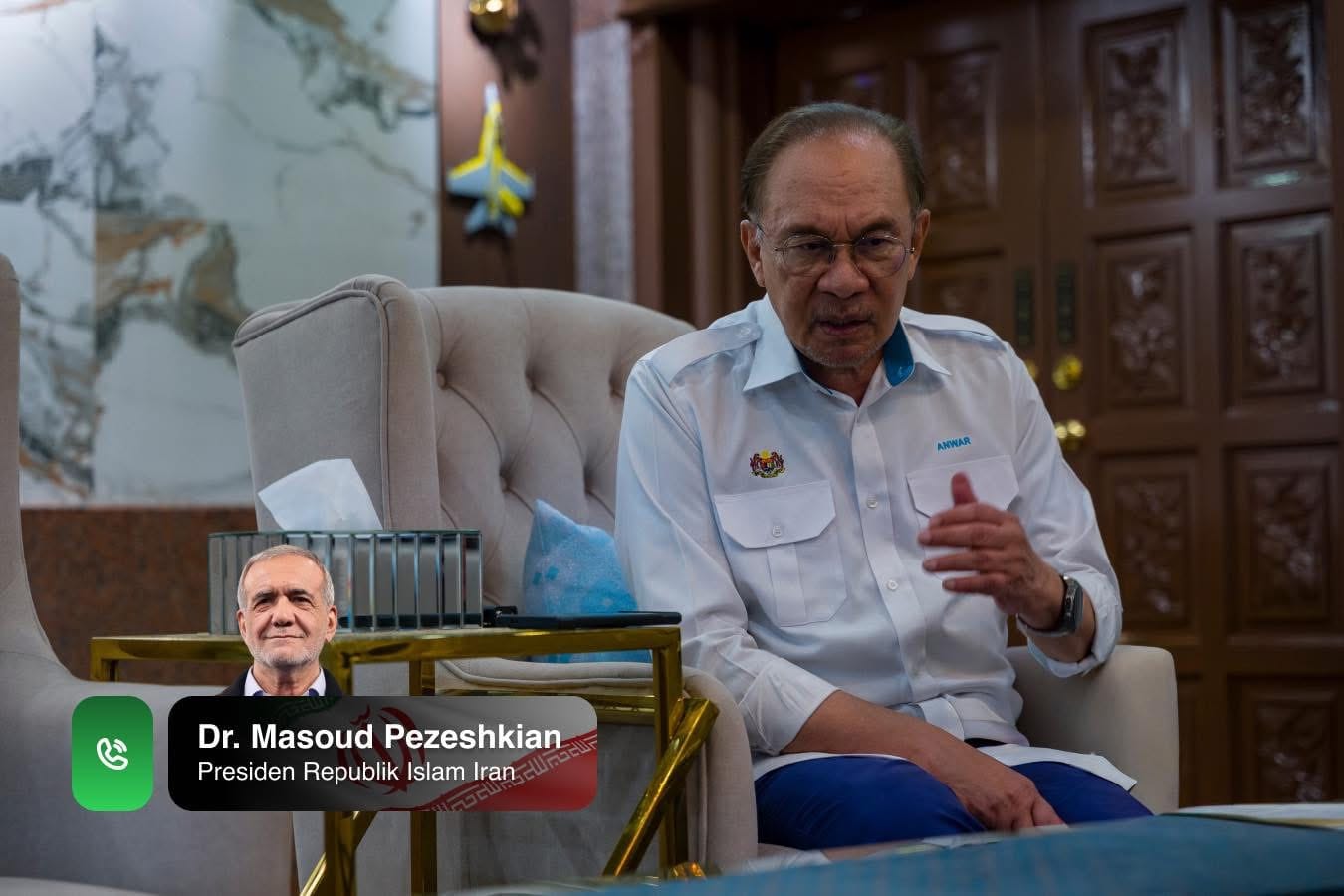
In the end, Malaysia’s answer to the question of how it balances GCC states and Iran lies in three words: economy, diplomacy and restraint. It reassures the GCC without cutting off Tehran, supports stability without entering military alignments, and speaks to its domestic audience in the language of prices, fuel and security. In a crisis shaped by fire and water, Kuala Lumpur is trying to walk on the narrow bridge between principle and necessity.
Abdullah Bugis (kualalumpur.abdullah@gmail.com) is a content creator under the Newswav Creator programme, where you get to express yourself, be a citizen journalist, and at the same time monetize your content & reach millions of users on Newswav. Log in to creator.newswav.com and become a Newswav Creator now!
The User Content (as defined on Newswav Terms of Use) above including the views expressed and media (pictures, videos, citations etc) were submitted & posted by the author. Newswav is solely an aggregation platform that hosts the User Content. If you have any questions about the content, copyright or other issues of the work, please contact creator@newswav.com.