.png)
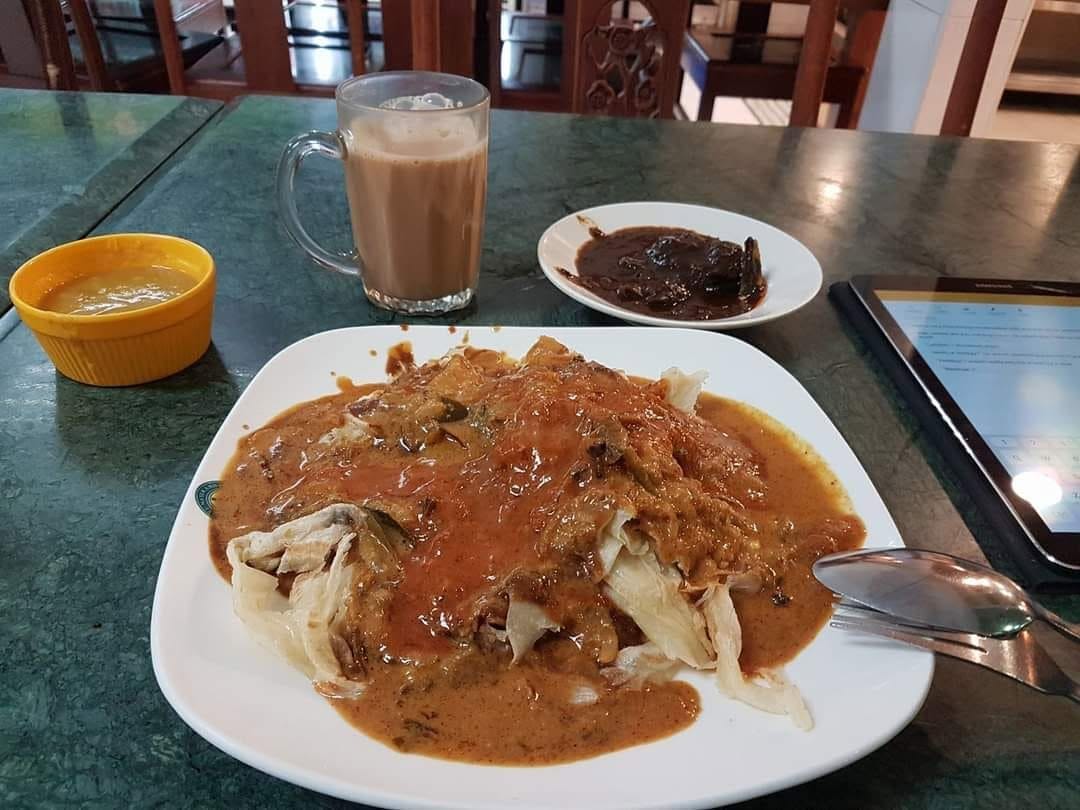
Roti canai is not just food. Before we even talk about Jaime Tan and MasterChef, let’s get that out of the way.
For Indian Muslims, particularly the mamak community, it is part of our cultural heritage. It is a dish our parents made, and our grandparents served to generations of customers. Over time, it has also become something bigger than any one community - it is part of Malaysia’s shared identity.
It is breakfast before work. It is supper after a night out. It is what students eat when they’re broke and what families eat when they’re too lazy to cook.
Show me a Malaysian who has never eaten roti canai and I will show you a tourist.
There are very few things in this country that unite Malaysians across race, religion and politics. Roti canai is one of them.
In fact, I would argue it has done more for national unity than several government ministries combined.
And yes, I know Germany has sourdough bread. It's very nice, very artisanal, very European.
But can sourdough be torn apart with your fingers at 2 a.m., dipped into curry, while arguing about football under fluorescent lights?
Exactly.
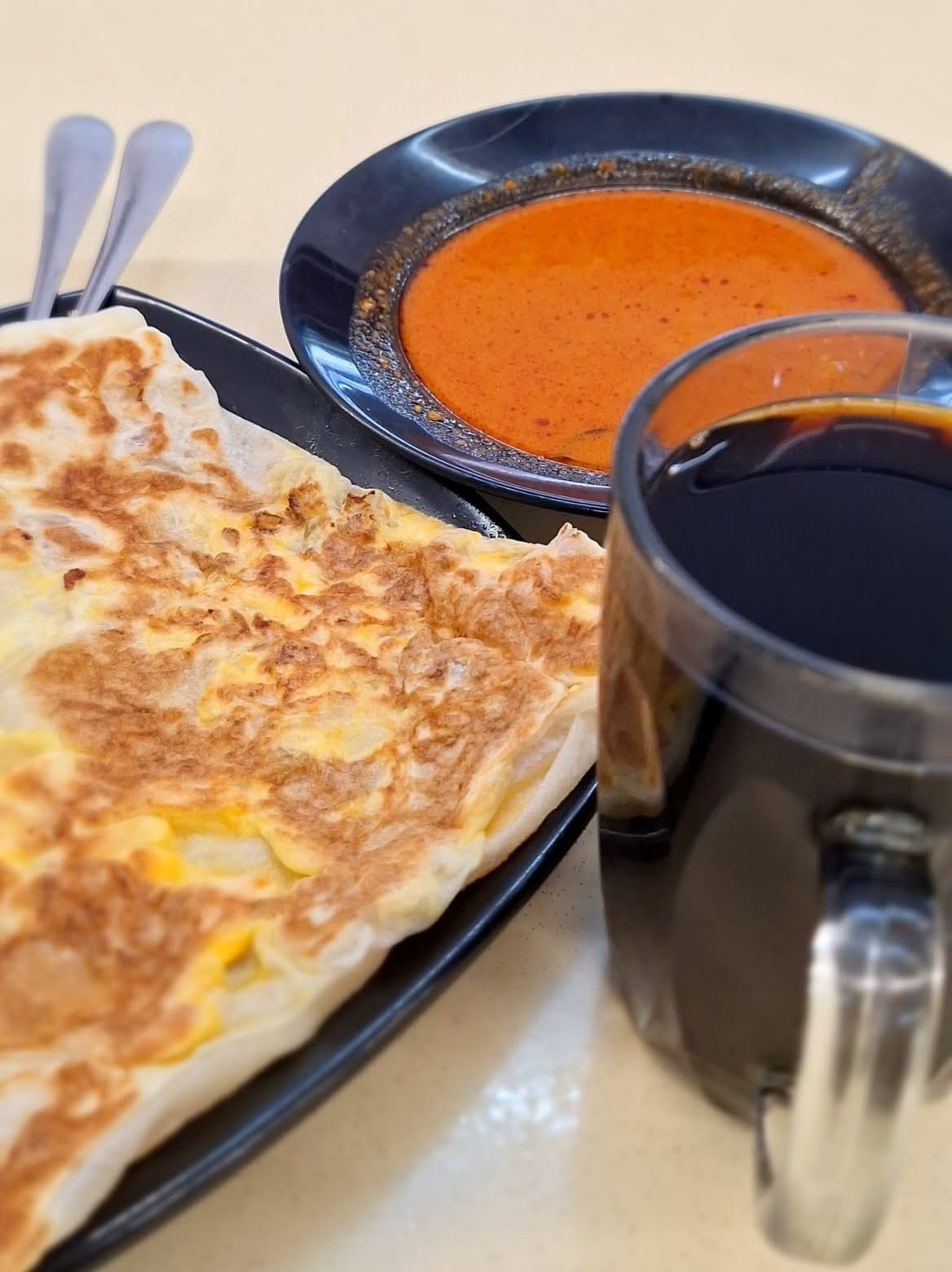
Now, back to MasterChef.
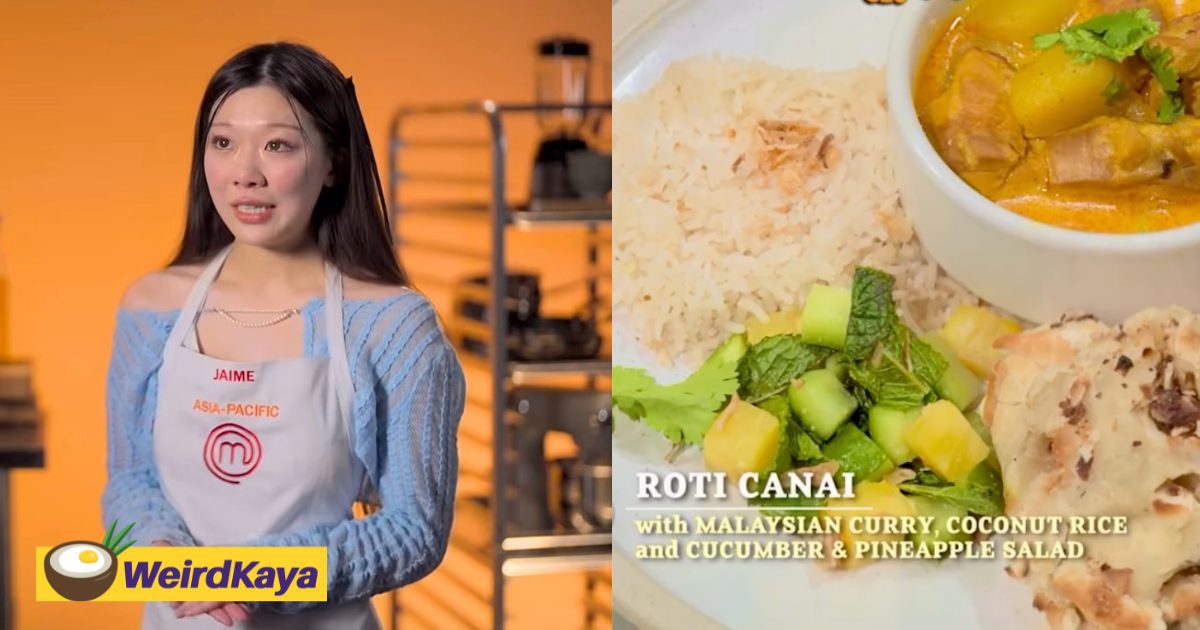
Malaysian-American contestant Jaime Tan recently won a challenge on MasterChef US with a Malaysian-inspired spread featuring roti canai, curry, coconut rice and salad. Malaysians back home were thrilled to see local food getting international attention.
Then she opened her mouth.
And roti canai became “roti kanai.”
The judges loved it and crowned her the winner of the round, while roti canai lovers across Malaysia dropped their jaws in silent national mourning.
Later, Jaime addressed the backlash in social media apology, saying she had mispronounced a national dish and explaining that she grew up in the United States despite having a Malaysian father from Johor.
Fair enough.
People make mistakes.
But this wasn’t someone discovering roti canai for the first time.
This was someone presenting herself as connected to Malaysian heritage and Malaysian food culture.
So the question is simple.
If your Malaysian father taught you how to make roti canai, are you seriously telling me he never taught you how to say it?
Did he spend years in the kitchen saying, “Today I will teach you how to make roti kanai”?
Was there never a single breakfast conversation where the words “roti canai” were spoken out loud?
Even more fascinating is that she seems perfectly capable of pronouncing “kopitiam.”
So somehow “kopitiam” survived intact, but “canai” became “kanai.”
How?
And while we’re asking questions, can we talk about the judges?
Nobody corrected her.
I expected at least Gordon Ramsay to raise an eyebrow.
If a Malaysian contestant went on television and mispronounced a French or Italian dish, someone would have corrected it before the commercial break.
Mat Salleh are often remarkably quick to correct the pronunciation of English, French and Italian words.
Yet when it comes to Asian food, there seems to be a collective attitude of “close enough.”
Or perhaps they thought she was right. Perhaps they followed her pronunciation.
Or maybe some very clever editor decided it was better if only one person looked silly on television.
But the part that truly confuses me isn’t Jaime.
It’s Malaysians.
The moment this happened, social media filled with comments saying, “It’s okay Jaime. We’re proud of you.”
“It’s okay. You represented Malaysia.”
“It’s okay. You made a tasty roti canai.”
Excuse me. Who said it was okay?
Who appointed these people as official representatives of Malaysians?
As a Malaysian, I don’t think it’s okay. Not because she cooked a bad dish. Not because she deserves to be cancelled. Not because this is some national tragedy.
But because representation actually means something.
You don’t get automatic applause simply because you mention Malaysia on foreign television.
You don’t get a free pass because Gordon Ramsay liked your food.
And you certainly don’t get to use Malaysian heritage as a badge of authenticity while getting one of our most iconic food name wrong.
The thing that worries me is how desperate we can be for foreign validation.
The moment someone overseas says “Malaysia,” we immediately lose all standards.
Call it roti canai? Great.
Call it roti kanai? Never mind.
Call it roti kanasai? Also never mind.
As long as CNN, MasterChef or some foreign celebrity notices us, we’re prepared to clap like trained seals.
Why?
If someone genuinely wants to represent Malaysia, then represent Malaysia properly.
We’re not asking for much. Just two words.
Roti.
Canai.
Not roti kanai.
And definitely not roti whatever-you-feel-like-calling-it-today.
Because representation is not about being seen.
It’s about being seen accurately.
Fa Abdul (fa.abdul.penang@gmail.com) is a content creator under the Newswav Creator programme, where you get to express yourself, be a citizen journalist, and at the same time monetize your content & reach millions of users on Newswav. Log in to creator.newswav.com and become a Newswav Creator now!
The User Content (as defined on Newswav Terms of Use) above including the views expressed and media (pictures, videos, citations etc) were submitted & posted by the author. Newswav is solely an aggregation platform that hosts the User Content. If you have any questions about the content, copyright or other issues of the work, please contact creator@newswav.com.