

By R. Nadeswaran
It is a fallacy to assume that corruption is a victimless crime because no third parties incur any loss or damage.
Another school of thought argues that people give bribes not out of choice but necessity. This could be true for people who pay for services they are legally entitled to but are denied by officialdom.
The argument that the giver provides the oil to keep the wheels in the system turning may sometimes hold water.
In such cases, the onus for the wrongdoing should be on the bribe-taker, but the blame of bribe-givers is no less than that of bribe-takers. Accordingly, the law provides that both be equally punished.
However, the Sabah case indicates that bribe-giving also has an ominous side. The law cannot and will not discriminate between “good” and “bad” giving. Paying bribes is never condoned and is a crime.
Over the past week, Malaysiakini has published a series of reports on claims made by a whistleblower who is in possession of alleged incriminating video evidence against several assemblypersons but feared reprisal for trampling on powerful toes.
“This involves the top leaders of a state. These are influential people. There would be severe political and personal repercussions,” he told Malaysiakini.
“This is the reason I am requesting full protection even before lodging a report with MACC.”
Whistleblower protection
However, the whistleblower is unlikely to receive any protection under Section 7 of the Whistleblowers Act if he himself participated in the improper conduct disclosed.
Therefore, one must agree with Prime Minister Anwar Ibrahim, who indicated that the whistleblower in the alleged Sabah corruption scandal would not be guaranteed protection if he had been the bribe giver.
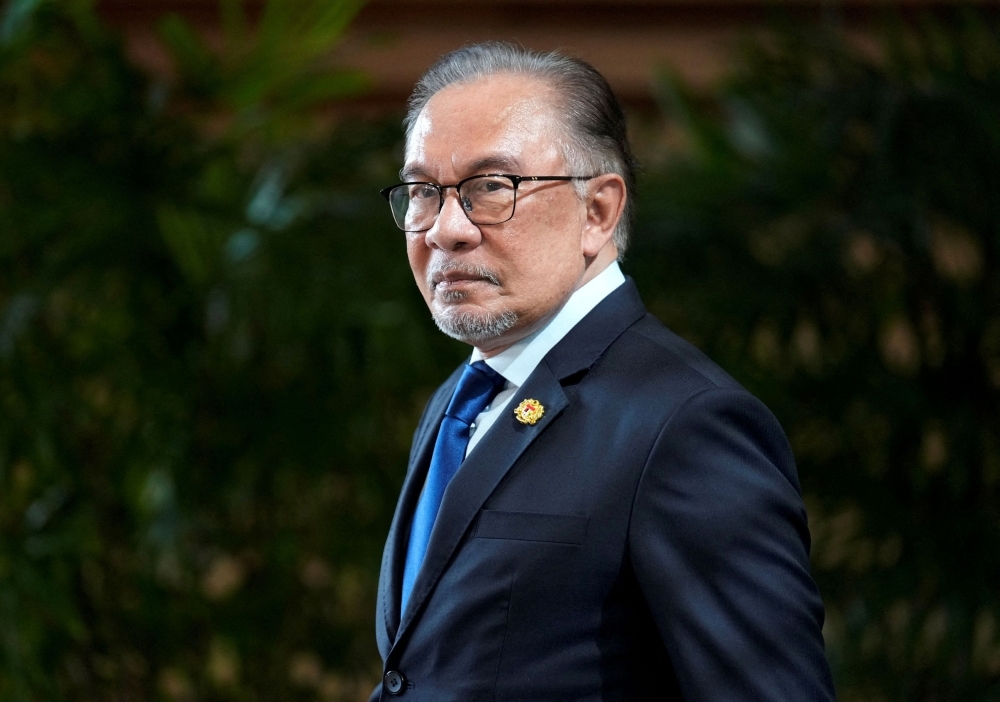
“If there is vague information including whether the whistleblower is also involved in corruption, it must be reviewed and investigated, not give them protection immediately,” he was quoted as saying by Astro Awani.
Section 17(b) of the Malaysian Anti-Corruption Commission Act makes it an offence for a person to corruptly give, agree to give, or offer any gratification to another person.
But Sabah Chief Minister Hajiji Noor's condition that the alleged “bribe giver” be arrested and investigated first before cooperating over the video recordings of state assemblypersons discussing money is incredible.
When can a chief minister, or anyone else, dictate who should be investigated or arrested, and in what order?
Hajiji inferred that his administration was aware of the recordings and ready to cooperate with any party, especially the MACC.
“We are asking the authorities to investigate. We will cooperate but also investigate those who gave the bribes.
“The bribe giver has a bad intention of getting something from the government.
“When they fail, this (the audio recording) emerges. So, in my opinion, to be fair, arrest them and investigate them first,” he said.
Is this a tacit admission of the authenticity of the recordings and a confirmation of the words exchanged?
Was this also an admission that bribes were made?
Under scrutiny
But Malaysiakini reported that when a journalist mentioned that Hajiji’s name was also implicated, the chief minister quickly retorted, “Saya tiada apa-apa (Nothing to do with me).”
This case is a big test for the anti-corruption agenda that Anwar has consistently discussed over the past two years.

The admissibility of the recordings will undoubtedly come under scrutiny, especially if they were alleged to have been made surreptitiously.
It also tests the vulnerability of our system—the ability of our officials to carry out investigations independently without any political influence or interference.
However, it must be remembered that our administration's lack of accountability and opaque internal systems have significantly contributed to corruption.
Our procurement system has more than pockets of secrecy, allowing interested parties to manipulate the system.
If proper systems and processes are in place at all levels of government, there will be little or no opportunity to pay or receive bribes.
Citizen Nades is a content creator under the Newswav Creator programme, where you get to express yourself, be a citizen journalist, and at the same time monetize your content & reach millions of users on Newswav. Log in to creator.newswav.com and become a Newswav Creator now!
The User Content (as defined on Newswav Terms of Use) above including the views expressed and media (pictures, videos, citations etc) were submitted & posted by the author. Newswav is solely an aggregation platform that hosts the User Content. If you have any questions about the content, copyright or other issues of the work, please contact Newswav.