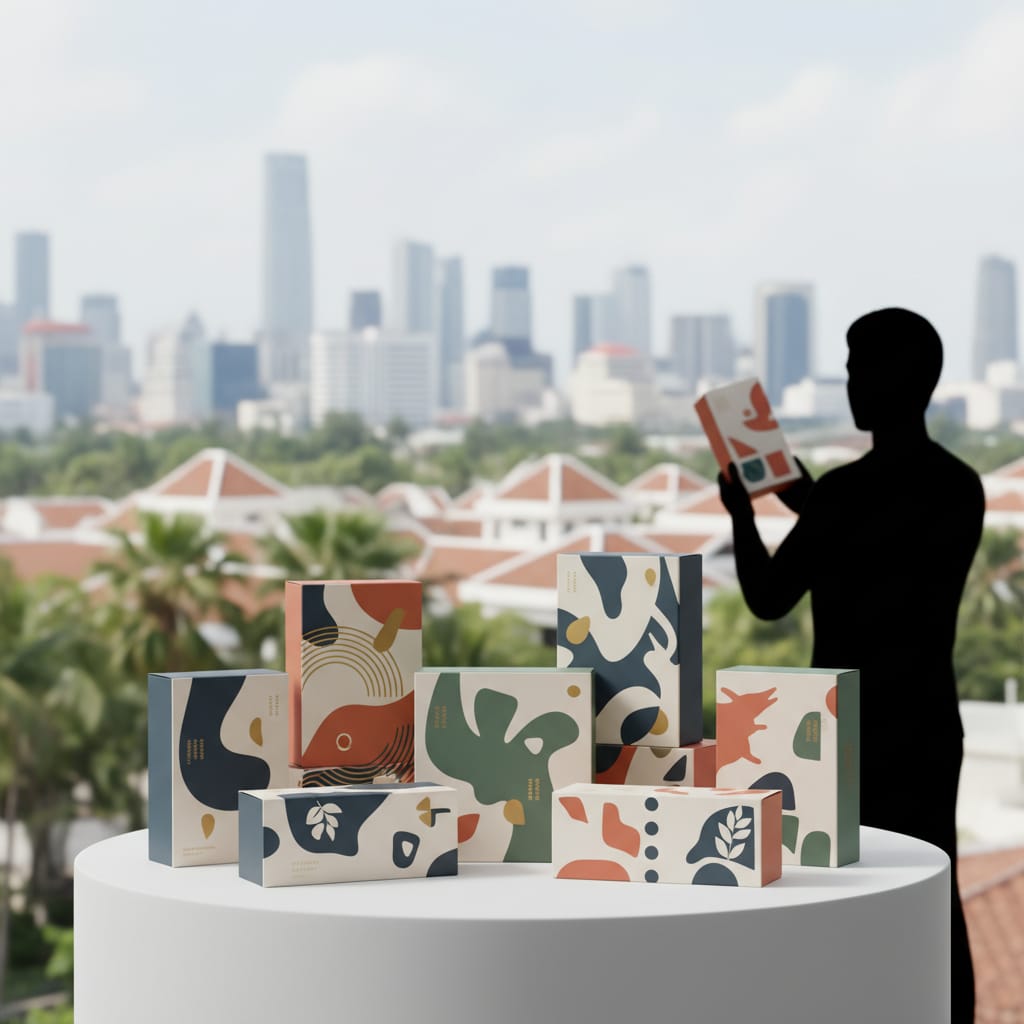
For decades consumers in Malaysia and abroad have accepted a simple assumption: if a brand sounds Western, Italian, American, or Japanese, then that is where it came from. That assumption affects everything from purchasing decisions to national pride in local industry. But an investigative look at familiar brands reveals something striking: many names you thought were foreign either originated in Malaysia or owe their success to Malaysian manufacturing and entrepreneurship. This investigation uncovers 15 such companies and products, backed by data, market reports, and authoritative sources, to show how local industry has quietly shaped global markets.
The Psychology of Foreign‑Sounding Names
Branding experts long understood that exotic or Western‑sounding names can drive consumer trust and sales. Names like San Francisco Coffee, Manhattan Fish Market, or Bonia carry perceived prestige from Western association. That perception can mask the reality of origin. As one columnist noted, foreign branding is often used to lend a sense of quality or aspiration, even when a company is 100% Malaysian at its core. (Malay Mail)
1. San Francisco Coffee
Though the name evokes California, San Francisco Coffee is a Malaysian brand founded in Kuala Lumpur in 1997. It adopted the name to imply a trendy, Western cafe vibe, but its roots and expansion strategy are firmly local. (Malay Mail)
2. Manhattan Fish Market
Another brand that sounds distinctly American, Manhattan Fish Market actually launched its first restaurant in Kuala Lumpur’s Mid Valley Megamall. Its cuisine and name aimed to attract customers with a familiar New York image, despite being 100% Malaysian in origin. (Malay Mail)
3. Bonia
Many believe Bonia is Italian. In fact, it is a Malaysian luxury leather goods and fashion brand headquartered in Cheras, Kuala Lumpur. Over decades it has grown into an international fashion house with outlets across Asia and beyond. (BD Media)
4. Padini
Padini, a major fashion retailer, is often mistaken for a European label. It began as a garment manufacturer in Malaysia in the 1970s and now operates multiple in‑house brands across the region. (Content.com.my)
5. ZUS Coffee
ZUS Coffee’s name sounds like it could be Dutch or American. It is a Malaysian coffee retail chain built around digital ordering and fast service. In a few years it has expanded into neighbouring Southeast Asian markets. (Content.com.my)
6. Applecrumby & Fish
Often thought to be a Western toy or gifting brand, Applecrumby & Fish is a Malaysian lifestyle and gift brand featured among participants in Malaysia Brand Day 2026. The company showcases local design and creative products. (Malay Mail)
7. Carlo Rino
Carlu Rino might be assumed Italian. It is actually a Malaysian fashion brand known for handbags and accessories that compete with international labels in style and price. (Malay Mail)
8. Eu Yan Sang
While Eu Yan Sang is widely recognised in Asia, many non‑Malaysian consumers assume it originates in China or Hong Kong. The brand has major operations in Malaysia and Singapore and has historically been headquartered in the region with deep local enterprise ties. (Malay Mail)
9. Ogawa
Ogawa is a name that suggests Japanese quality. Yet its branding is Malaysian, and it has become prominent in local lifestyle retail, including outlets featured at Malaysia Brand Day. (Malay Mail)
10. Sushi King
This sushi chain may seem Japanese but started in Malaysia in 1995 and became the largest halal conveyor‑belt sushi brand in the country with over 100 outlets. (minimeinsights)
11. Fipper
Popular flip‑flop and casual footwear brand with a tropical style. It started in Malaysia and expanded regionally, despite sounding Hawaiian or foreign. (Vulcan Post)
12. Julie’s Biscuits
Julie’s biscuits are a beloved staple throughout Asia. Founded in Malaysia in 1981, they grew from a family business to a household name available in over 80 countries. (Content.com.my)
13. Beryl’s Chocolate
Many chocolate fans assume Beryl’s is a European luxury. It was established in Malaysia in 1995 and became known for its quality chocolates in both domestic and tourist markets. (Content.com.my)
14. Karex Behind Many Condom Brands
Karex Berhad, based in Malaysia, is the world’s largest condom manufacturer, producing more than five billion condoms annually for international brands such as Durex and others. At times it has supplied roughly 20% of global condom volume, making its roots Malaysian even if the packaging says otherwise. (South China Morning Post)
15. Khind Appliances
Khind is a longstanding Malaysian electrical appliance brand dating back to the early 1960s. It produces fans, rice cookers, and small household appliances that are sold domestically and exported. (Content.com.my)
Special Mention: Malaysian Manufacturing Powerhouses You Don’t See On Shelves
These companies do not sell consumer‑facing brands under their own names but are critical to global supply chains.
Hup Seng Iconic Malaysian Biscuits
Hup Seng makes classic biscuits such as cream crackers and cookies that are exported across Asia and beyond. Its products are rooted in Malaysia’s manufacturing base and remain a staple in households regionally. (The Edge Malaysia)
Mister Potato
Potato chips brand that many assume imported. It was introduced in Malaysia in the early 1990s and is produced by local snack manufacturer Mamee. (Food & Beverage Supply Directory)
Vochelle
Chocolate brand with a European‑style name; it is made in Malaysia by Maestro Swiss Industries and sold locally and regionally. (Vochelle Malaysia)
Why This Matters
Consumer Perception and Economic Reality
The cognitive bias that equates “foreign” with “better” often leads industries to adopt global‑sounding identities to boost perceived quality. But research shows that Malaysian brands succeed not because of their name but because of product quality, market fit, and strategic expansion. That disconnect between perception and reality can undervalue local industry in public discourse and investment decisions.
Jobs, Exports, and National Identity
Homegrown brands like Julie’s, Bonia, and Karex have become exporters of Malaysian capability. Their growth contributes to jobs, supply chain development, and export earnings. For example, companies like Hup Seng have diversified into export markets while maintaining production at home, signalling the global competitiveness of Malaysian consumer goods. (The Edge Malaysia)
The Broader Impact on Branding Strategy
The success of these brands demonstrates that names alone do not drive success. It challenges Malaysian startups and SMEs to balance brand identity with authenticity. As global trade becomes more competitive, local companies with international potential can benefit from transparent origin stories that build consumer trust and pride.
What Do You Think? I’d Love to Hear Your Opinion in the Comments Section.
As global brands dominate retail shelves and online marketplaces, it is easy to assume that Western‑sounding names must originate abroad. But Malaysia’s business landscape proves otherwise. From fashion houses like Bonia to coffee chains like San Francisco Coffee, and from household biscuits to world‑leading producers like Karex, Malaysian brands have quietly built international footprints while flying under the radar of consumer awareness.
This investigation clarifies that brand name and origin are not always aligned. Understanding the real origin of these brands not only reshapes how we think about product identity but also invites a broader reevaluation of local capability and innovation. Today’s Malaysian brands are not shadows of foreign giants. They are creators and competitors on the global stage.
AM World (tameer.work88@gmail.com) is a content creator under the Newswav Creator programme, where you get to express yourself, be a citizen journalist, and at the same time monetize your content & reach millions of users on Newswav. Log in to creator.newswav.com and become a Newswav Creator now!
The User Content (as defined on Newswav Terms of Use) above including the views expressed and media (pictures, videos, citations etc) were submitted & posted by the author. Newswav is solely an aggregation platform that hosts the User Content. If you have any questions about the content, copyright or other issues of the work, please contact creator@newswav.com.