

Earlier this month, the Malaysian government began phasing out subsidies for chicken eggs. On May 1, 2025, the subsidy was halved from 10 sen to 5 sen per egg. By August 1, all subsidies and price controls will be removed entirely - a move expected to save the government RM1.2 billion (S$363 million) a year.
Currently, egg producers receive a 10 sen subsidy per egg, costing the government around RM100 million each month or RM1.2 billion a year. The subsidy cut began with a 50% or 5 sen reduction in May and will be fully eliminated by August. Not to mention, Malaysia imposed a ceiling price for eggs, ranging from 38 sen to 42 sen depending on grade and quality. Analysts predict that once subsidies and controls are lifted, egg prices could rise by around 3 sen each, adding further strain to consumers already burdened by the rising cost of living.
However, despite these concerns, I support the government’s decision. Continuing to funnel money into subsidies is simply not sustainable in the long run. I believe tough choices must be made to address the deeper, underlying issues in our food supply system. A bit of short-term pain may be the price we pay for long-term stability. Here’s why I stand by the government’s move:
1. The savings can be redirected to more pressing national priorities
At RM1.2 billion annually, the egg subsidy represents a significant budget allocation and that money could be put to better use. Malaysia is facing urgent challenges: underfunded healthcare services, crumbling rural infrastructure, teacher shortages, and worsening food insecurity. Rather than continuing a subsidy that offers diminishing returns, we can invest in structural improvements that benefit more people in the long term. Part of the savings could also be reinvested into the agricultural sector itself. For instance, it could help poultry farmers transition to closed-house systems equipped with modern biosecurity features. According to former deputy agriculture minister Sim Tze Tzin, most industry players still use open or semi-closed systems, which leave chickens vulnerable to diseases like bird flu and contribute to pollution and fly infestations. He stressed the need to modernise poultry farming to make it safer and more sustainable.
Investments in agricultural R&D, farmer training, and better food distribution networks would have a compounding impact, unlike subsidies, which are simply recurring expenses. Practicing fiscal discipline now allows for smarter, more strategic spending in the future. We must consider the opportunity cost of keeping eggs cheap at the expense of other urgent national priorities.
2. The subsidy masks inefficiencies in the local egg industry
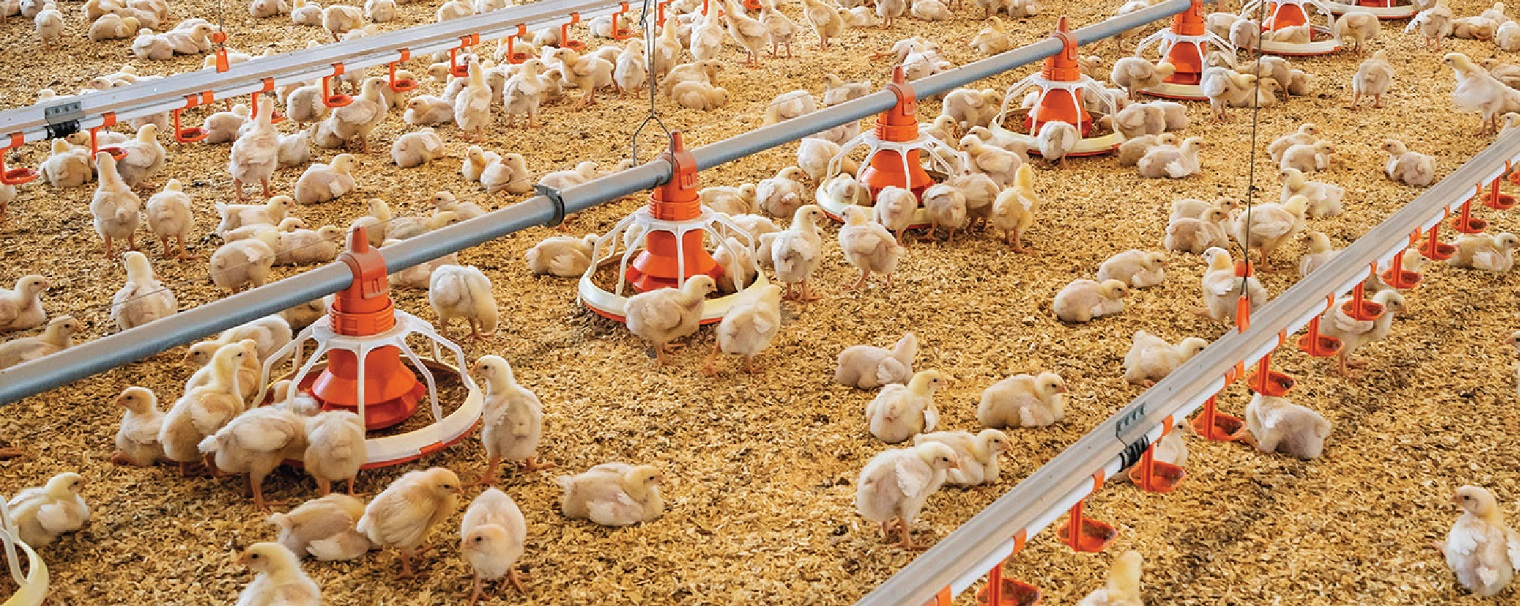
Artificially keeping egg prices low disincentivizes producers from innovating or improving productivity. When prices are controlled and profits guaranteed through subsidies, there is little motivation to address supply chain inefficiencies, reduce wastage, or invest in better technology. Removing subsidies forces the industry to compete, adapt, and find more sustainable, cost-effective ways to operate. Over time, this can lead to healthier market competition and better quality control. It can also open the door to diversification, such as alternative feed sources or more resilient farming practices. Countries like New Zealand, which phased out agricultural subsidies, saw long-term gains in efficiency and innovation. The same could be true for Malaysia but only if producers are allowed to respond to real market forces.
3. Prices of eggs may go down
When subsidies and price controls are removed, egg prices will no longer be dictated by the government. Instead, they will be set by sellers trying to outdo each other. This is exactly what happened when chicken subsidies were lifted on November 1, 2023. While many feared a price surge, the opposite occurred: prices dropped in multiple states. In Kuala Terengganu, prices of chicken fell by 15% from the RM9.40 ceiling to as low as RM7.20 per kilo. In Kangar, Perlis, prices fell from RM9.40–RM10.40 per kilo down to RM8.50–RM10. Even more striking, Acting Domestic Trade and Cost of Living Minister Armizan Mohd Ali reported that the lowest recorded price for chicken was RM6.49 per kilo in Johor.
With the freedom to set their own prices, sellers began competing for customers by offering lower rates. The same competitive market dynamics could apply to eggs once subsidies are removed. In supermarkets and other high-traffic areas, this often sparks price wars, discounts, and better deals for consumers. Evidence from the chicken market supports this - after subsidies were lifted, prices dropped at the majority of outlets. Out of 1,484 premises inspected across Peninsular Malaysia, including retail shops, supermarkets, and mini-markets, only 68 (just 4.8%) raised their prices. The rest either maintained or lowered them. In a free market, healthy competition not government ceilings becomes the most effective tool in keeping prices in check.
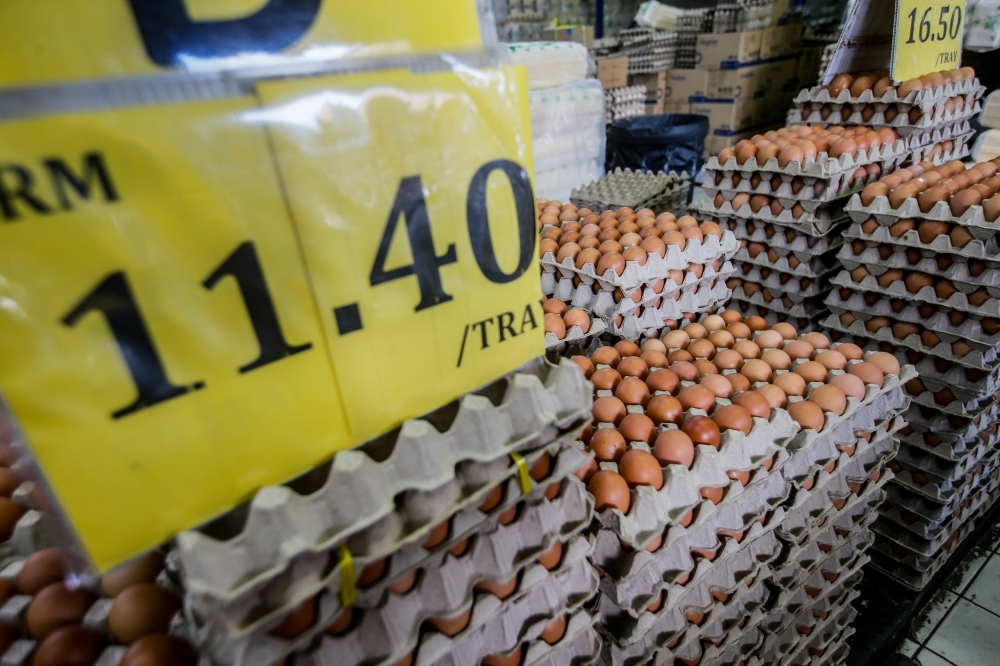
For too long, Malaysians have been conditioned to expect cheap food without questioning the true cost behind it. But subsidies are not free -they are paid with national debt, missed opportunities, and a stagnant agricultural system. We can’t keep delaying tough reforms just to avoid upsetting voters. If removing the egg subsidy sparks outrage, maybe that’s the wake-up call we need. True resilience comes not from handouts, but from building systems that can stand on their own. It's time we stop asking, “Why are eggs getting expensive?” and start asking, “Why haven’t things changed sooner?”.
Aaron Colt is a content creator under the Newswav Creator programme, where you get to express yourself, be a citizen journalist, and at the same time monetize your content & reach millions of users on Newswav. Log in to creator.newswav.com and become a Newswav Creator now!
The User Content (as defined on Newswav Terms of Use) above including the views expressed and media (pictures, videos, citations etc) were submitted & posted by the author. Newswav is solely an aggregation platform that hosts the User Content. If you have any questions about the content, copyright or other issues of the work, please contact creator@newswav.com.

