Status, prestige and the psychology of deference
By Mihar Dias | October 2026
My father had an effective way of puncturing the egos of politicians. He needed no PhD or social media following. He simply observed what people did when somebody acquired a little power.
“How foolish you people are! You practically worship an elected representative who was a nobody until you put an X against his name. Before the election, he was asking for your votes. Now you are begging for his attention. You gave him his position, and you are frightened of the very person you put there. What nonsense!”
He had identified a real contradiction. We elevate people, confer titles upon them, and then behave as though they possess some quality the rest of us lack. We manufacture the pedestal and then worship the person standing on it.
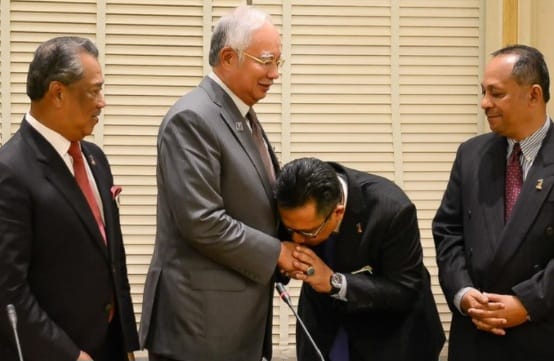
The politician has not become wiser or more honest overnight. He has merely acquired a seat. Yesterday he was a citizen asking for support; today his hand must be shaken and his photograph displayed prominently on Facebook. Tomorrow, if he loses his seat, some of his most enthusiastic admirers may discover other commitments. Such is the durability of admiration attached to a position rather than a person.
The Magic of a Title
Titles have legitimate purposes. They recognise achievement, indicate qualifications and identify responsibilities.
The problem begins when we confuse the title with the person. A chairman can preside over a failing organisation. A professor can be wrong. A politician can be elected without becoming wise. A title tells us about position or past recognition, not character, yet deferring to a label is easier than examining the person behind it. It may tell us what somebody is called. It cannot guarantee what somebody is.
Why We Bow
Respecting an office is different from surrendering our judgment to its occupant. Faced with an impressive title, we laugh at unfunny jokes, applaud mediocre speeches and stay silent when we know something is wrong.
Consider a meeting where a junior employee’s idea is ignored, and ten minutes later a senior executive proposes the same one to cries of “Brilliant suggestion!” The idea has not improved. Its ownership has changed. We often judge ideas by the rank of the person presenting them.
The Ego Behind the Honour
Some people receive an honour as recognition of service. Others take it as confirmation of superiority. The first feels a greater obligation to serve; the second feels entitled to be served.
After decades of advising management teams, I have learned that authority and competence do not always arrive together. The competent person asks questions and admits uncertainty. The insecure one insists on being addressed correctly, seated prominently and photographed beside the most important people in the room. One is concerned with getting the job done; the other with looking as though it could not be done without him.
Once status is acquired, it must be defended. Leaders keep defending failed policies and attack critics instead of correcting errors. It resembles the sunk cost fallacy, except that the investment is pride, reputation and identity.
The Theatre of Prestige
Status needs an audience. People want not only to meet an important person but to have photographic evidence. A photograph with a minister may simply establish that two people occupied the same space for several seconds, yet in a society obsessed with prestige, proximity is mistaken for achievement.
The same theatre extends to luxury cars, watches and exclusive clubs. The absurdity begins when people spend money they cannot afford to impress people whose opinions they would otherwise not value. Meanwhile, teachers, nurses and cleaners keep communities functioning with far less recognition. Prestige is not a reliable measure of contribution.
Respect Is Not Deference
My father’s complaint was not against respecting elected representatives. Public office carries responsibilities entrusted by the electorate, and the officeholder remains accountable to those who conferred them. He is supposed to serve his constituents, not train them to be an audience.
Respect recognises dignity and legitimate responsibility. Deference places another’s judgment above our own simply because of position. Respect allows scrutiny; blind deference treats it as an insult. A healthy democracy needs citizens who respect the office while questioning the officeholder.
A Little Experiment
Next time you meet someone with an impressive title, ask yourself: What do I actually know about his competence and character? Would I react the same way without the title? Am I showing respect because he deserves it, or because I hope to gain something? Then ask the same of yourself, should a title ever come your way.
The Rest Is Theatre
A title is not character. Prestige is not competence. An elected representative is still a human being who can be wrong, vain or incompetent, just like the person who voted for him.
We give people power and act surprised when they enjoy it. We complain about arrogance while rewarding it with attention. The more troubling question is not why some people become intoxicated with status. It is why the rest of us keep serving the drinks.
So when you see a politician surrounded by admirers, remember my father’s question: who made this person important in the first place? In a democracy, the people did. Give people the respect they earn, not the worship their titles invite.
Mihar Dias (mihardias@gmail.com) is a content creator under the Newswav Creator programme, where you get to express yourself, be a citizen journalist, and at the same time monetize your content & reach millions of users on Newswav. Log in to creator.newswav.com and become a Newswav Creator now!
The User Content (as defined on Newswav Terms of Use) above including the views expressed and media (pictures, videos, citations etc) were submitted & posted by the author. Newswav is solely an aggregation platform that hosts the User Content. If you have any questions about the content, copyright or other issues of the work, please contact creator@newswav.com.