
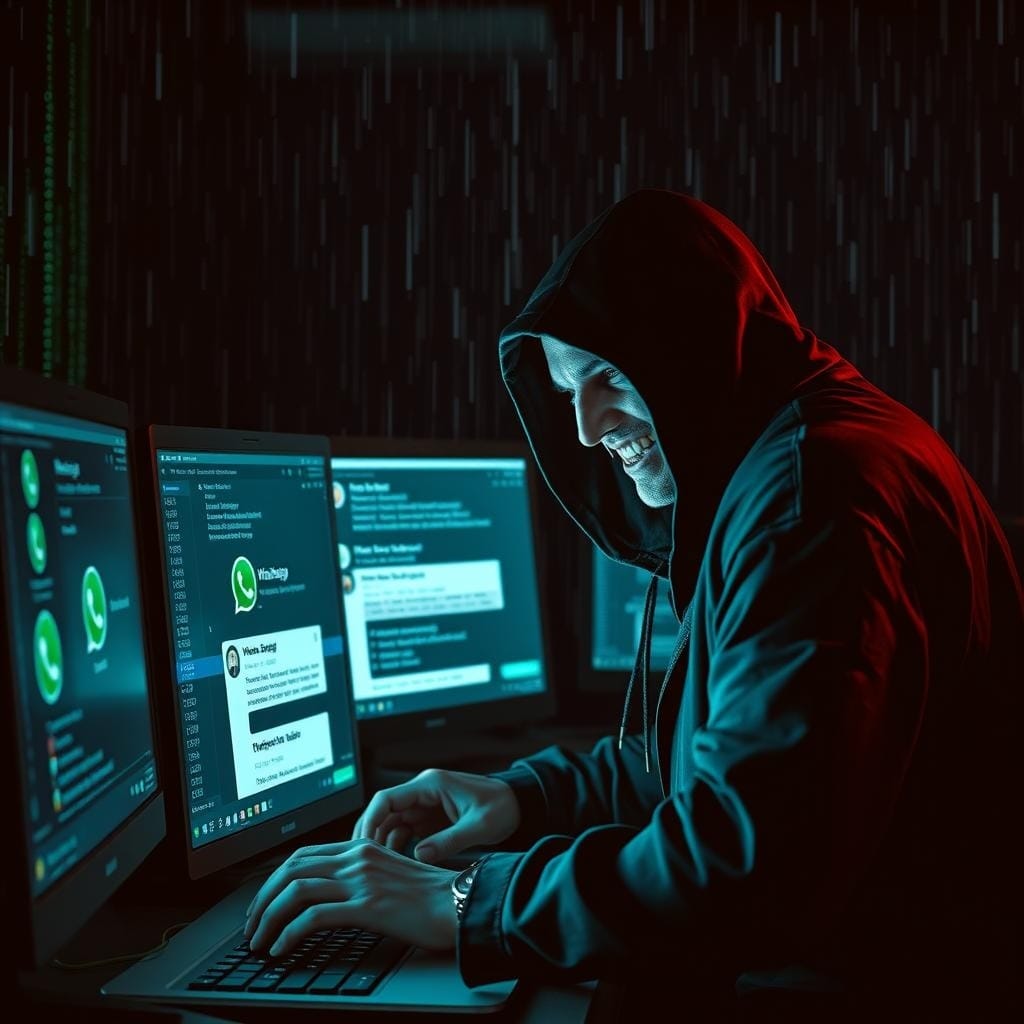
We often hear that wisdom, or scepticism can shield us from harm. But what happens when the very qualities that make us human, our empathy, our loyalty, our instinct to help are turned against us?
A recent police statement in Malaysia suggested that individuals of a certain ethnicity are less susceptible to scams because they “question scammers extensively.” As someone who has felt the cold, violating sting of digital theft, I challenge this dangerous notion. Scammers do not discriminate by background, education, or inherent scepticism. My own painful experience is a testament to a harsh truth: if you possess empathy and a willingness to help, you are a potential target.
The Moment Trust Was Weaponized
It began with a simple WhatsApp chime... at about 10pm on a Thursday evening a year ago!
The message was from someone I deeply trusted, a respected senior lawyer and community figure. His words were urgent, desperate: a plea for immediate financial help. Alarmed, I immediately called him, fearing a medical emergency but there was no answer. I sent a message to the friend asking if everything was alright.
Then, a photo of a car dashboard arrived with a text: “I am driving, will call once I reach home. Please send the money.” Then a text reply detailed issues with a business partner and a promise to repay first thing the next morning. While things felt off, the urgency, the vague story, my genuine concern for someone I believed was in crisis overrode my suspicion. In that moment, compassion clouded caution. I authorized the transfer.
Almost instantly, my gut screamed that I had been deceived!

The Aftermath: A System Stretched Thin
What followed was a lesson in futility. I sprang into action, only to confront a system overwhelmed:
- I called 997 the National Scam Response Centre (NSRC), the scam emergency services: Automated reply: service ends at 10pm
- When contacted, my bank confirmed the grim truth: once a transaction is approved, reversal is nearly impossible.
- Frustrated, I rushed to the police station to file a report.
To the law enforcement officials, I am “another case”and hearing the background story came the assurance “lucky you did not lose much!". I was placed on a queue into the wee hours of the morning to file my report. The cruel irony? I was still communicating with the scammer while talking to the police. I naively thought they might trace the call, but instead, I was advised to cease all communication immediately. It wasn’t until later that I discovered that the trusted friend’s WhatsApp account was indeed been hacked and the scammer had access to thousands of his contacts.
Regrettably, the commercial crime division informed me that the money was likely unrecoverable. The lesson is blunt but clear: it doesn’t matter your ethnicity, education, or background. If you care for others, you become a potential target. It was a calculated exploitation of kindness, compassion, and human connection. Scammers impersonate trusted figures during moments of perceived distress, weaponizing our better nature to steal not just money but trust itself. This experience illustrated that it is a sophisticated and emotionally manipulative scam. The hacker uses the stolen name, photo, and existing chat history to create a false sense of trust and urgency, often crafting a story about an emergency or a locked account to pressure the victim into sending money quickly. This is not an isolated, one-off incident. It is happening every day…

The Real Cost: More Than Money
This was not just theft. It was a violation, a sophisticated, calculated exploitation of human connection. Scammers impersonate trusted figures, weaponizing our kindness, our loyalty, our compassion. They craft narratives of urgent distress, short-circuiting rational thought and pressuring swift action. The loss is not only financial. It’s the erosion of trust, the lingering doubt, the quiet shame that follows: How could I have been so naive?
Today, I can detect scams right away, but that doesn’t mean the experience is any less unsettling. A few months later, I was targeted again by an identical scam from another acquaintance's compromised account. The pattern was the same: a message from a trusted name, an urgent request for funds, and then complete radio silence when I tried to call the WhatsApp number to verify the story. I blocked the WhatsApp account and reach out through a separate, secure channel to alert the real person that her account had been hijacked.
Just a couple of weeks ago, an identical scam emerged from another compromised account. This time from a well-established senior leader in my network. The request was for a RM 1000 loan, with a promise to pay me back the very next day. The urgency in the message was palpable, but I could sense the familiar warning signs of a scam. Without a second thought, I blocked the number and took the proactive step of calling a mutual friend to inform the actual owner that is account was hacked. In today’s digital age, vigilance is essential, and we need to cultivate the the ability to identify the red flags of potential scams before we fall prey.
Now, I know the drill.
When you receive a suspicious message, from anyone requesting money or personal details, follow these steps immediately:
1. Stop. Do not send anything (money or information). No legitimate plea for urgent help comes solely through a messaging app without verifiable contact.
2. Verify through a separate channel. Call the person directly on a known number. If unreachable, contact a mutual friend or family member through a different platform (like a phone call, SMS, or another secure app) to check on the story.
3. Do not engage. Do not click on any links they send, as these may contain malware. Simply stop replying. Every reply feeds data to a criminal.
4. Report and alert. Report the account to WhatsApp (tap on the contact’s name > Report). Then, warn your mutual contacts in any shared groups that the account has been compromised to prevent the scam from spreading further.
5. Secure your own account. Enable two-step verification in WhatsApp (Settings > Account > Two-step verification) to add a crucial layer of security to your own profile.
If YOUR account is hacked:
- Try to regain access immediately through WhatsApp's account recovery.
- Inform your contacts through other channels (social media, text, call) that your WhatsApp was hacked and to ignore any strange messages.
- Review your linked devices and log out of all sessions from the WhatsApp Web/Desktop menu within the app.

Global fraud losses are now over half a trillion dollars a year, according to the Global Anti-Scam Alliance. Scammers want to steal everyone's saving and yes, they are sophisticated and criminal money-making business! It is time to counter them with a systematic and strategic approach.
Beyond Excuses: A Proactive Blueprint from Fear to Fortitude
It’s time to change the narrative.
The persistent idea that “scammers are more advanced” has become an unacceptable mantra. When sophisticated criminals drain savings, exploit empathy, and undermine economic confidence, this is not merely fraud it’s a threat to our collective security! If these criminals siphon funds and destabilize markets, it becomes a national-security crisis. Financial institutions, regulators, and law enforcement must move from explanations to decisive action.
The following blueprint sets out urgent, practical steps to defend the nation’s financial system.
Treat Financial Cyber-Attacks as National Security Threats
- Recognize financial systems as critical infrastructure whose compromise can destabilize the economy.
- Create a National Financial Cyber Command: a joint task force of intelligence, financial regulators, high cyber security units for real-time defense, detection, and response.
- Shift from passive monitoring to predictive, active defense using centralized AI sentinels that analyse transaction patterns across institutions to detect multi-bank laundering and coordinated attacks.
- Adopt “Digital DNA” for high-value transactions, immutable biometric and behavioral authentication to thwart identity theft.
- Break silos: legislate real-time, protected data-sharing between banks, telecoms, and law enforcement to remove legal and competitive barriers to rapid response.
- Coordinate joint public warnings from central banks, police, and finance ministries to increase public awareness and trust.
- Implement instant global asset-freeze protocols via pre-negotiated international agreements to halt movement of stolen funds within hours.
- Empower rapid asset seizure and restitution mechanisms, digital and physical to compensate victims and replenish public coffers.
A Final Plea: Let’s Protect Each Other
These scam preys on our fundamental desire to help those we care about. But our compassion does not have to be our weakness. By sharing our stories openly, without shame we turn pain into power. By verifying before we trust, we build digital resilience. By talking openly, we shield one another.
In today’s world, the most important call you can make is the one to verify before you ever hit “send.”
And it is time to beef financial security. We understand criminal sophistication is given, but defensive sophistication is a choice. Protecting national wealth requires relentless innovation, uncompromising collaboration, and political will. The blueprint exists, what’s needed now is decisive leadership, investment, and execution to ensure economic security and public confidence.
Meanwhile, let’s cultivate a culture of cautious care, where our empathy remains intact, but our defenses are wise. Together, we can turn our collective compassion from a vulnerability into a shielded strength.
Stay safe. Stay vigilant.
Florance Sinniah (flojitha@gmail.com) is a content creator under the Newswav Creator programme, where you get to express yourself, be a citizen journalist, and at the same time monetize your content & reach millions of users on Newswav. Log in to creator.newswav.com and become a Newswav Creator now!
The User Content (as defined on Newswav Terms of Use) above including the views expressed and media (pictures, videos, citations etc) were submitted & posted by the author. Newswav is solely an aggregation platform that hosts the User Content. If you have any questions about the content, copyright or other issues of the work, please contact creator@newswav.com.