
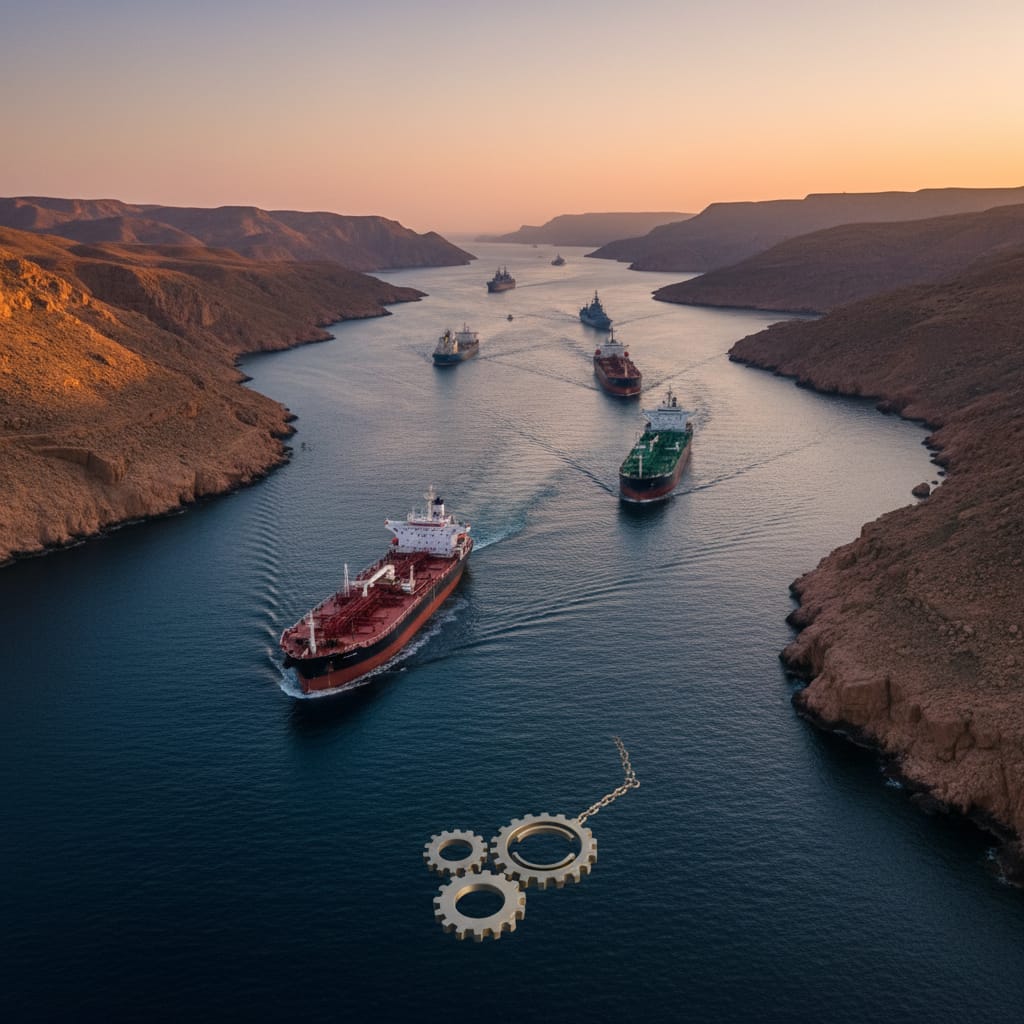
In an unexpected turnaround, U.S. President Donald Trump has publicly asked foreign governments to help defend and reopen the Strait of Hormuz after weeks of waging war against Iran without allied participation. This reversal comes after a period in which Trump dismissed allied help and criticized NATO, even as global energy markets teeter and world leaders rebuffed his appeals. The incident highlights a strategic and diplomatic rupture within major Western alliances, raising questions about U.S. influence, global energy security, and the future of collective defense.
Here’s a detailed, ground‑level investigation into what happened, why Trump changed course, how global leaders responded, and what the broader implications may mean for Malaysia and the world.
Why the Strait of Hormuz Matters
The Strait of Hormuz is a narrow sea passage between Iran and Oman. It is one of the most important routes for global oil exports. While exact transit figures vary over time, historically around one‑fifth of the world’s crude oil supply moves through this channel. Even short interruptions or threats can send oil prices sharply higher and disrupt global trade.
Since the broader conflict involving the United States, Israel, and Iran erupted in late February 2026, shipping through the strait has significantly declined due to heightened risk, insurer warnings, and Iran’s military actions. This has put enormous pressure on global energy markets and political leaders worldwide. (Allianz.com)
From Lone Action to Desperate Plea
Trump’s Initial Rhetoric Against Allied Help
In the early phase of the conflict, Trump made statements indicating that the U.S. did not need allied assistance to manage the strait crisis or confront Iran. He publicly expressed skepticism about NATO’s role and suggested that allies should shoulder more responsibility even if they did not participate directly.
At one point, he argued that NATO could have a “very bad future” if allies refused to assist in opening the strait, implying frustration with their reluctance. (The Guardian)
This message echoed a broader theme from his administration: that America should not bear the full burden of international security. It also reflected a political desire to reframe longstanding debates about burden‑sharing within alliances.
Shift to Asking for Warships and Support
As the conflict deepened and disruptions persisted, Trump openly asked several countries to send naval vessels and forces to help secure maritime navigation through Hormuz. Among these were longstanding U.S. partners, including some NATO allies and Asian countries. (Arab News)
This represented a clear reversal from earlier rhetoric that minimized the value or necessity of allied involvement.
Allied Response: Reluctance and Rejection
European Leaders Push Back
Major European countries responded coolly or negatively to Trump’s request:
- Leaders from Germany, the United Kingdom, France, Italy and others declined to send warships or commit troops to police the strait. Many emphasized that the conflict stemmed from U.S.–Iran tensions and was not their war to fight. (The Guardian)
- Europe’s refusal reflected deep political skepticism about entering a Middle Eastern conflict without clear international mandates or broader strategic consensus. Some officials stressed diplomacy over military escalation.
Asia’s Cautious Position
Countries like Japan and Australia also refrained from deploying naval forces, though they expressed concern over energy security and the need for stability in global markets. Commitments focused instead on diplomatic efforts, sanctions, or monitoring missions rather than direct combat roles. (The Guardian)
No Broad NATO Commitment
Despite Trump’s rhetoric, NATO as an alliance has not adopted a collective military role in securing the Strait of Hormuz. Many member states have reiterated that NATO’s core mission remains collective defense of member territories, and that the Gulf crisis falls outside this mandate unless formal decisions are made. (The Guardian)
Energy Markets Under Pressure
Oil and Gas Disruption
The crisis has had immediate effects on energy markets:
- Crude oil prices have surged above typical ranges, driven by fears of sustained disruption in supply channels and shipping bottlenecks through Hormuz. (CBS News)
- Analysts and energy officials note that even a partial or perceived blockage can raise insurance costs, increase shipping delays, and stoke speculation in global markets.
With Iran and its proxies targeting energy infrastructure in the Gulf region, both oil and natural gas prices have shown increased volatility. European efforts to cushion the economic impact have included emergency policy responses, including financial support to manage higher energy costs. (AP News)
Global Inflation and Economic Strain
Higher fuel prices feed into broader inflation pressures globally. For nations dependent on oil imports especially in Asia and Africa the economic impact can manifest quickly in transport and production costs. Rising fuel costs also weigh on public sentiment and can influence political dynamics domestically.
Strategic Fractures and Political Risks
Diplomatic Fallout
The refusal of many allies to assist militarily with securing the Strait of Hormuz has sparked debate about the future cohesion of alliances. Trump’s comments about NATO facing a “bad future” if allies do not help have been criticized as counterproductive by diplomats and analysts, who see it as straining relationships at a critical moment. (The Guardian)
European leaders, meanwhile, have portrayed their stance as a push for de‑escalation and diplomatic engagement rather than expeditionary warfare.
U.S. Domestic Politics
Within the United States, the war and its economic effects have become politically sensitive:
- Gas prices have risen, contributing to public dissatisfaction. Trump himself acknowledged that he expected energy costs to climb, though not as severely as feared. (People.com)
- Polls indicate declining approval ratings for the president’s handling of the war and its domestic fallout.
Political analysts suggest that concerns over energy affordability could shape public opinion and influence future elections.
Security and Military Considerations
Military analysts caution that any multinational operation in the Strait of Hormuz would be highly complex:
- The narrow waterway is heavily monitored and defended by Iranian forces, including missile systems and naval assets.
- Any miscalculation or accidental clash could rapidly escalate the conflict beyond its current boundaries.
Allied governments have stressed that any military participation must be carefully considered, framed by clear legal mandates and risk assessments.
Regional Geopolitics: Wider Implications
Middle East Power Dynamics
The crisis has altered perceptions of regional power:
- Gulf states are navigating between maintaining trade stability and avoiding entanglement in broader conflict.
- Iran continues to strike back at infrastructure, increasing volatility and heightening fears of wider war. (The Washington Post)
- Some leaders in the region are proposing alternative energy routes and infrastructure plans to reduce dependence on the strait in the long term.
Global Energy Strategy Shifts
Countries may accelerate moves toward diversifying energy sources and routes:
- Investments in pipelines and alternate transport corridors are under discussion.
- Renewable energy commitments and strategic reserves are gaining focus as a buffer against future disruptions.
These shifts could reshape energy geopolitics over the next decade.
Malaysia and International Impact
Energy Security Concerns
For import‑dependent economies like Malaysia, disruptions through the Strait of Hormuz translate into:
- Higher fuel costs
- Increased transport and logistics expenses
- Potential inflationary effects on goods and services
Malaysia’s energy planners and economists are closely watching developments and evaluating potential measures to mitigate impacts.
Trade and Diplomatic Positioning
As the crisis unfolds, countries in Southeast Asia and beyond are balancing calls for peace and stability with efforts to protect their economic interests. Diplomatic engagement remains a priority for many governments.
What Do You Think? I’d Love to Hear Your Opinion in the Comments Section.
President Trump’s shift from downplaying allied involvement to requesting international military assistance underscores deep strategic and diplomatic challenges at the heart of the 2026 Iran‑U.S. war and the Strait of Hormuz crisis. With major allies hesitant to join combat operations, energy markets under strain, and alliance cohesion under scrutiny, the world is witnessing a potential shift in how collective security and energy stability are pursued in a rapidly changing global environment.
The decisions made in the coming weeks will have far‑reaching effects on international alliances, economic stability, and the future of global energy flows.
AM World (tameer.work88@gmail.com) is a content creator under the Newswav Creator programme, where you get to express yourself, be a citizen journalist, and at the same time monetize your content & reach millions of users on Newswav. Log in to creator.newswav.com and become a Newswav Creator now!
The User Content (as defined on Newswav Terms of Use) above including the views expressed and media (pictures, videos, citations etc) were submitted & posted by the author. Newswav is solely an aggregation platform that hosts the User Content. If you have any questions about the content, copyright or other issues of the work, please contact creator@newswav.com.

