

On July 14, 2024, Sepang MP Aiman Athirah was seen holding a mock cheque for RM3 million at an event. The cheque displayed the logo of a beer company. The event was reportedly organized to raise funds for a new hall at a Chinese school in Sungai Pelek, Sepang. A post about the event quickly went viral, drawing criticism from PAS. The controversy also divided public opinion, with some supporting the idea of breweries funding schools and others opposing it.
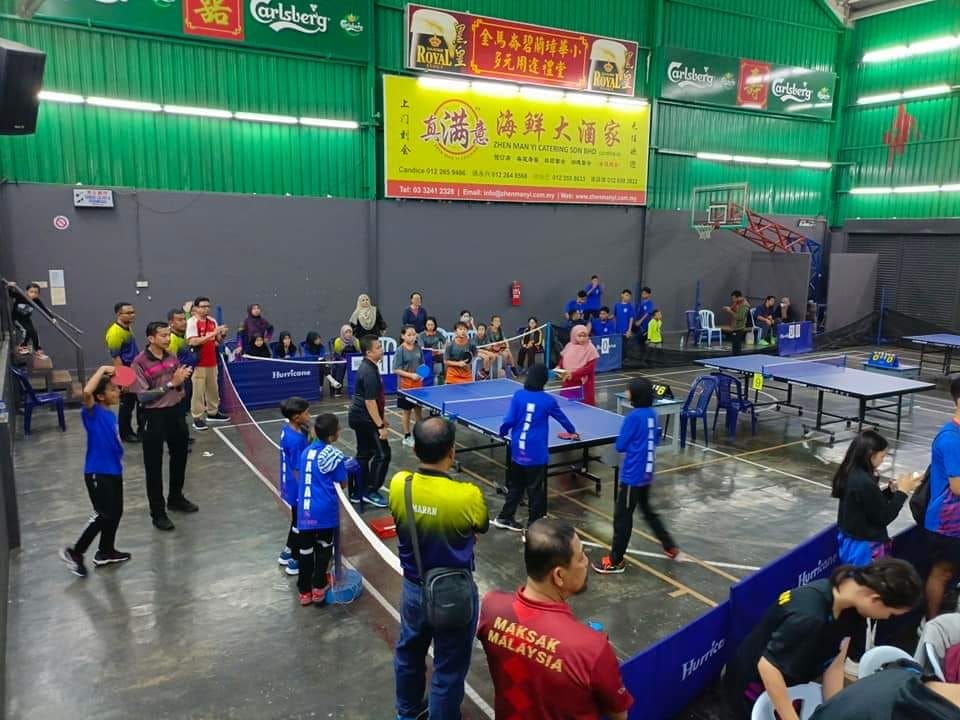
A few days after this controversy, another event faced similar criticism. A ping pong match organized by the Sports Council of Pahang Schools (MSSP) was held in a venue surrounded by alcohol advertisements. "Do not use a hall that clearly promotes alcohol. Respect our Muslim sensitivities," wrote Abdul Hadi Al-Farsi, the netizen who brought attention to the event in his post.
This raises an important question: Is it wrong for schools, especially vernacular schools, to accept funding from beer companies? To answer that, we first need to understand WHY these schools might seek financial support from breweries. According to the Education Ministry, there are 1,303 SJKCs (Chinese vernacular schools) in Malaysia, serving a total of 490,607 students. While SJKCs are part of the national education system and therefore eligible for government funding, the amount they receive depends on their classification. Of the 1,303 SJKCs, 417 are government schools, which means the government fully funds them. However, the vast majority—68 percent or 886 schools—are government-aided, meaning they only receive partial government funding.
For the majority of SJKCs, this is what they will get:
Government-Aided Schools (Sekolah Bantuan Kerajaan, e.g., SJKCs/SJKTs)
1. Location:
- Situated on private land.
2. Grants-in-Aid (Operational Costs):
- Government allocation is based on a standard formula (e.g., the number of students).
- For utility bills (water, electricity, sewerage), the government covers up to RM5,000 per month.
3. Capital Grants (Development Costs):
- For expenses like building new schools, constructing or extending buildings, renovations, and providing furniture or equipment for new or modified premises, the government covers 80% or more of the costs.
However, it is worth mentioning that funding from the government is insufficient to sustain government-aided SJK(C)s. This is the reason why these schools need to organize fundraisers. On January 9, 2010, Dong Jiao Zong—the umbrella group representing the United Chinese School Committees’ Association of Malaysia (Dong Zong) and the United Chinese School Teachers’ Association of Malaysia (Jiao Zong)—publicly stated that SJKCs have consistently struggled to secure enough development funds. This funding is crucial for the repair and maintenance of existing schools and the construction of new ones.
Beer companies play a role in this funding through indirect sponsorship, typically when these schools hold charity concerts. The companies don't donate money directly to the schools but instead cover costs in kind. For example, Heineken Malaysia's annual Tiger Sin Chew Chinese Education Charity Concert, which has been running since 1994 (except for 2020 due to Covid-19, with a virtual event in 2021), had raised over RM407 million for 540 Chinese schools by 2023. According to Heineken Malaysia, the concerts, organized in partnership with vernacular newspapers Sin Chew Daily and Guang Ming Daily, aim to raise funds for new buildings, classrooms, canteens, halls, computer labs, and smart classrooms.

Not only that but Heineken has also clarified that it only provided local artists to perform and did not donate proceeds from beer sales to the school. The company also stated that it communicates only with parent-teacher associations and school boards. This is not new; funds from the alcohol industry have been directed to vernacular schools and Chinese temples since the days of the Barisan Nasional administration, confirmed UMNO Vice-President Datuk Seri Mohamed Khaled Nordin. He noted that, “This had been practised by Barisan in the past. Money from alcohol and gambling companies was not to be used for mosques and the like so the money was given to the Chinese temples and vernacular schools. This is the practice that we are continuing in this current government".
Even if breweries directly fund vernacular schools, what’s wrong with that? As we've already seen, the vast majority of Chinese vernacular schools receive insufficient government funding, and upgrading or maintaining school facilities requires money. If the funding comes from the alcohol industry and is used to improve the school facilities for its staff, and its students, what's the issue? It would be an entirely different issue if these breweries were pressuring school canteens to sell alcohol or encouraging children to consume it.
Aaron Colt is a content creator under the Newswav Creator programme, where you get to express yourself, be a citizen journalist, and at the same time monetize your content & reach millions of users on Newswav. Log in to creator.newswav.com and become a Newswav Creator now!
The User Content (as defined on Newswav Terms of Use) above including the views expressed and media (pictures, videos, citations etc) were submitted & posted by the author. Newswav is solely an aggregation platform that hosts the User Content. If you have any questions about the content, copyright or other issues of the work, please contact Newswav.

