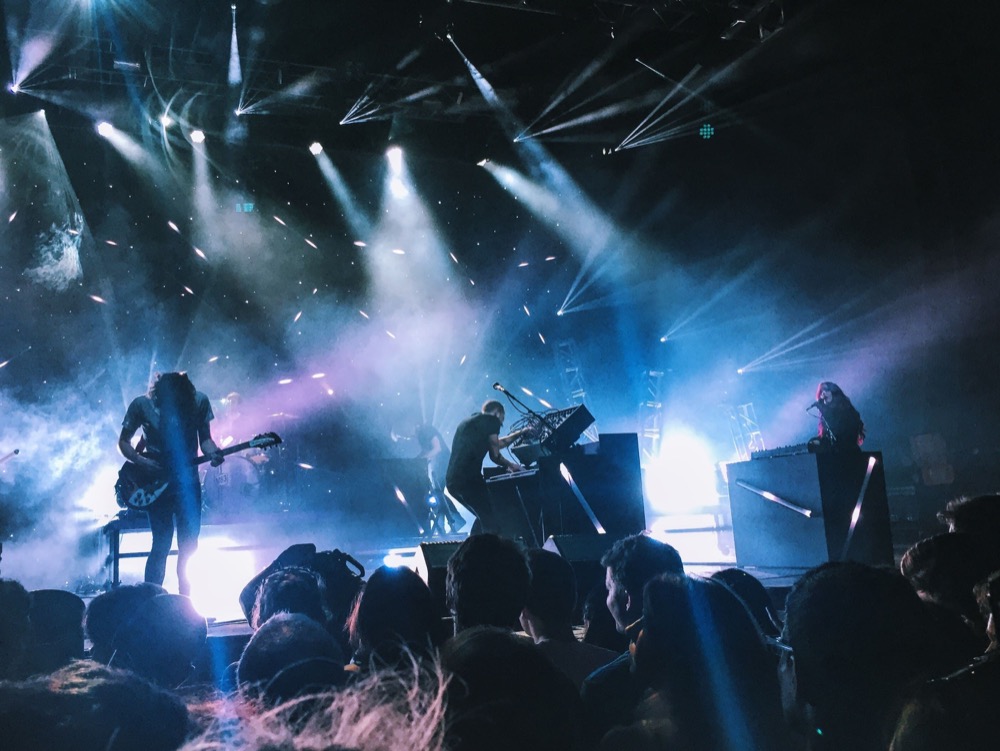
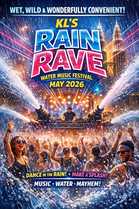
Kuala Lumpur was supposed to shine this Labour Day weekend. From April 30 to May 2, 2026, the capital is set to host the World Labour Day Celebration Cum Rain Rave Water Music Festival — a three-day showcase positioned as one of the headline attractions for Visit Malaysia 2026. Designed to turn rain into spectacle, the festival promises music, culture, nightlife, food, and tourism energy right in the heart of the city.
Organisers envisioned an event built around immersive experiences: rain-themed environments of light and water, a curated Malaysian village market, daytime “coffee raves”, night performances, food bazaars, and a star-studded lineup featuring international and local names such as Wujackers (Singapore’s DJ Wukong x Dutch duo Bassjackers), Joe Flizzow, and DOLLA. It was marketed as a bold symbol of Malaysia’s youthful confidence and a magnet for tourists during the long Labour Day holiday.
But before the music could even begin, outrage erupted.
Instead of celebrating an event expected to boost tourism, showcase Malaysian talent and inject spending into the local economy, critics moved swiftly to condemn it. The Federal Territories Islamic Religious Department (Jawi) publicly objected to the festival, warning that it could lead to “moral harm” and even the “collapse of societal values.”
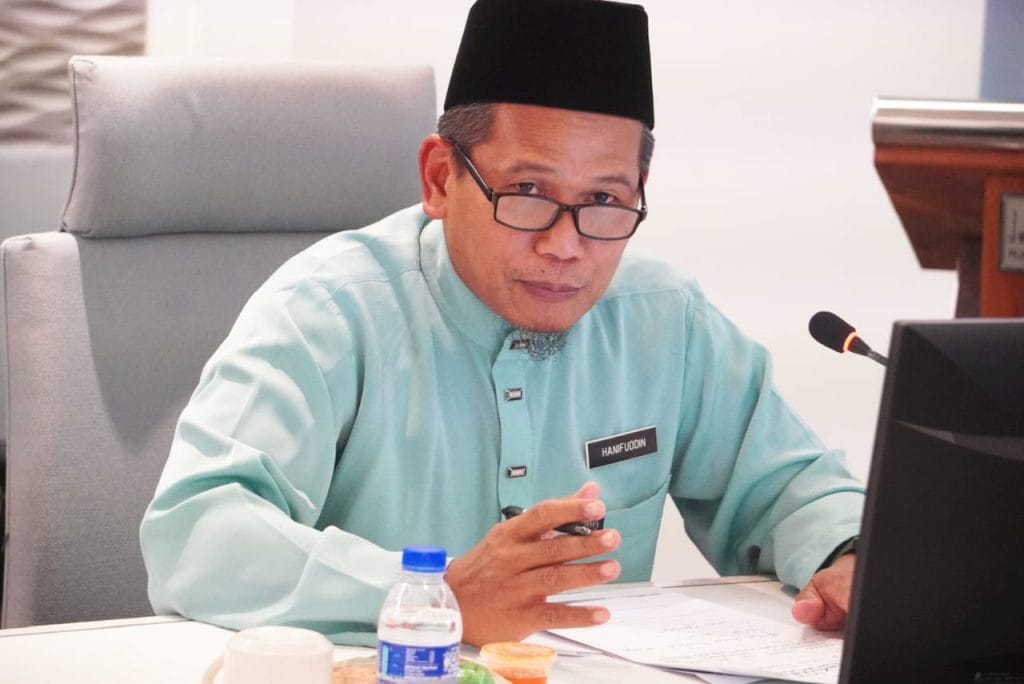
Jawi director Hanifuddin Roslan said the department regretted the programme and urged organisers to rethink the concept, citing sensitivities within Malaysia’s multiracial and multireligious society. He added that while Islam does not reject entertainment, such events must comply with sharia guidelines and avoid elements that could undermine religion or public morals.
Then came political firepower. Umno Youth chief Dr Akmal Saleh questioned why the government would allow a water-themed festival to proceed while cancelling official Hari Raya open houses as a cost-saving measure amid economic pressures linked to the Iran war. If austerity was the reason for cancelling one celebration, he asked, why was this festival spared?
He went further — asking whether government belt-tightening rules applied only selectively, and whether it made sense to host a water festival while authorities were carrying out cloud-seeding efforts to increase national water reserves. He also challenged the religious affairs minister and federal territories mufti to declare their positions, while calling on Prime Minister Anwar Ibrahim to cancel what he described as a “foolish” event. He also demanded the removal of tourism, arts and culture minister Tiong King Sing.
The outrage in regards to Rain Rave Water Music Festival has been picked up by the media from Free Malaysia Today to South China Morning Post. Personally, I think it is unjust to condemn Rain Rave Water Music Festival. Here are some reasons why:
1. The Music Festival Could Bring a Major Wave of Tourists and Spending
There is little doubt in my mind that the Rain Rave Water Music Festival has the potential to attract a large number of tourists while giving the local economy a meaningful boost. Events of this scale do not only benefit organisers. Hotels, restaurants, transport providers, small businesses, and street vendors often enjoy the spillover from the surge in visitors. When tourists arrive, money moves across multiple sectors.
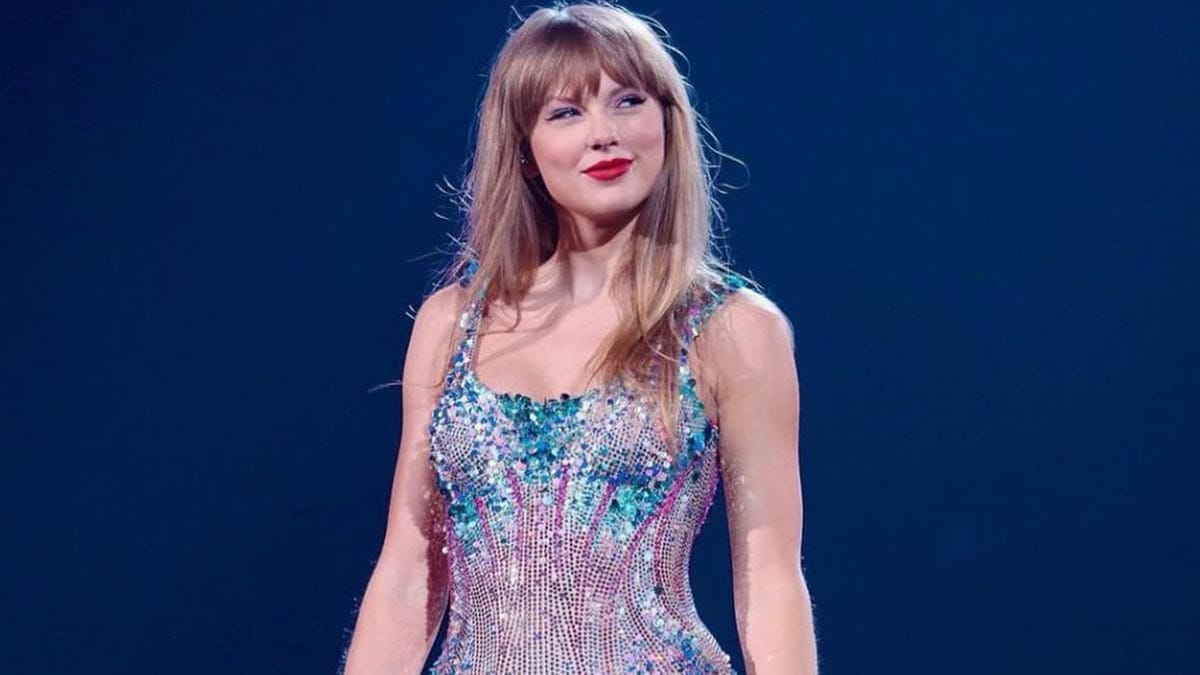
Just look at the example of Taylor Swift’s Eras Tour in Singapore. Erica Tay, Director of Macro Research at Maybank, told CNBC that tourism receipts linked to the concerts could reach between S$350 million and S$500 million, assuming many concertgoers travelled in from across Asia. That is the economic power of a major entertainment event.
The benefits go far beyond ticket sales alone. Sarah Wan, General Manager for Indonesia, Malaysia and Singapore at Klook, said tourists attending concerts or festivals often spend significantly more during their trip. Based on Klook’s data, a visitor can generate spending worth up to five times the face value of the ticket, including hotels, dining, and experiences. She added that an average traveller may spend an extra US$800 locally.
Malaysia has already seen this effect firsthand. When Coldplay performed in Kuala Lumpur in 2023, they sold 81,812 tickets, making it the most attended concert of their career at the time. According to Coldplay Charts on X, the Bukit Jalil National Stadium show grossed US$10.9 million (RM51.9 million) from ticket sales alone. That figure does not even include hotel stays, food spending, transport, shopping, and tourism activities.
So it is fair to ask: do official Hari Raya open houses generate the same level of international tourist demand? Will travellers fly across the world specifically for such events in the same way they would for a major music festival? In my view, it is understandable why the government may choose to cancel one event while preserving another with far stronger tourism and economic potential.
Speaking to WiT, Sarah Wan also noted that mega-events such as concerts, festivals, and major sporting occasions create substantial economic benefits because visitors seek additional services and experiences during their stay. She said Klook observed a 50% increase in demand for travel activities during periods when major events, such as Taylor Swift’s concerts, were held in Singapore. That is the multiplier effect Malaysia should be paying attention to.
2. Every Attendee Is Expected To Dress Appropriately
Every attendee is expected to dress appropriately for the Rain Rave Water Music Festival. In fact, one of the event’s clearly stated “Don’ts” is to not dress inappropriately or disregard event guidelines. The rules also make it clear that alcohol consumption and illegal substances are strictly prohibited. Authorities have warned that firm action will be taken against anyone causing harm, distress, or disruption during the festival.
Visitors are also expected to cooperate fully with on-ground personnel, security teams, and enforcement officers throughout the event. This is not a free-for-all gathering with no rules or oversight. It is a structured public event with clear regulations, crowd control measures, and official supervision in place. Those attending should understand that compliance is expected at all times.
More importantly, this is a government-linked event, which means the authorities’ own reputation is on the line. There is simply no realistic scenario where organisers would permit nudity, indecent behaviour, open intoxication, or any conduct that could embarrass the government in front of locals and international visitors. The scrutiny on such an event would be far higher than an ordinary private concert.
Because of that, the public can be confident that standards will be tightly enforced. Dress codes, behavioural rules, and safety regulations exist precisely to ensure the event remains orderly and family-friendly. Claims that the festival would automatically lead to “moral harm” or even the “collapse of societal values” appear greatly exaggerated when strict controls are already built into the event itself.
3. Kedah Had the Songkran Festival Last Month — So Where Was the Outrage?
One of the loudest critics of the Rain Rave Water Music Festival is PAS. Mohamed Sukri bin Omar, in a Facebook post, claimed the event clearly violates “values of decency”, “local cultural sensitivities”, and “social harmony”, especially within Malaysia’s multiracial context with Islam as the religion of the Federation.
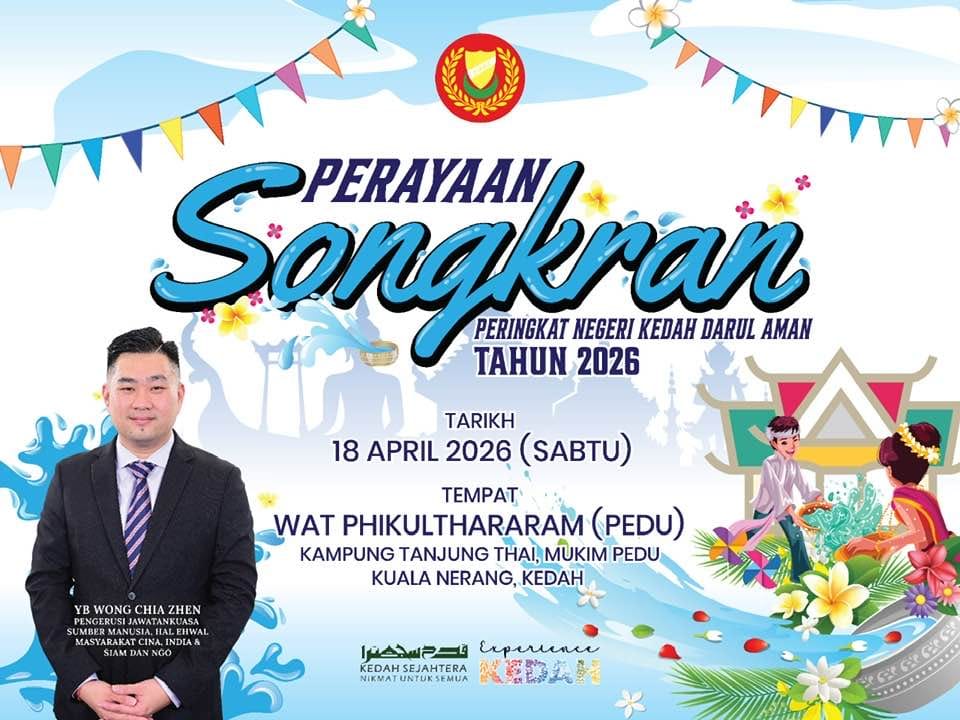
My question to him is simple: where was this same outrage when the Kedah State Songkran Festival Celebration 2026 was held just last month at Wat Phikulthararam, Kampung Tanjung, Pedu? Songkran is internationally known as a water-based celebration, yet there was no comparable wave of condemnation, no dramatic warnings about moral collapse, and no loud campaign demanding it be stopped.
More importantly, this was not a private gathering hidden from public view. It was an event organised by the Kedah State Government for the third consecutive year to celebrate the Siamese community’s festival in the state. The current Menteri Besar of Kedah is Muhammad Sanusi Md Nor of PAS. That means a PAS-led administration has overseen and allowed the celebration to continue year after year without issue. The Kedah state government had also designated RM70,000 for this year’s state-level Songkran celebrations (held on April 18-19).
So the public is entitled to ask: why is one water-themed celebration in Kedah acceptable, while another in Kuala Lumpur suddenly becomes a threat to morality and society? If principles are genuine, they should be applied consistently. If outrage only appears when the event is organised by political rivals, then it begins to look less like moral concern and more like selective politics.
This is where the criticism loses credibility. Malaysians can recognise the difference between sincere concern and convenient outrage. If PAS had no major objection to a state-backed Songkran festival under its own administration, then attacking the Rain Rave Water Music Festival now invites accusations of double standards.
A principle that changes depending on who organises the event is not a principle at all. It is politics dressed up as morality.
In the end, the real question is not whether Malaysians should have entertainment, tourism events, or cultural festivals. The real question is whether we are willing to judge such events fairly, rationally, and consistently. A programme should be assessed based on its rules, economic value, public safety measures, and actual impact — not fear-driven assumptions or political convenience.
Malaysia cannot claim to welcome tourists, attract investment, and compete with regional destinations while simultaneously condemning every bold or modern idea the moment it appears. Cities across Asia are aggressively building their brands through concerts, festivals, sporting events, and lifestyle experiences. If Kuala Lumpur hesitates every time controversy is manufactured, we risk being left behind.
At the same time, respecting culture and religion is important. But respect should not be weaponised to shut down every event before it even begins. There is a clear difference between responsible entertainment with regulations in place, and genuine misconduct. If standards are enforced properly, there is no reason why progress and values cannot exist side by side.
The Rain Rave Water Music Festival should therefore be viewed with balance, not hysteria. If it is well-managed, it can generate tourism income, create opportunities for local businesses, showcase Malaysian talent, and present Kuala Lumpur as a vibrant international city. Those are benefits worth recognising instead of ignoring.
Most importantly, Malaysians deserve consistency from those who speak loudly about morality and public values. Principles should apply equally, whether an event is held in Kuala Lumpur, Kedah, or anywhere else. If outrage depends on who organises the programme, then the issue was never morality to begin with.
Sometimes, the loudest noise does not come from the festival stage. It comes from politics.
Aaron Colt (aaronafter@hotmail.com) is a content creator under the Newswav Creator programme, where you get to express yourself, be a citizen journalist, and at the same time monetize your content & reach millions of users on Newswav. Log in to creator.newswav.com and become a Newswav Creator now!
The User Content (as defined on Newswav Terms of Use) above including the views expressed and media (pictures, videos, citations etc) were submitted & posted by the author. Newswav is solely an aggregation platform that hosts the User Content. If you have any questions about the content, copyright or other issues of the work, please contact creator@newswav.com.