.jpeg)
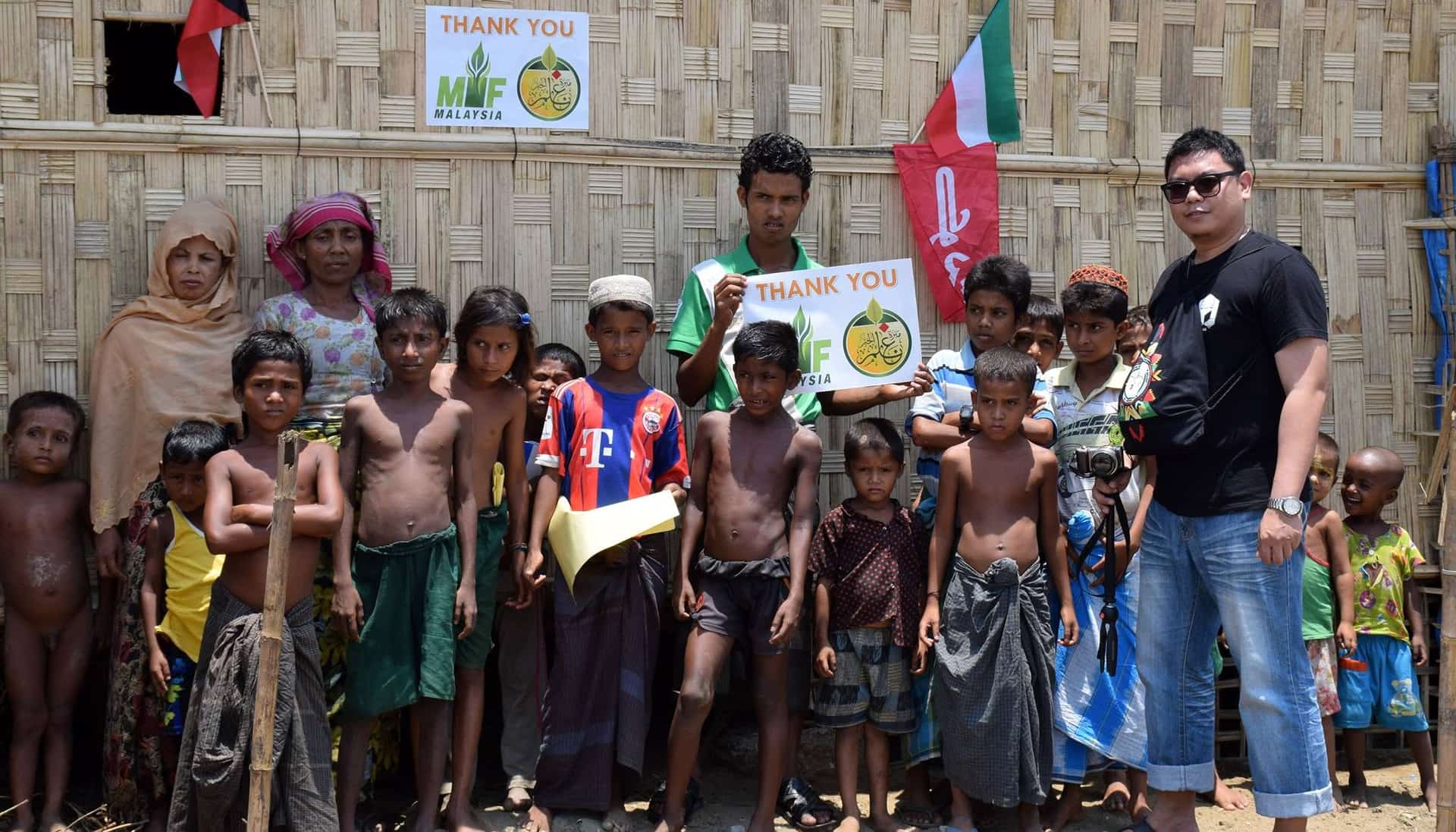
In Sittwe, the capital of Myanmar’s Rakhine State, and in the internally displaced persons (IDP) camps on its outskirts, one does not need a long explanation to understand the Rohingya tragedy. The road to the camps is enough. In late May and early June 2016, I travelled there on a humanitarian and media mission, and what struck me first was that the suffering did not live only in the shelters. It lived in the distance between a human being and the simple right to move. Our four-wheel-drive vehicles pushed through rough dirt roads, and at every security checkpoint the reality became clearer: these people were not living in temporary camps. They were living in a long waiting room guarded by permits, barbed routines and fear.
That visit did not take place before the Rohingya crisis. It took place before its larger explosion in 2017. The camps I saw near Sittwe were already the result of the 2012 violence in Rakhine, when tens of thousands of Muslims, most of them Rohingya, were displaced inside their own state. By then, the crisis had moved beyond the language of an isolated security incident. It had become a closed social reality: people confined to narrow spaces, unsure when “temporary” displacement would end, or how temporary life could ever return to normal.
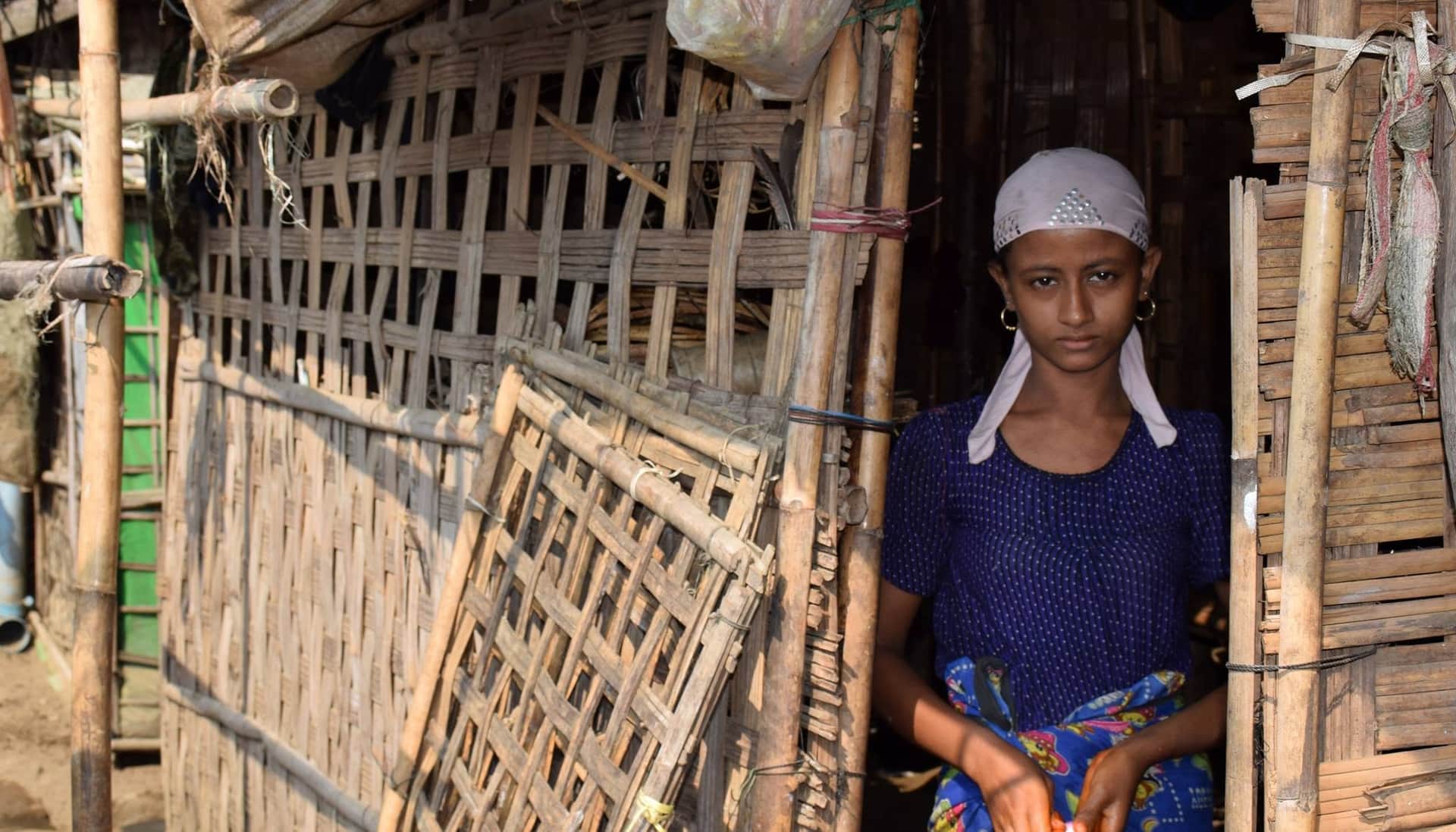
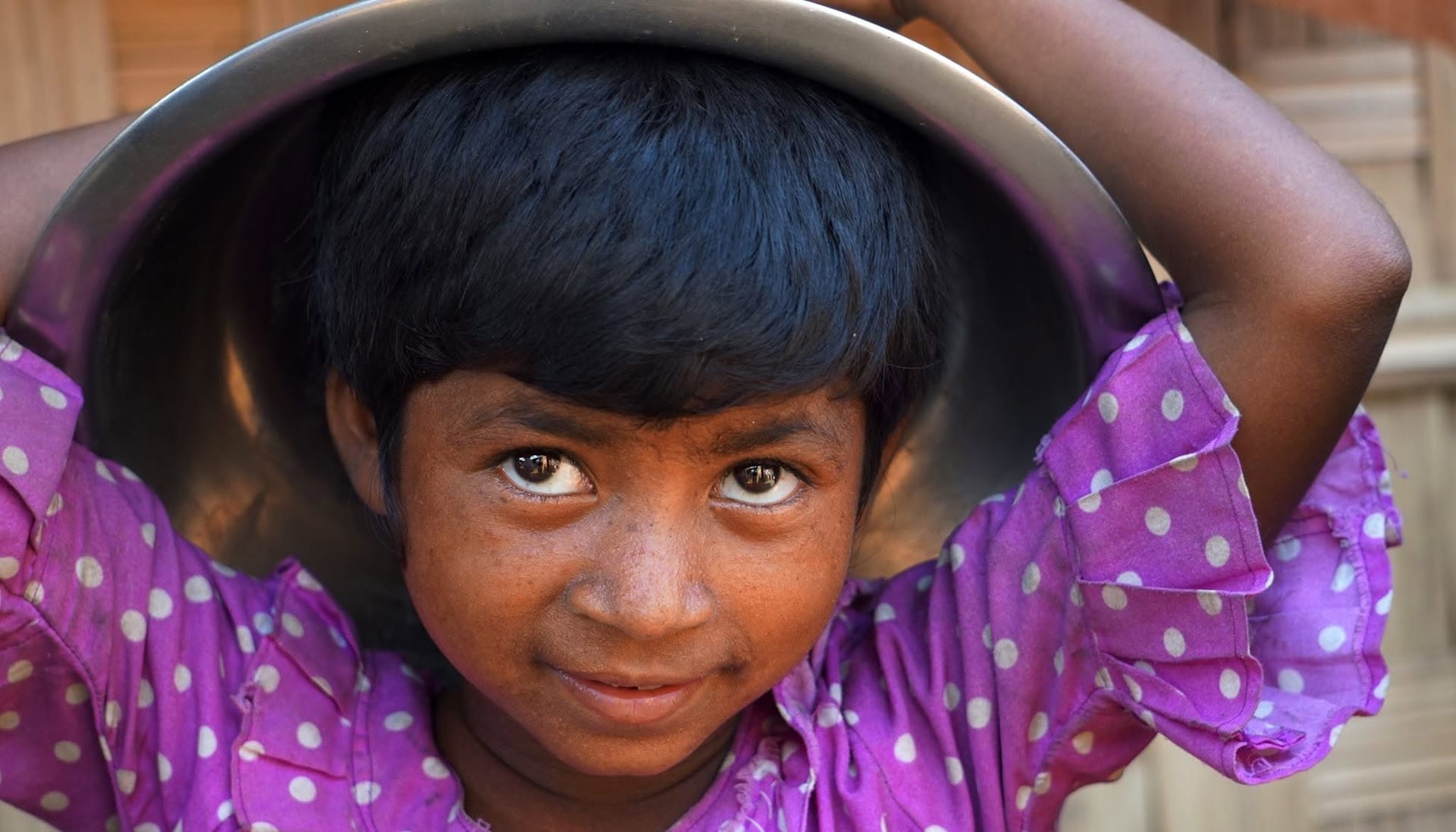
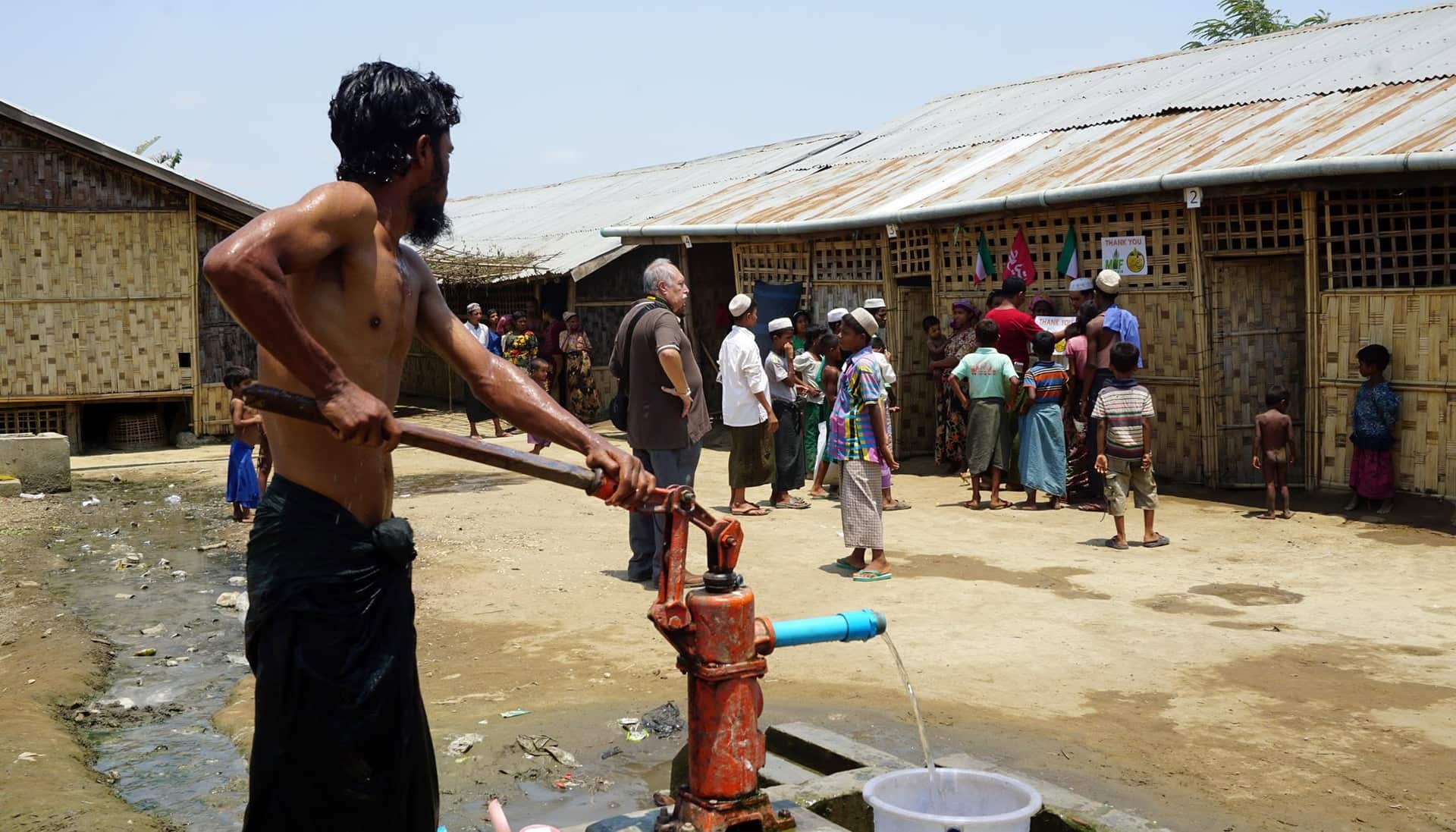
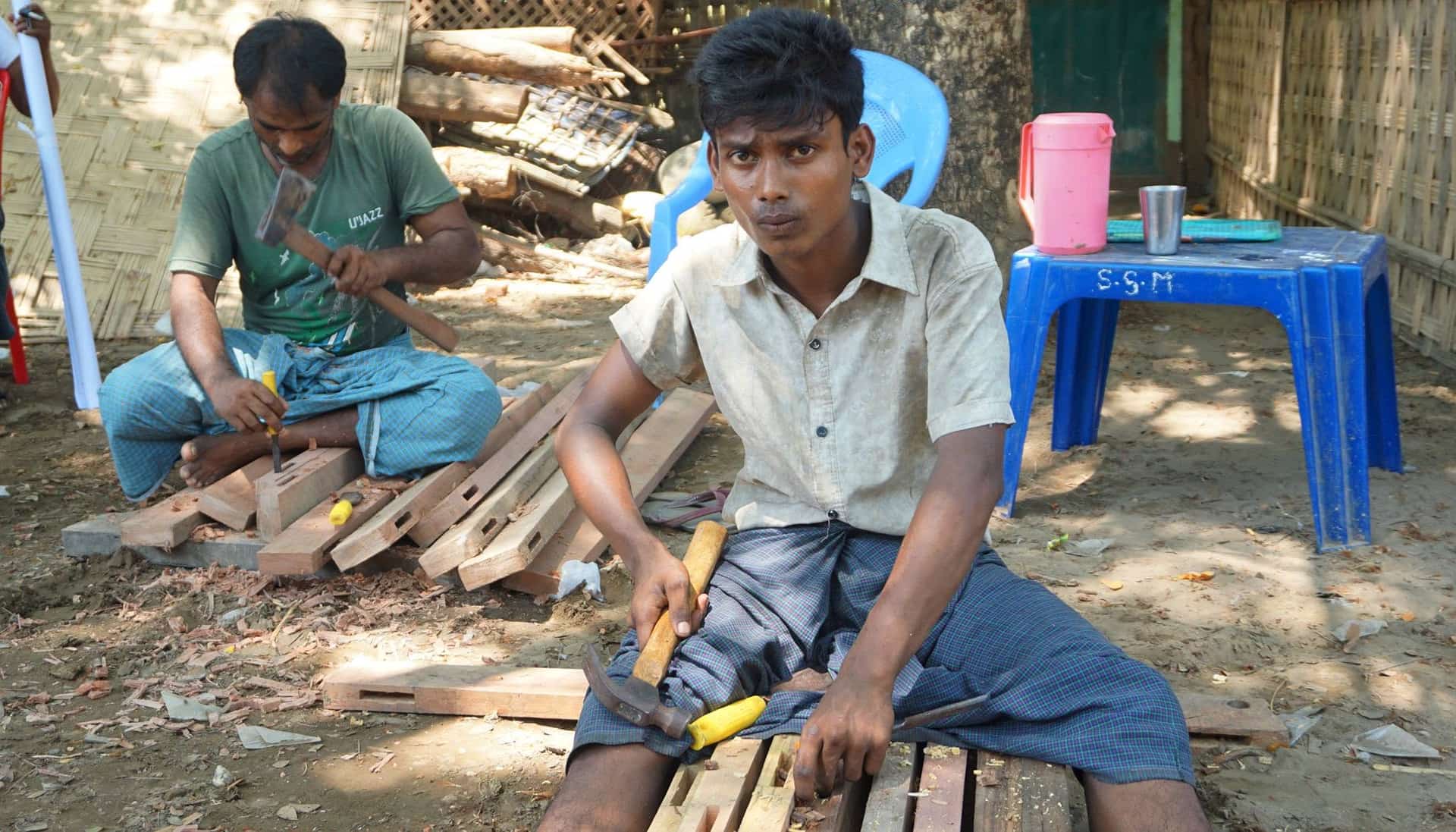
The photographs that remain from that journey say what statistics alone cannot. A child carrying a metal bowl on his head. A young girl standing at the entrance of a bamboo house. Men doing basic carpentry. Women waiting in thin patches of shade. A water pump standing in the middle of the camp like its fragile heartbeat. These were not images for passing sympathy. They were clues to the deeper story. The Rohingya were not a community leaving a stable homeland in search of advantage. They were a Muslim minority that had lived for decades with denial of citizenship, restrictions on movement, limited access to work, education and public services. For many, displacement was not a sudden break from ordinary life; it was an extension of a life that had already been heavily restricted.
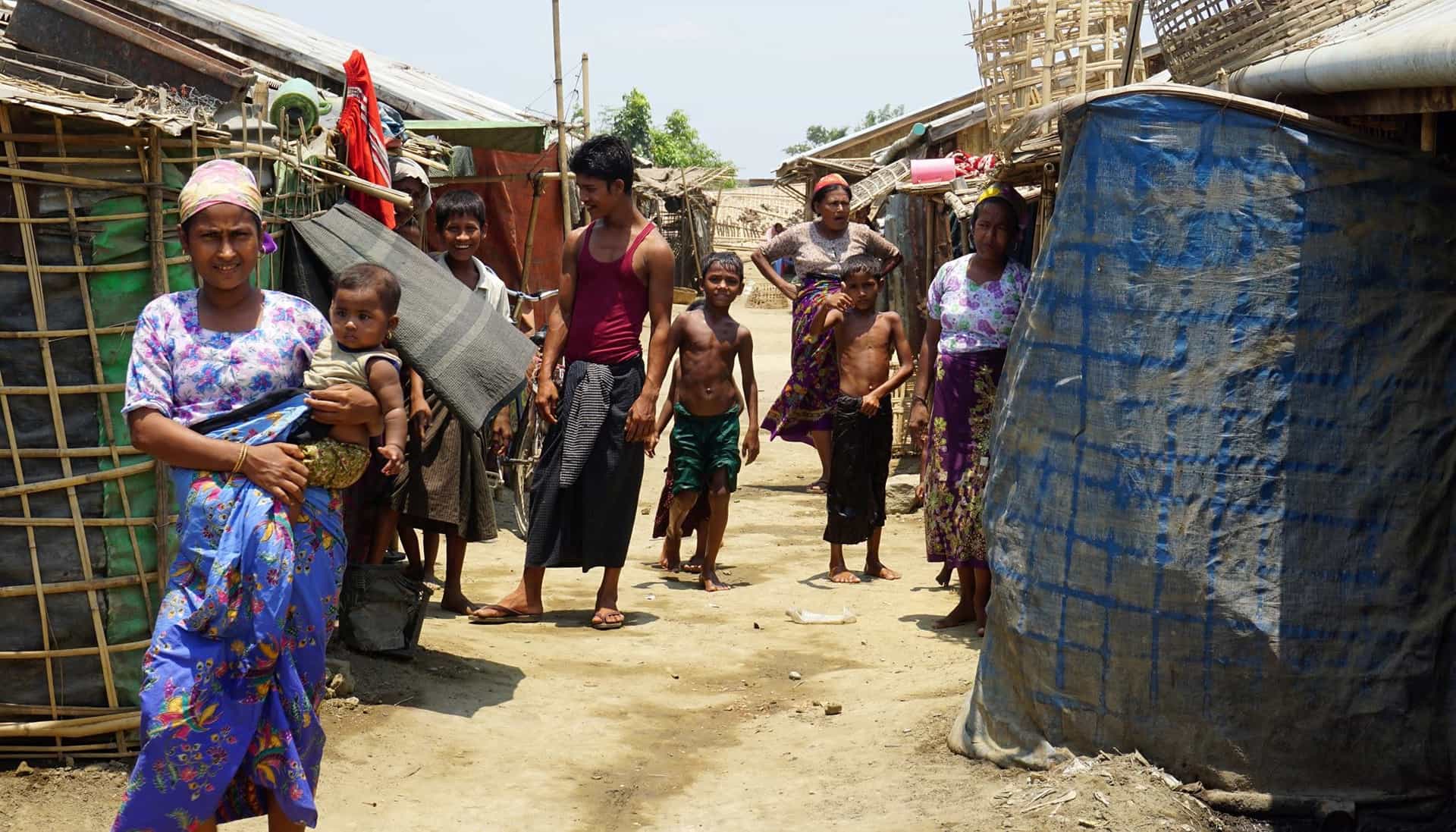
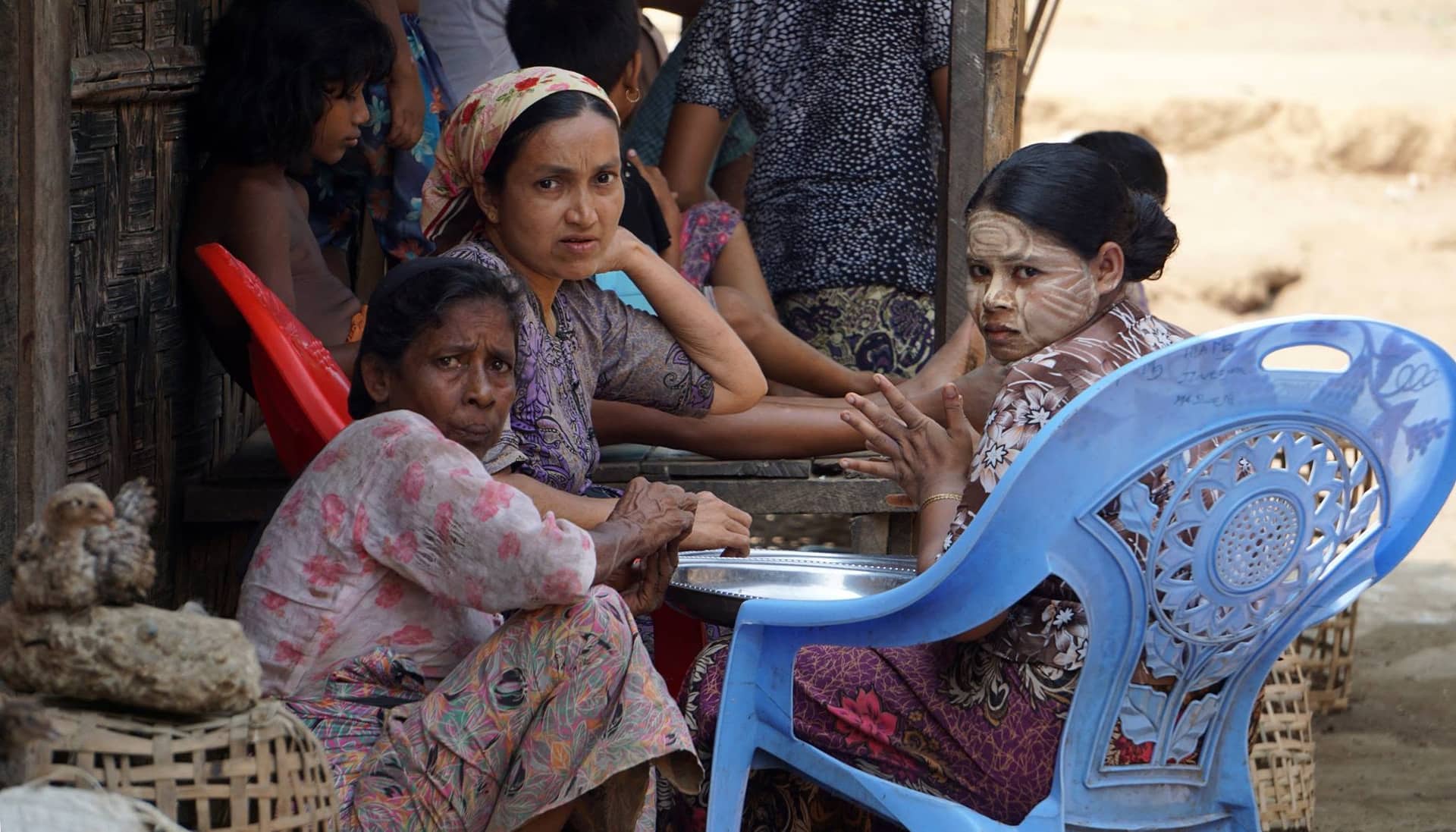
Inside those camps, poverty appeared less accidental than arranged. The homes were made of bamboo, palm leaves and corrugated sheets. The paths were narrow. The market was small. Daily life revolved around a short list of essentials: water, food, medical care, permission, and, where possible, temporary movement outside the camp. When displacement lasts too long, a camp stops being an emergency shelter. It becomes a weakened society of its own, where children are born into waiting, young people learn skills without a horizon, and families measure time not by the future but by the next meal.
The presence of some Malaysian relief organisations during that journey was also noticeable. Malaysia had come to know the Rohingya tragedy early, not only through diplomacy or public debate, but through aid convoys, charity work and popular solidarity. Yet humanitarian assistance, however sincere, cannot by itself solve a crisis whose roots are legal, historical and political. A camp does not need food alone. It also needs an answer to a larger question: how can a person denied recognition in his own country find a path to safety without becoming a permanent burden in another?
The crisis developed quickly after that visit. In August 2016, the Advisory Commission on Rakhine State, chaired by Kofi Annan, was announced. In October 2016, attacks and subsequent security operations further raised tensions in northern Rakhine. Then, in 2017, the Rohingya tragedy became a major regional crisis. Years later, Human Rights Watch described the continued confinement of about 130,000 Rohingya and other Muslims in Rakhine camps as an open-ended form of detention that had persisted since 2012. For anyone who had seen the restrictions on movement, the difficulty of access and the weakness of services, that description did not feel exaggerated. A prison does not always need high walls. Sometimes a gate, a permit and fear are enough.
Today, the issue is no longer confined to Sittwe or Rakhine. According to the UN refugee agency, there were more than 1.6 million refugees and asylum seekers from Myanmar in the region by the end of April 2026. The number of Rohingya refugees and asylum seekers in the region stood at about 1.329 million by the end of 2025, while more than 519,000 Rohingya remained stateless inside Myanmar. These figures show that what I saw in the IDP camps near Sittwe was not a distant margin of the crisis, but part of a wider map of displacement stretching from Rakhine to Bangladesh, and from the Andaman Sea to Malaysia, Indonesia and Thailand.
Malaysia now stands at the centre of this humanitarian and policy challenge. By the end of February 2026, UNHCR had registered about 215,600 refugees and asylum seekers in Malaysia, including 193,824 from Myanmar, among them 126,144 Rohingya. These are large numbers, and they naturally raise serious questions about regulation, public services, employment, local security and social pressure. A society that feels pressure in its neighbourhoods, markets and public spaces has the right to ask difficult questions. The state, in turn, has the duty to answer them with a clear policy rather than leaving the public alone with anxiety and rumours.
It was in this climate that a petition calling for the removal of Rohingya from Malaysia gained more than 424,000 signatures by June 8, according to media reports, before being placed under review. The campaign also drew criticism from civil society groups and was accompanied by misleading and fabricated online posts targeting the community. It would be neither fair nor professional to describe every signatory as motivated by hatred. Some may have been driven by economic worries, security concerns or frustration over what they see as an insufficiently regulated situation. The danger of online petitions and digital campaigns, however, is that they can gather legitimate concerns, false information and emotional reaction into one fast-moving wave.
The debate cannot be separated from the climate of fear created by inaccurate information. When claims spread that Rohingya are demanding land or political rights, the refugee is easily recast in the public imagination as a competitor rather than a person in need of protection, as a threat rather than the result of a crisis he did not create. It is possible that an individual, or a few individuals, may have said things that do not represent the wider community. But turning an isolated statement or an anonymous post into a judgement on tens of thousands of people is neither just nor sound policy. Most Rohingya who have reached Malaysia are seeking safety, work and a life less cruel than the one they fled, not land or political rights they were denied even in their own country.
This is why Malaysia needs both clearer policy and more responsible public language. Malaysia is not a party to the 1951 Refugee Convention or its 1967 Protocol, and therefore does not have the same comprehensive legal framework for refugees as countries that have signed those instruments. That makes the issue more complicated. The Malaysian government has been working hard to manage foreign presence, address violations, protect public services and prevent exploitation, while the country hosts large numbers of refugees and asylum seekers. Yet any policy remains incomplete without explanation, transparency and communication with the public. When reliable information is absent, rumours fill the space; and when fair regulation is weak, both citizens and refugees pay the price.
The tragedy is made even heavier by the fact that escape routes themselves have become deadly. UNHCR said 2025 was the deadliest year on record for Rohingya maritime movements, with about 900 people reported dead or missing in the Bay of Bengal and the Andaman Sea, while more than 6,500 attempted those dangerous journeys. Thousands more continued to take to the sea in the early months of 2026. These numbers do not justify disorder, nor do they remove the right of states to regulate their borders and communities. But they remind us that people do not board deadly boats unless the land behind them has become even more impossible.
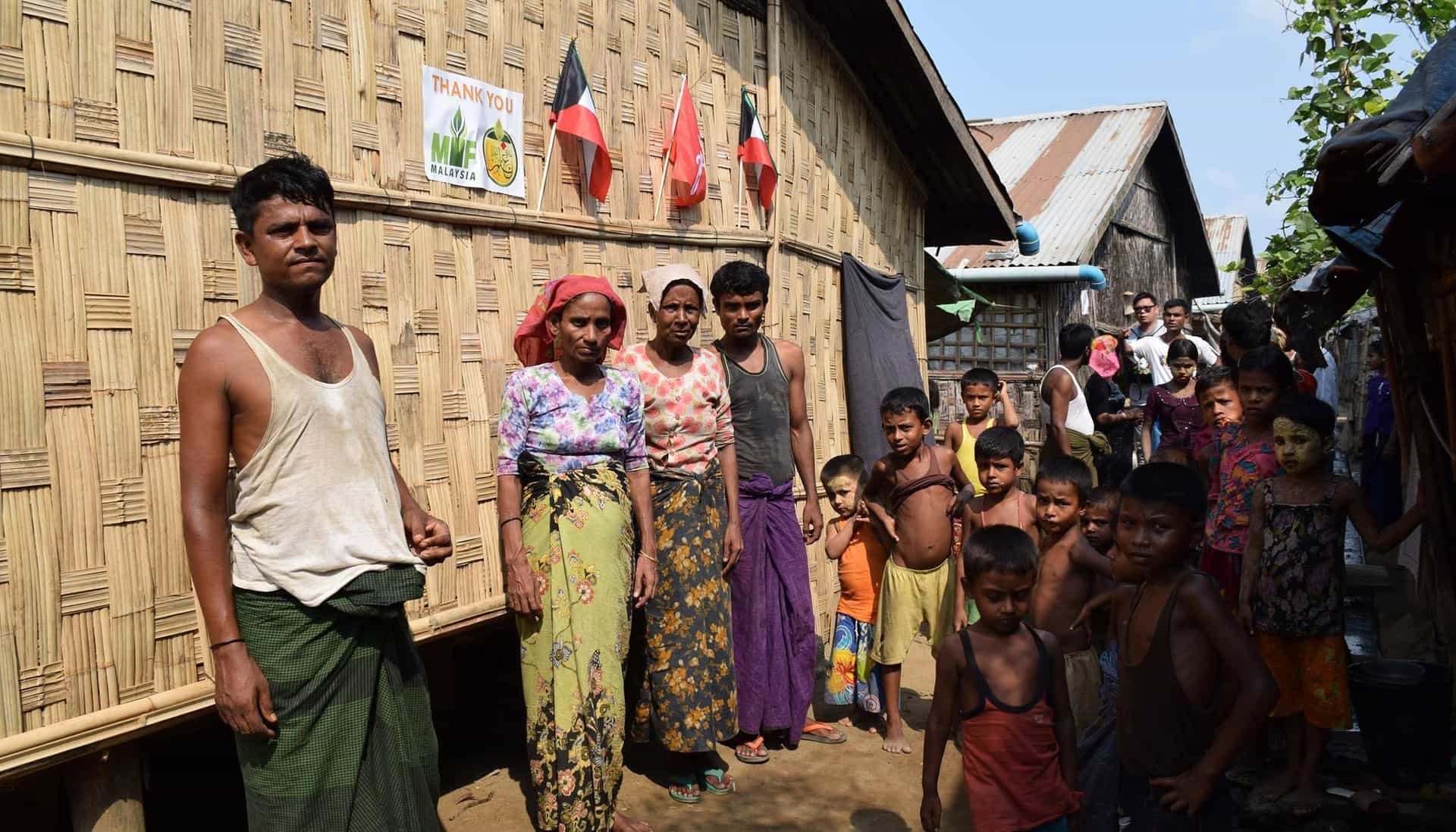
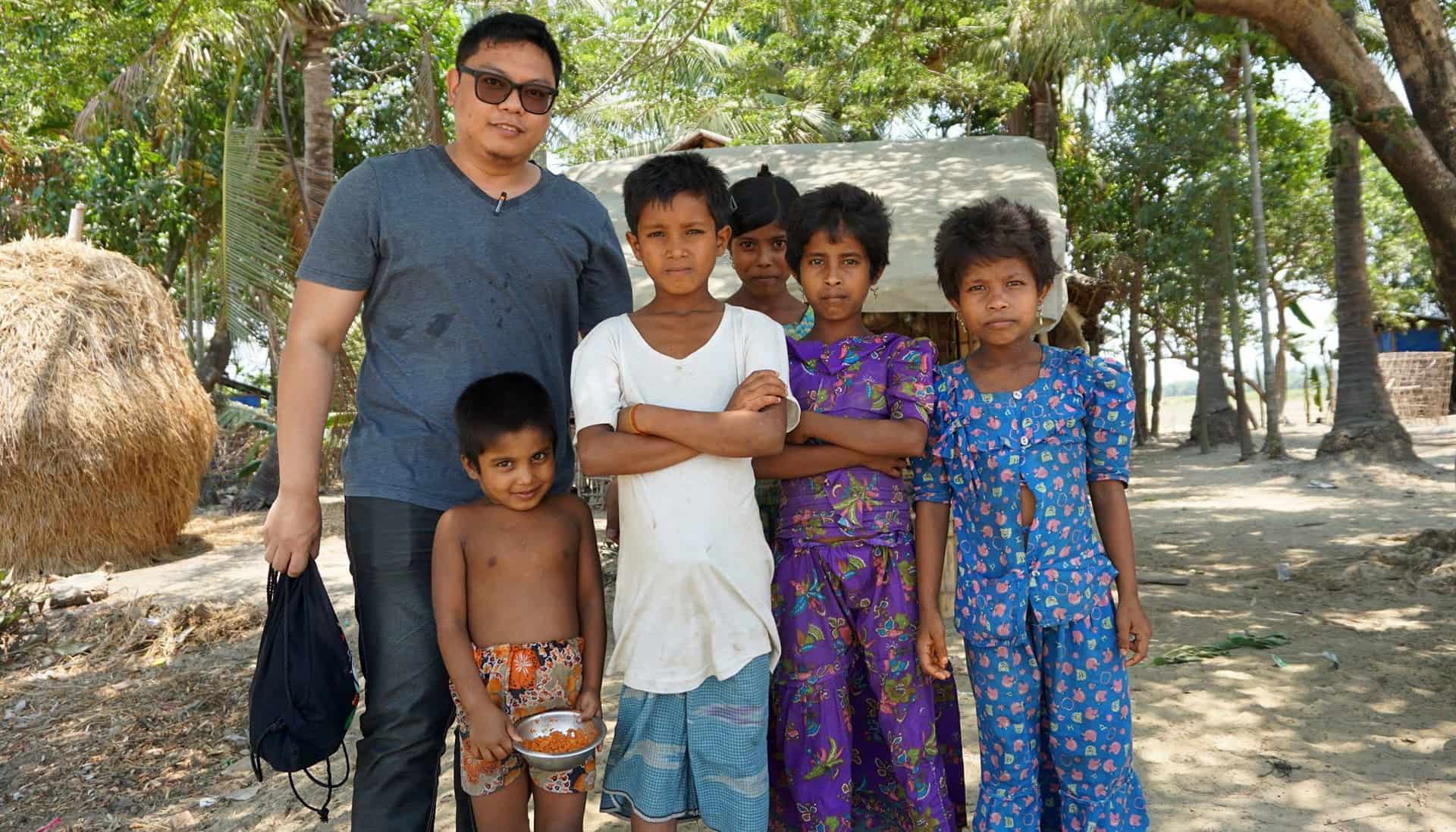
What I saw the IDP camps near Sittwe makes me view the Rohingya issue in Malaysia as part of a much longer memory than an online petition or a temporary campaign. There, the barrier was military and administrative. Here, it can become social and digital, shaped by fear when fear feeds on inaccurate information. If the Rohingya lost the right to recognition and movement in Rakhine, they should not lose, in Malaysia, the right to be understood before being judged by impression.
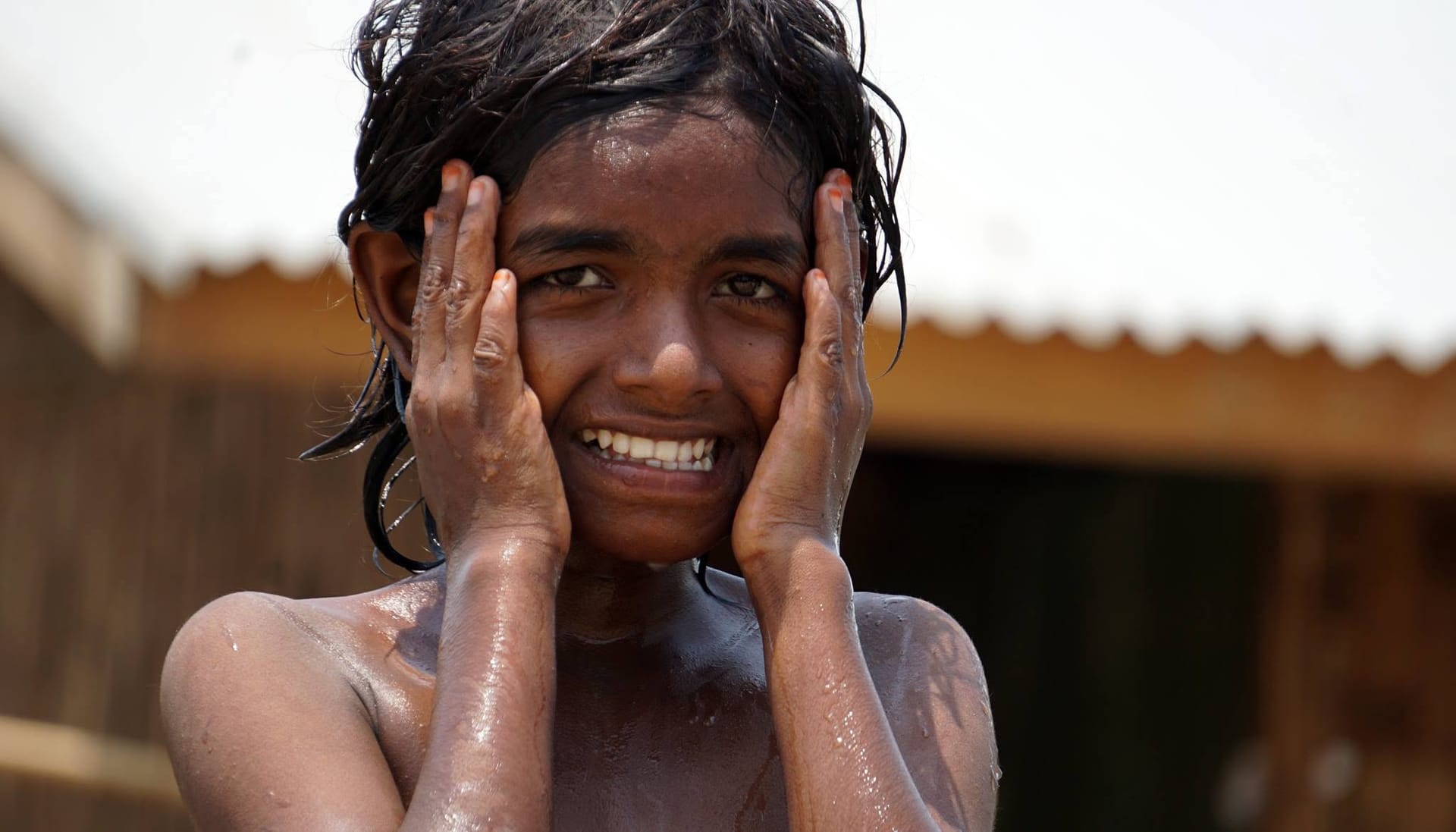
When I recall that journey to Sittwe, the faces of the children return to me first, before the dirt roads, the checkpoints and the fragile houses. They did not explain their suffering in words, but their faces said what description often fails to carry. They stood in front of bamboo homes under a harsh sun, as if asking the world a simple question: is weakness enough to make a human being suspect? Today, as the echo of those faces reaches Malaysia, the question is not only about the Rohingya. It is also about us: how do we manage fear without losing justice? And how do we protect society from disorder without adding another door of expulsion to the memory of those who have already been driven out?
Abdullah Bugis (kualalumpur.abdullah@gmail.com) is a content creator under the Newswav Creator programme, where you get to express yourself, be a citizen journalist, and at the same time monetize your content & reach millions of users on Newswav. Log in to creator.newswav.com and become a Newswav Creator now!
The User Content (as defined on Newswav Terms of Use) above including the views expressed and media (pictures, videos, citations etc) were submitted & posted by the author. Newswav is solely an aggregation platform that hosts the User Content. If you have any questions about the content, copyright or other issues of the work, please contact creator@newswav.com.
