

If you have been following my reviews for a while, you already know my biggest gripe with flagship phones these days. They keep getting bigger. Every year the “Pro” or “Ultra” model in every lineup grows another few millimetres taller, wider, and heavier, until half of them barely fit in a normal pocket anymore.
So when they sent over the OPPO Reno16 Pro for testing, I was genuinely excited the moment I unboxed it. This is a phone that goes against the trend, and after spending time with it, I can safely say it might be one of my favourite phones this year, not because of what it adds, but because of what it does not add. It stays small.
My review unit here is the Pop White colourway, running 12GB of RAM paired with 256GB of storage, which is the standard configuration OPPO Malaysia is bringing in. Let me walk you through everything this phone has to offer, and also where it falls a little short, because as always, I am not here to just sing praises.
Design and First Look
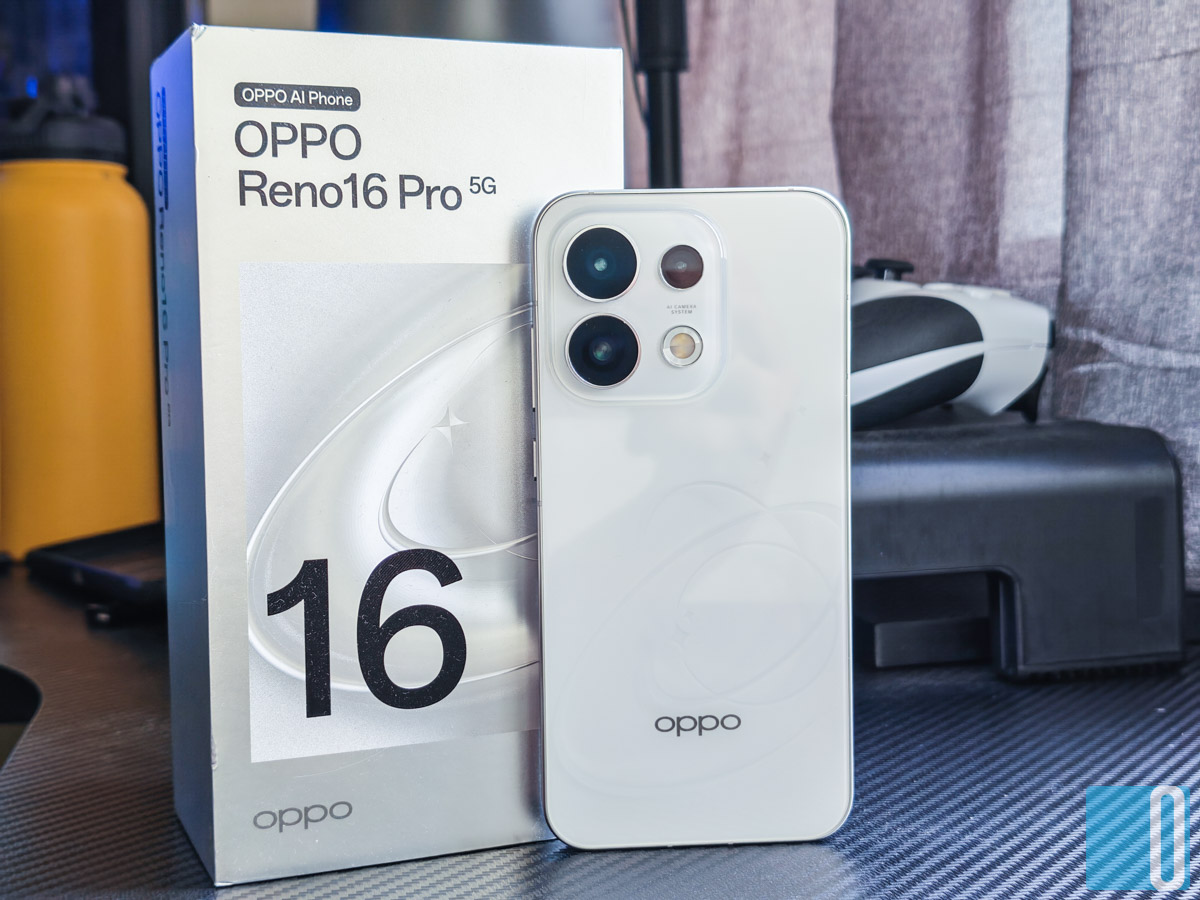
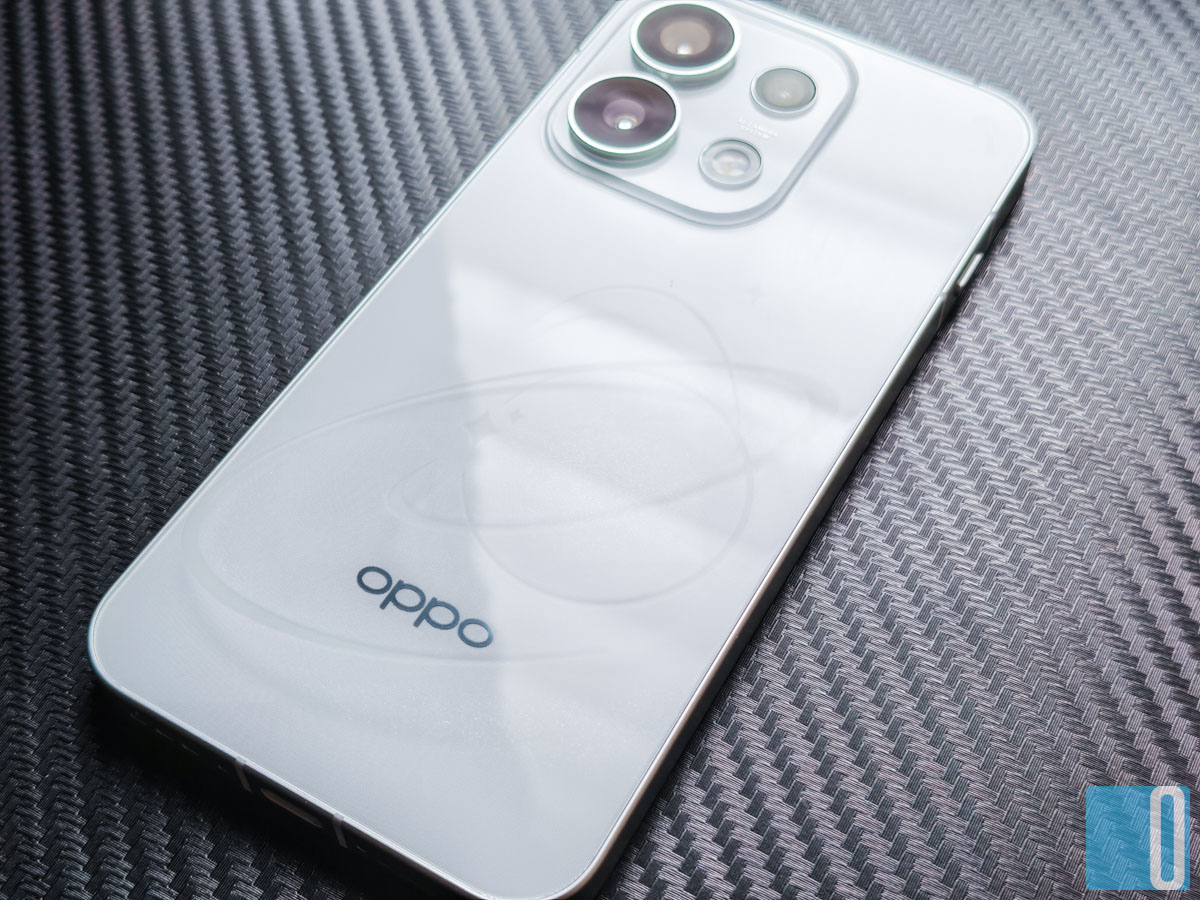
Let’s talk about the elephant in the room first, which is the size. The OPPO Reno16 Pro comes with a 6.32-inch display, and in a world where 6.7-inch and 6.8-inch phones are the norm, this feels almost refreshingly small in the hand. At 151.2mm tall, 72.4mm wide, and roughly 8.2mm thin, weighing around 188 grams, this is genuinely one of the more compact flagship-tier phones you can buy in Malaysia right now. I have used my fair share of big phones over the years for review purposes, and I always end up missing the days when a phone did not need two hands or a thumb stretch to reach the top corner of the screen.
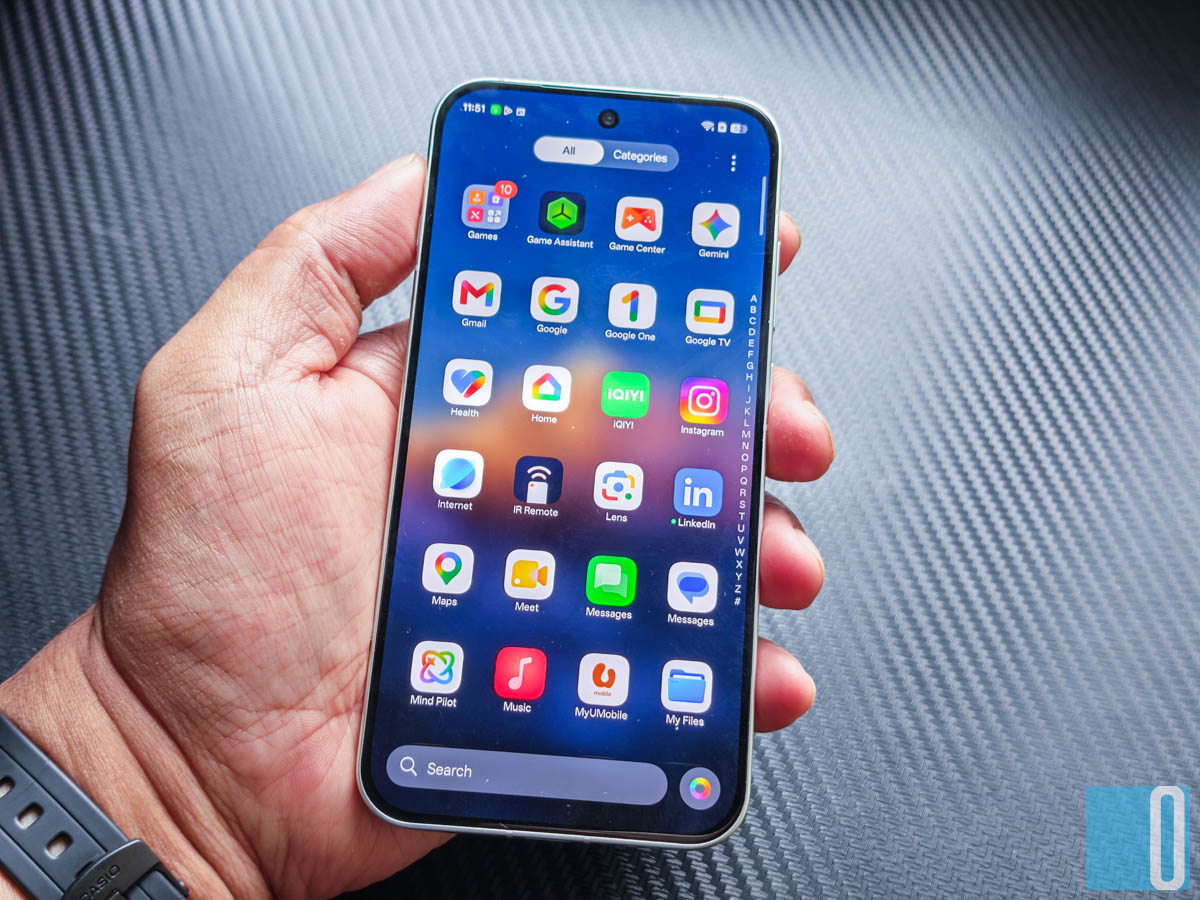
The OPPO Reno16 Pro brought that back for me, and honestly, I wish more brands would take the hint. Not everyone wants a phone the size of a small tablet, and I really hope other manufacturers start offering compact flagship options again instead of assuming bigger always means better.
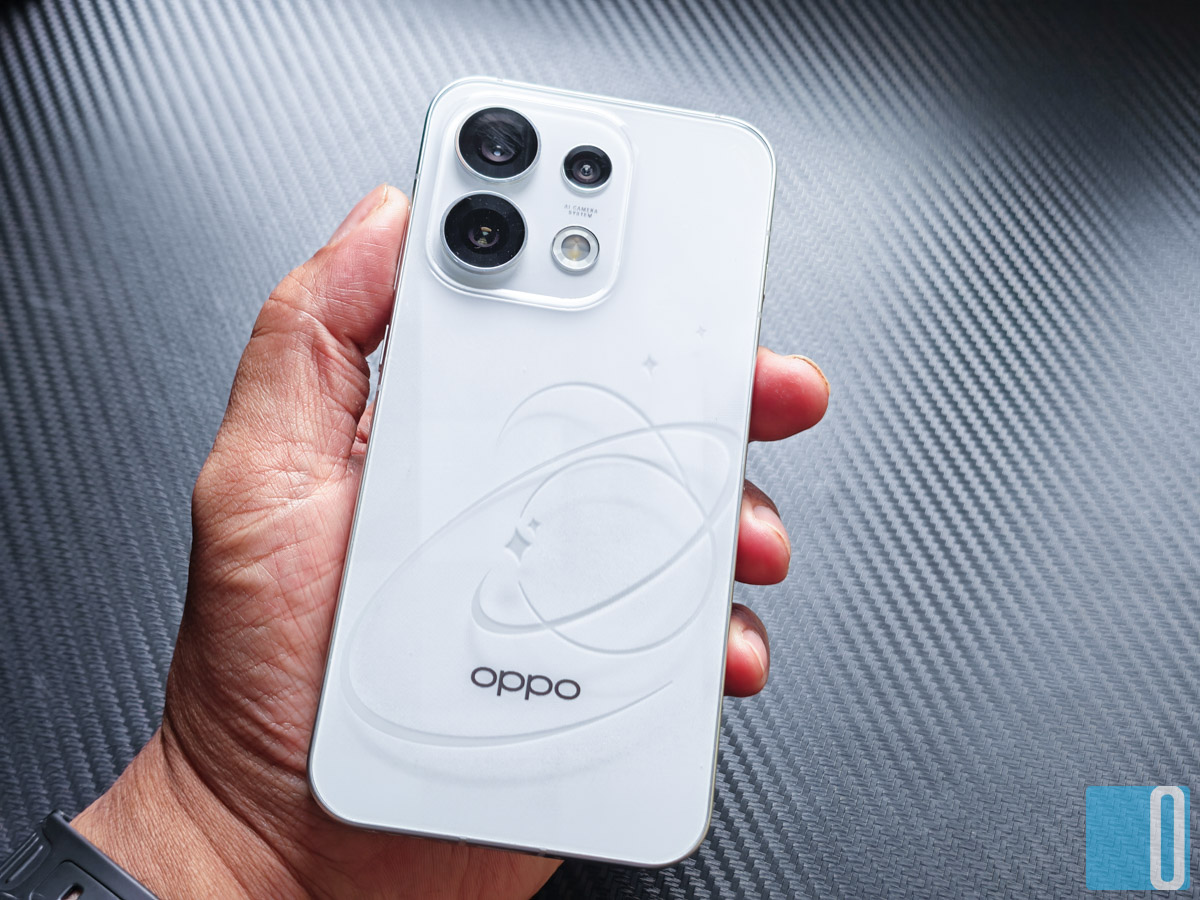
The back of my Pop White unit uses OPPO’s new 3D Pop Planet design, which features a nebula-inspired pattern that appears to float just beneath the glass surface. It gives the phone a subtle holographic effect depending on how light hits it, and it looks genuinely different from the usual matte or glossy backs we are used to seeing. It is a small detail, but it does help the OPPO Reno16 Pro stand out on a table full of other white or black phones, which, let us be honest, most flagships tend to look like these days.
Build quality feels solid too. OPPO uses an aluminium frame with glass front and back, and the phone carries IP68 and IP69 (some markets even note IP69K) certification, meaning it can handle dust, regular water exposure, and even high-pressure water jets. For a phone this compact, that level of durability is reassuring, especially if you are the type who brings your phone along to the kopitiam during a sudden Malaysian downpour or accidentally splashes it while washing dishes.
Now for the part where I have to be honest about a trade-off. The OPPO Reno16 Pro only comes with a USB 2.0 port. For a phone at this price point, that is a real miss. There is no fast file transfer speed and no video output support through the USB-C port, which is something I would expect at this tier. It is not a dealbreaker for most people who just use their phone normally, but if you are someone who transfers a lot of photos and videos off your phone via cable, or wants to hook it up to a monitor, this will disappoint you.
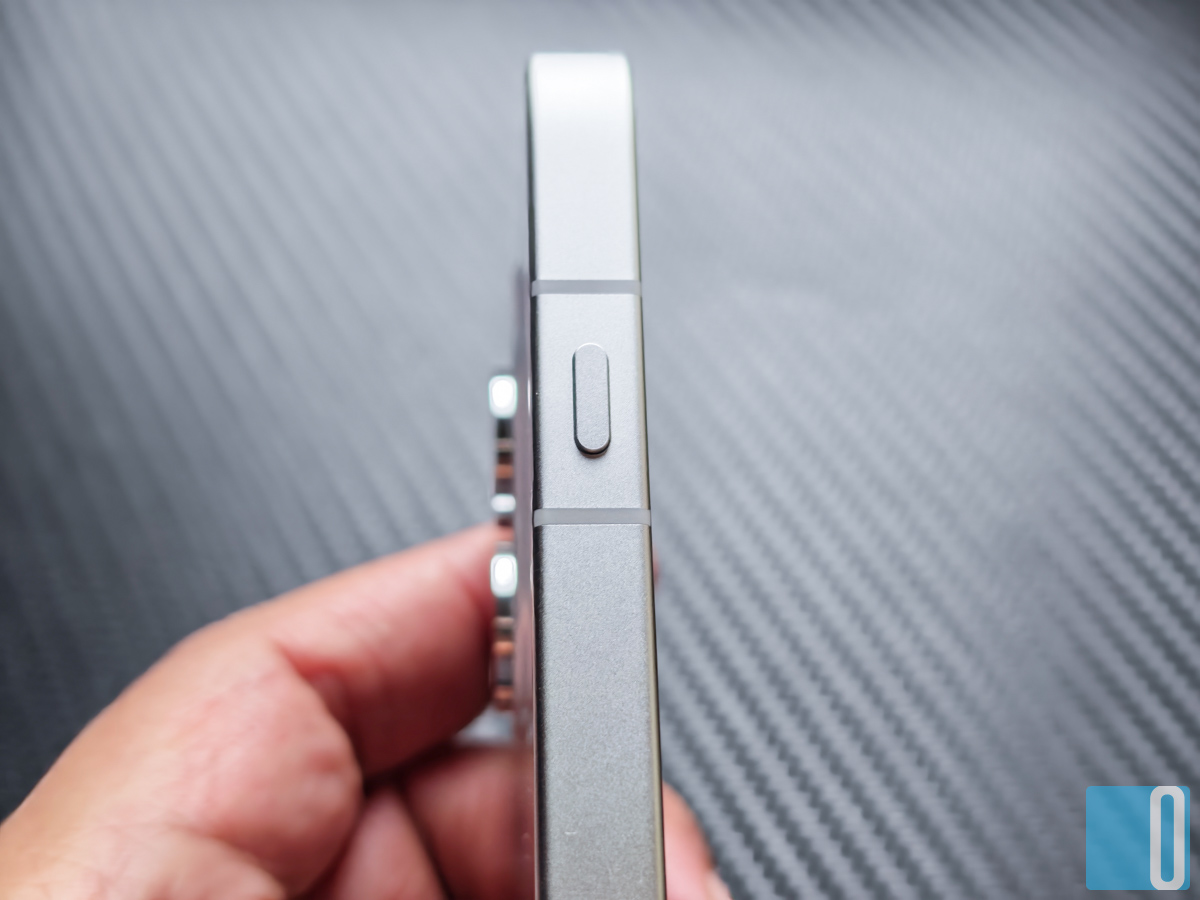
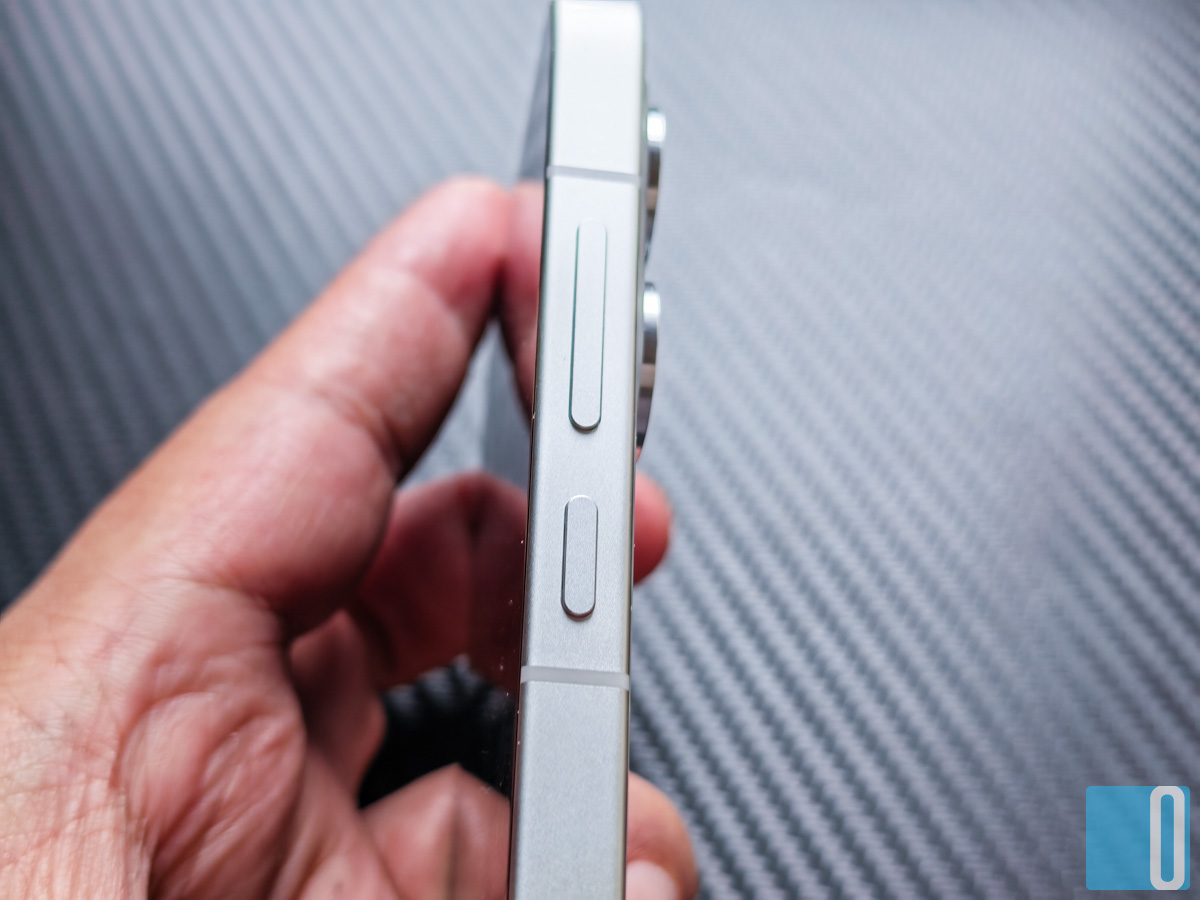
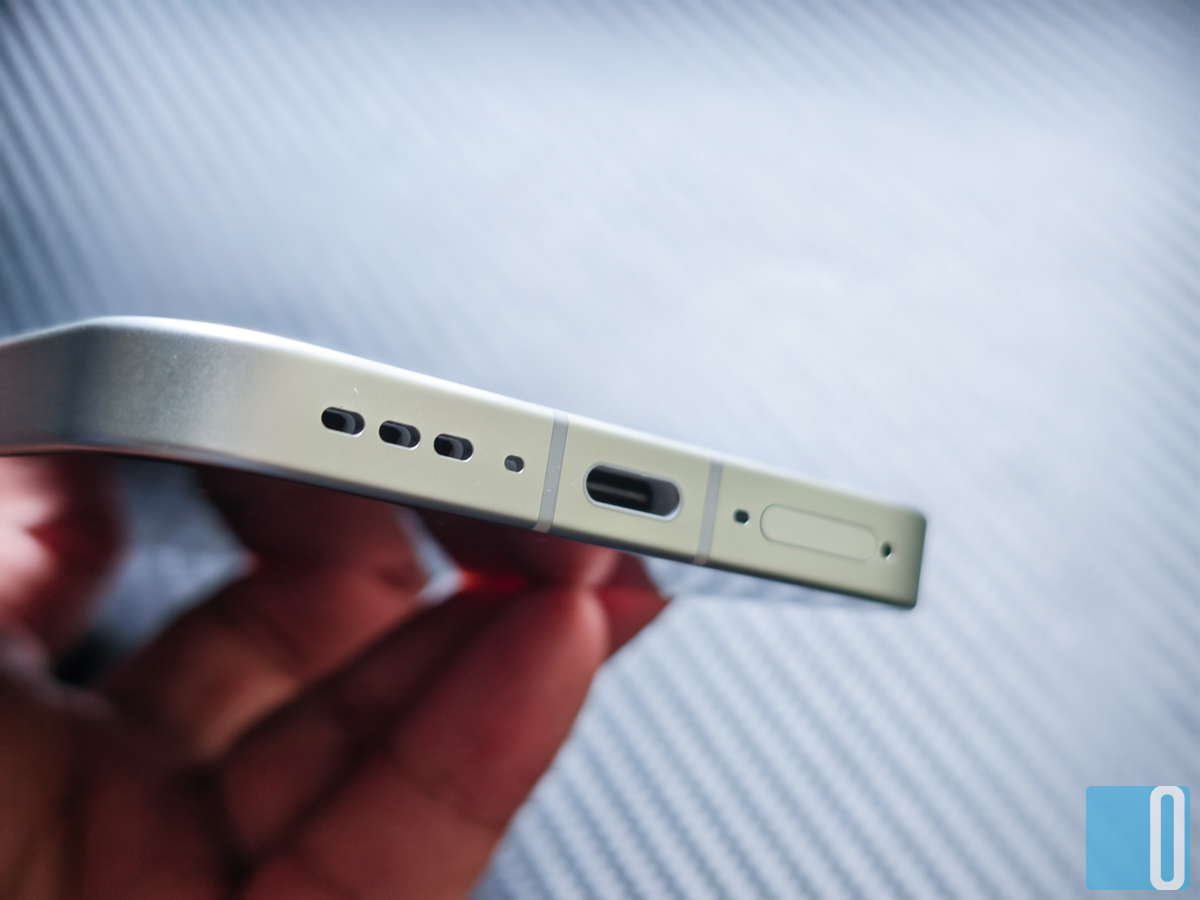
On the plus side, OPPO introduced something new here called the Snap Key, a dedicated physical button that debuts in the Reno series for the first time. You can customise it to trigger different actions, but I ended up leaving mine on its default function tied to Mind Space, which I will talk more about later because it turned out to be one of my favourite software features on this phone.
Performance
Under the hood, the OPPO Reno16 Pro runs on the MediaTek Dimensity 8550 chipset, paired with 12GB of LPDDR5X RAM and 256GB of UFS 3.1 storage in the Malaysian unit. In daily use, this thing feels excellent. Scrolling through social media, switching between apps, multitasking with a few apps open in the background, everything felt smooth and snappy throughout my testing period. ColorOS 16, built on top of Android 16, also runs cleanly without any noticeable stutter, which matters a lot for a phone that people will be using for years.
On the benchmark side, my test unit scored 2,181,869 points on AnTuTu, which is a solid number for this segment and reflects that everyday performance headroom I mentioned. On 3DMark’s Wild Life Extreme test, the phone hit 4,255 points with an average frame rate of 25.48 FPS. These numbers put the OPPO Reno16 Pro comfortably in the upper-midrange bracket rather than true flagship territory, and that lines up with what the Dimensity 8550 is designed for. It is a chip built for efficiency and reliable day-to-day performance rather than chasing the absolute top benchmark scores against Snapdragon or the newest Dimensity flagship silicon.
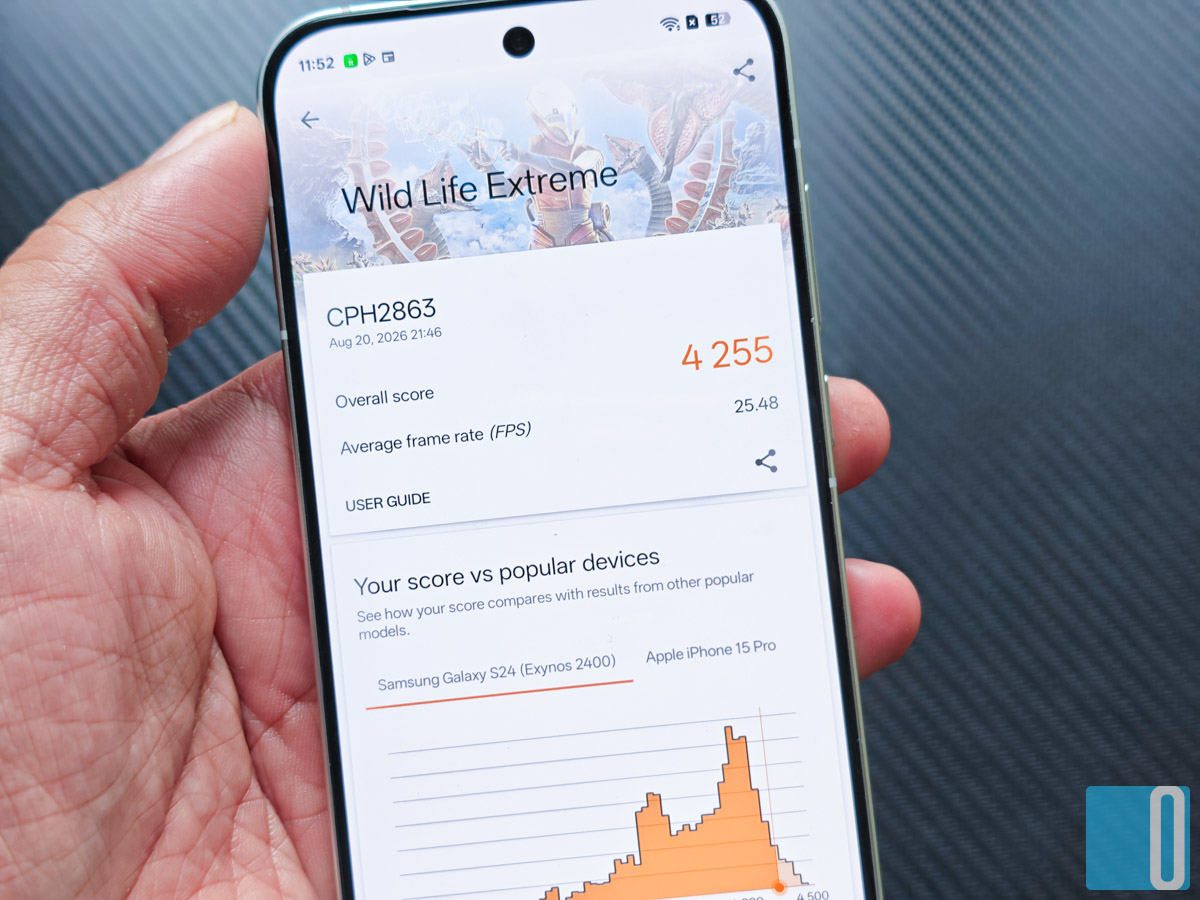
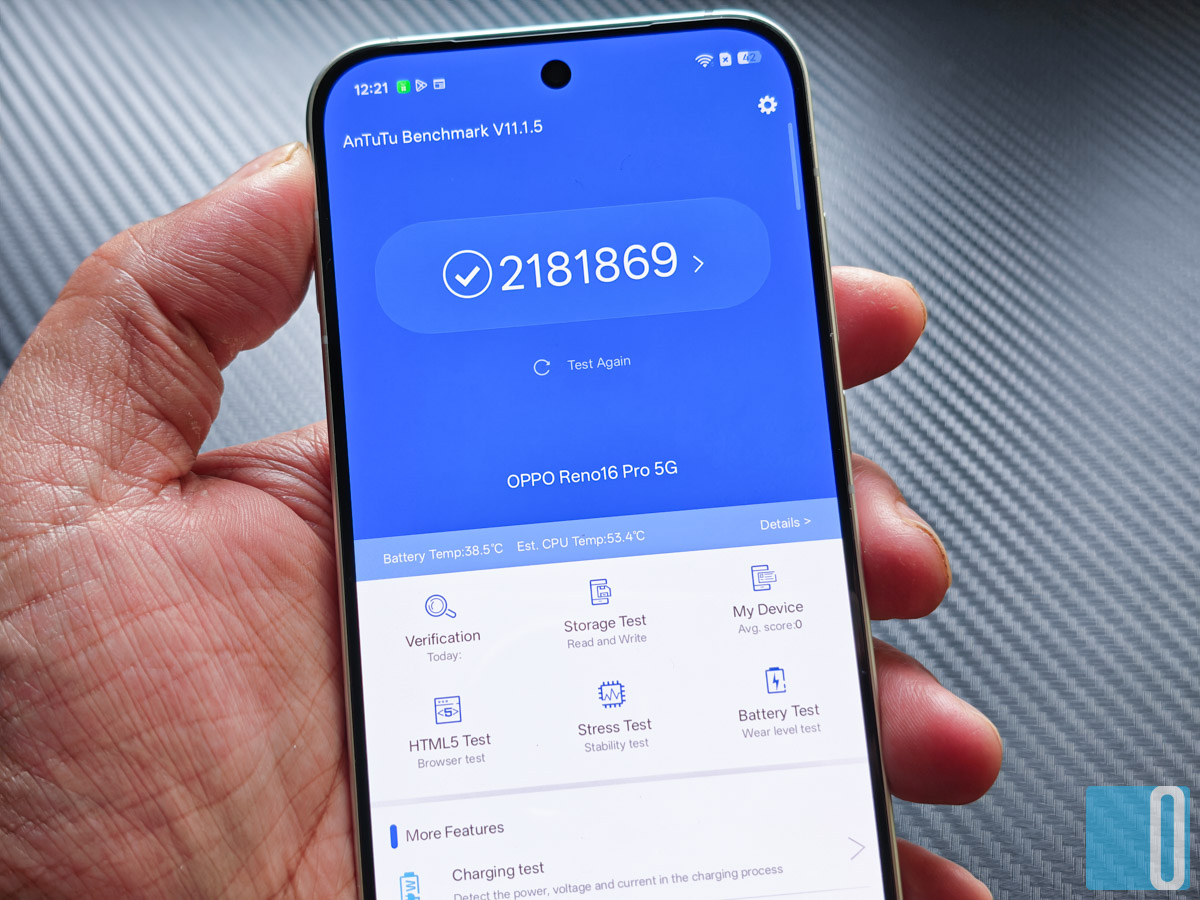
What this means practically is that the OPPO Reno16 Pro handles everything you throw at it in daily use without breaking a sweat, whether that is WhatsApp, Instagram, TikTok, banking apps, or juggling a dozen browser tabs. Gaming is where you start to see its ceiling. Titles like Genshin Impact run well at medium settings with frame rates hovering around 60fps during exploration, though it does dip into the 40s during intense combat scenes.
More demanding titles like Wuthering Waves will need you to dial settings down to keep things smooth, since the CPU tends to be the bottleneck rather than the GPU. If you are a casual to moderate gamer, you will be perfectly happy here. If you are chasing max settings on the most demanding titles at high and consistent frame rates, this is not the chip built for that.
One thing worth flagging for those who care about sustained performance is thermal throttling. Under extended heavy load, the chipset does lose a fair chunk of its peak performance to manage heat, which is fairly typical of how OPPO tunes its phones across the lineup, flagship or otherwise. It is not something that will affect your everyday experience, but if you are someone who games for hours at a stretch, it is worth knowing going in.
Battery life comes from a large 6,700mAh cell for the Malaysian version, which is a genuinely big battery for a phone this compact, and it charges via 80W SUPERVOOC wired fast charging that gets you from low battery to full in under an hour. There is no wireless charging support though, which again feels like a slightly odd omission at this price, especially when some competitors in the same bracket are starting to offer it.
For connectivity, you get Wi-Fi 6E and Bluetooth 5.4, which is solid but not cutting edge, since Wi-Fi 7 has already started appearing in some rival devices. Most people will not notice the difference in daily use unless you are running a high-end home network setup, but it is worth mentioning for the spec-conscious among you.
Camera
Now here is where the OPPO Reno16 Pro truly shines, and honestly, this is the part of the phone I enjoyed testing the most. You get a triple camera setup consisting of a 200MP main sensor with OIS, a 50MP telephoto lens offering 3.5x optical zoom also with OIS, and a 50MP ultrawide camera. Up front, there is a 50MP selfie camera with a generous 100-degree field of view, which is great news if you often take group photos with friends and need to fit everyone into frame.
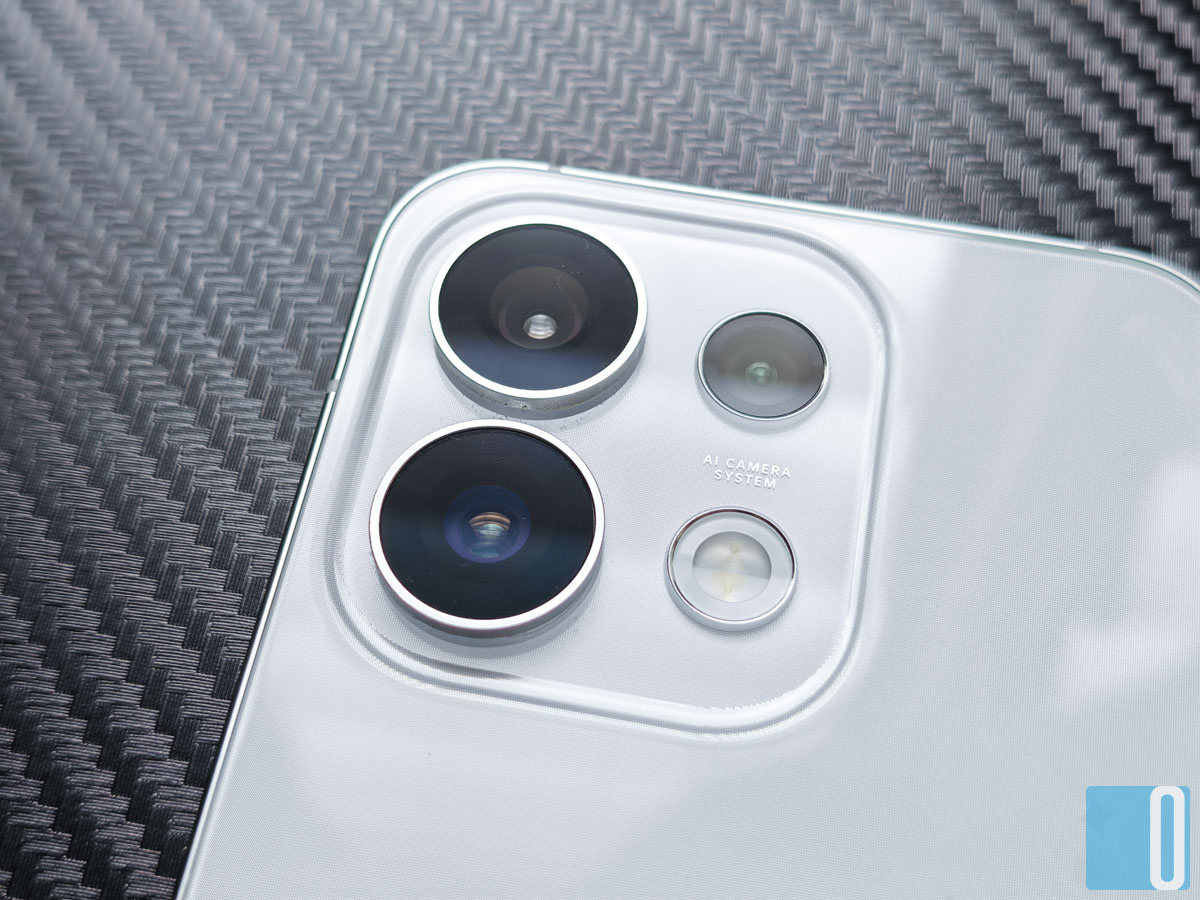
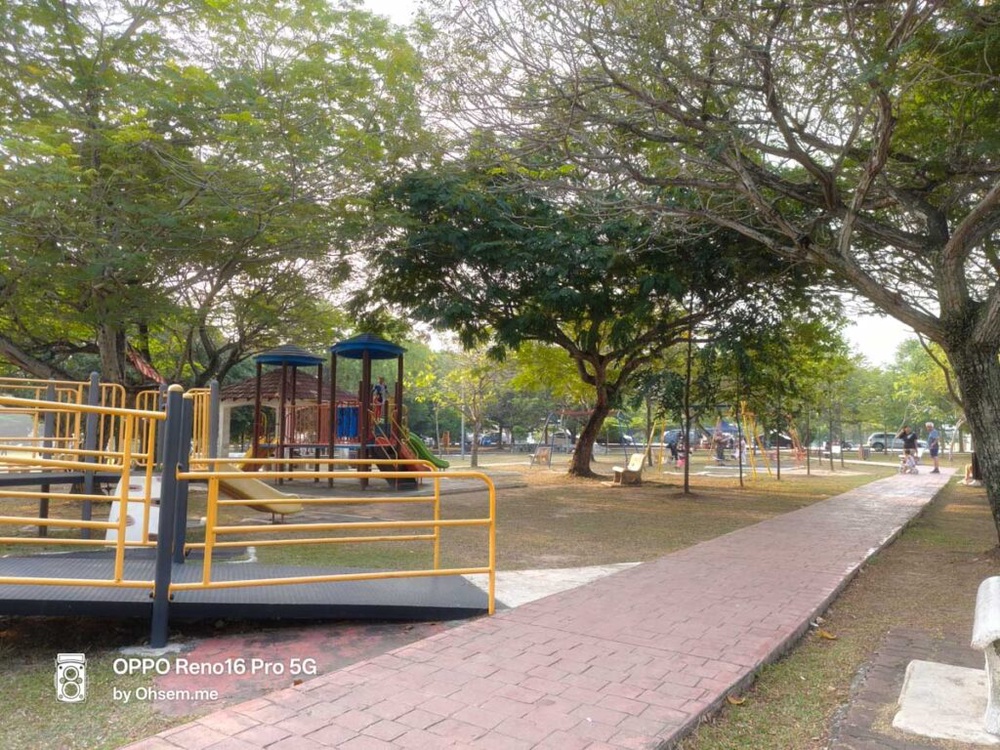
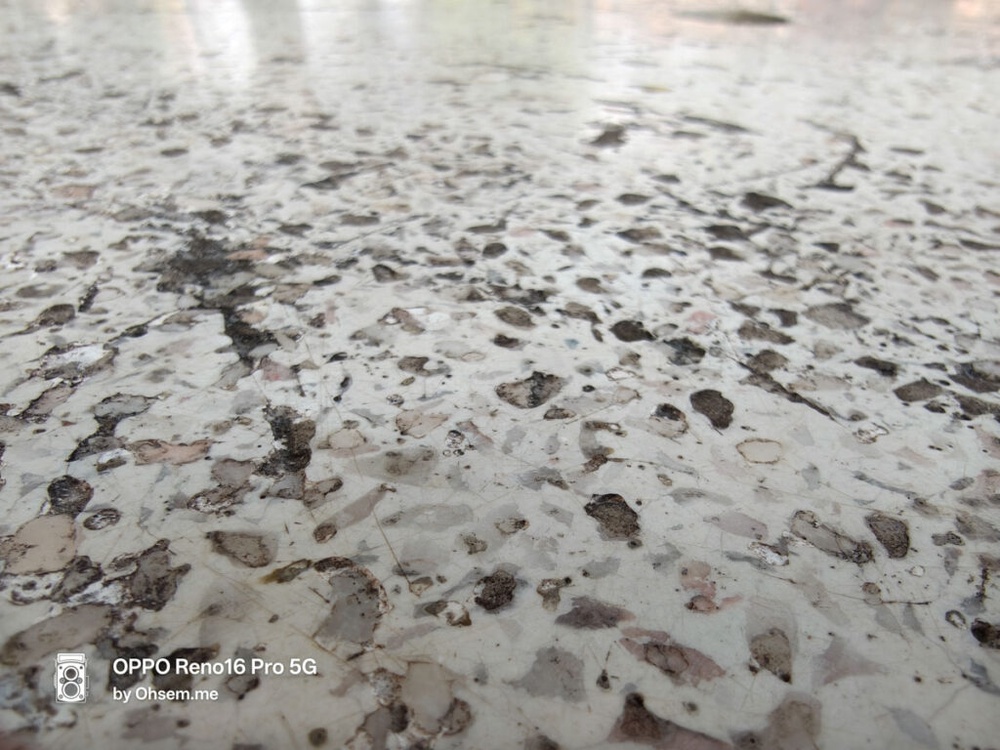
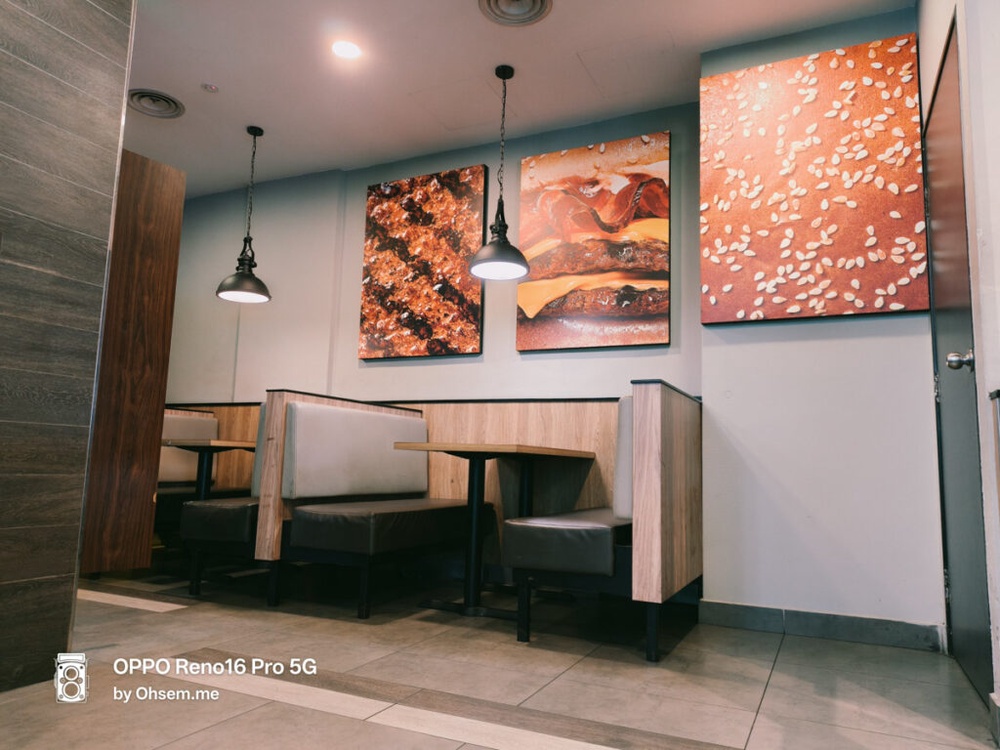
Photo quality out of this thing is genuinely excellent. Colours come out well balanced and natural without that oversaturated look some phones lean into just to make photos look more “pop” on social media at first glance. Exposure handling is also consistently good, whether I was shooting under harsh midday sun or in dimmer indoor lighting. The 200MP main sensor captures a ton of detail, and even when cropping in on photos afterward, the results hold up impressively well.
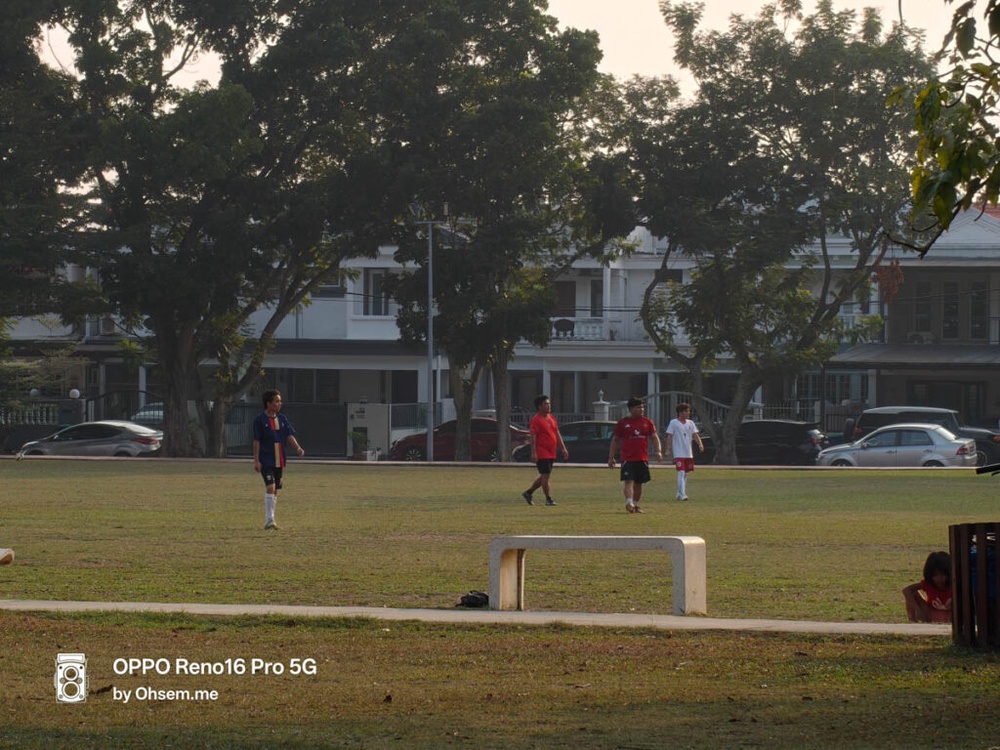
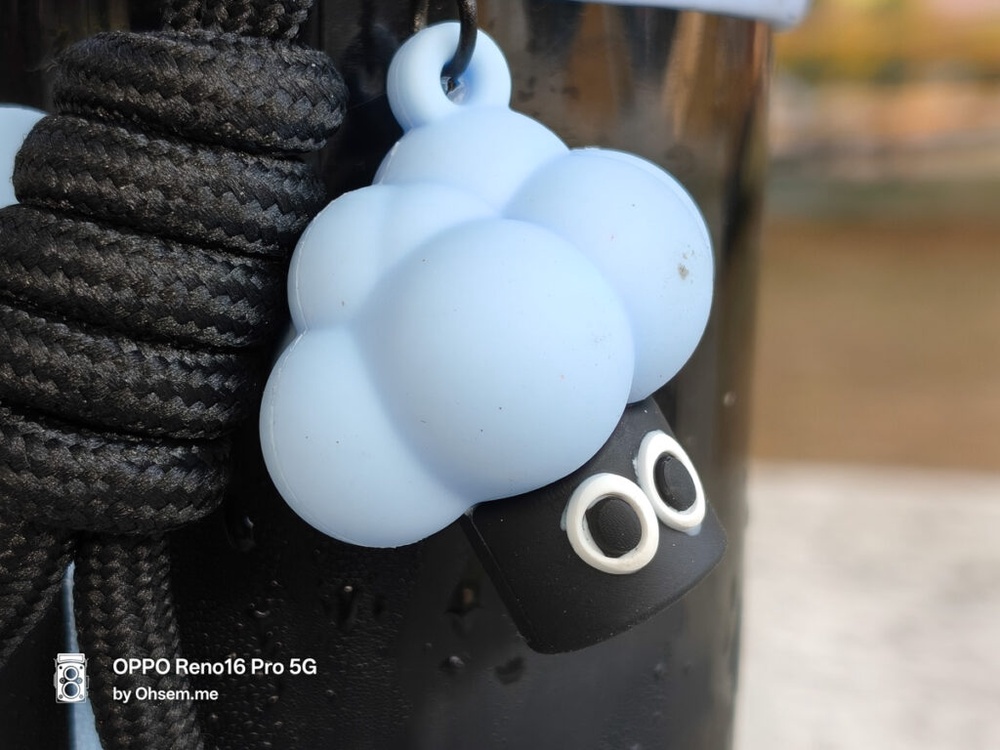
The telephoto camera deserves a special mention too. With 3.5x optical zoom and OIS on board, it lets you get genuinely usable close-up shots without physically moving closer to your subject, and thanks to some clever sensor cropping, you can push it further to around 7x zoom in good lighting and still get respectable results. This is a rare treat in the compact phone category, where telephoto cameras are usually the first thing to get cut for the sake of keeping the size down.
Now, here comes my one and only real wish for this camera system, and it is something I have brought up before with other flagship-grade cameras. The OPPO Reno16 Pro does not support LOG video capture. If you are not familiar, LOG format essentially captures footage with a flattened, low-contrast colour profile, giving you much more flexibility to apply colour grading using LUTs (Look Up Tables) during post-production. For someone like me who enjoys editing my own footage and applying custom colour grades to give videos a more cinematic look, the absence of LOG here is genuinely disappointing.
Everything else about this camera system screams “flagship”, the sensor quality, the optical stabilisation, the colour accuracy straight out of camera, so it stings a little that OPPO left LOG video out of the package. I really hope this gets added in a future software update, because the hardware here is more than capable of handling it.
Beyond the core camera hardware, OPPO also throws in some fun extras. There is a retro filter mode reminiscent of those early 2000s digital camera photos, complete with the imperfections and colour quirks of that era, which has become a bit of a trend lately and is a nice touch for anyone who enjoys that nostalgic aesthetic for their social media posts.
Photo Samples












Software and AI Features
ColorOS 16 on the OPPO Reno16 Pro comes loaded with a good mix of practical features, and rather than going through the whole list, I want to focus on the one AI feature I have genuinely found myself using every single day, which is Mind Space.
Mind Space is OPPO’s built-in AI note-taking and memory assistant, and it has quietly become one of my favourite tools on this phone. Whenever I need to jot something down quickly, whether it is a quick thought, a meeting point, or something I want to remember later, I can capture it instantly and Mind Space will generate a quick AI summary for me on the spot. It also pulls in your screenshots and voice memos, letting you search through everything later without having to manually sort through a messy gallery or notes app.
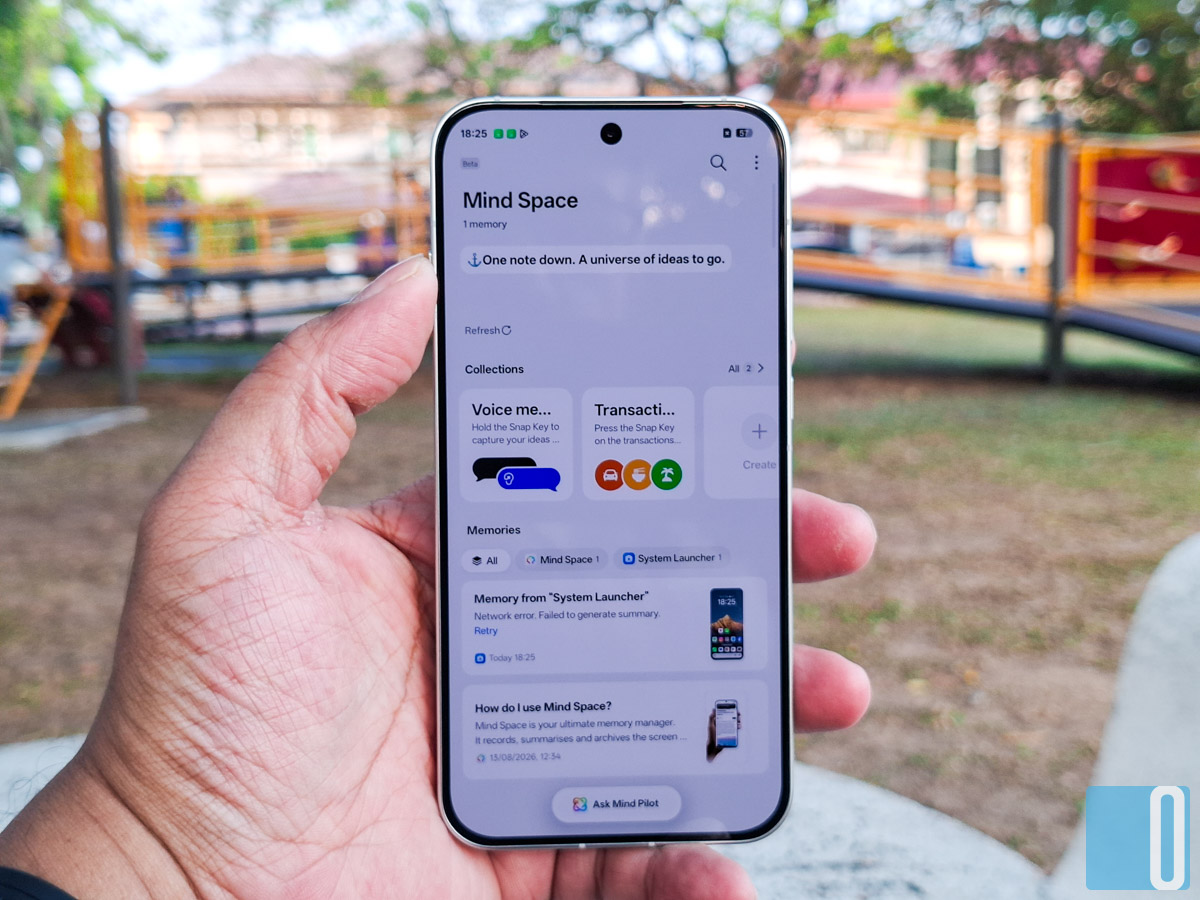
As someone juggling multiple projects between running ohsem.me, Creative Mojo, and a few client’s campaigns, having a tool that can quickly capture and summarise information without me needing to open a separate app and format things properly has genuinely saved me time. It is the kind of AI feature that actually solves a real problem rather than just being a gimmick bolted on for marketing purposes.
The dedicated Snap Key on the side ties directly into this, letting you trigger Mind Space with a single press, which makes the whole workflow feel seamless rather than something you need to dig through menus for.
On the software longevity side, OPPO is also promising five years of major OS updates and six years of security patches for the OPPO Reno16 Pro, which is a genuinely strong commitment and gives buyers confidence that this phone will stay relevant and secure for a long time to come.
Pricing and Availability in Malaysia
The OPPO Reno16 Pro is officially available in Malaysia in a single configuration of 12GB RAM plus 256GB storage, priced at RM3,699, available in Pop White and Starlight Black colourways. OPPO has also run limited-time roadshow promotions bringing the price down to around RM3,299, so it is worth keeping an eye out for those deals if you are planning to pick one up.
At RM3,699, this phone sits in a competitive but crowded price bracket, going up against other upper-midrange and flagship-adjacent options in the Malaysian market. Given the current global memory and storage price hikes affecting the entire smartphone industry, this pricing is not entirely surprising, though it does mean you are paying a premium for the compact form factor and camera system rather than getting flagship-tier chipset performance to match.
Conclusion
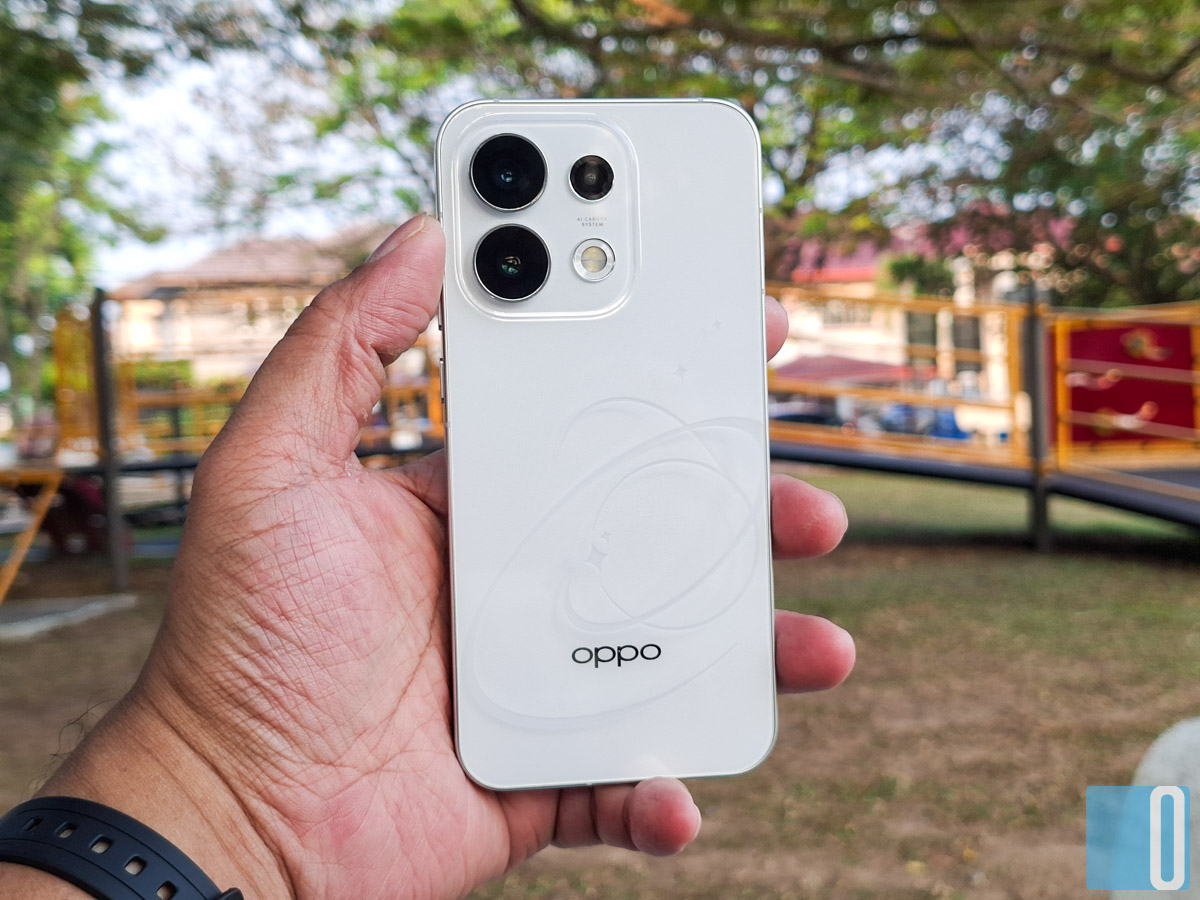
The OPPO Reno16 Pro is a phone that knows exactly what it wants to be, and for the most part, it delivers on that promise really well. If you have been craving a genuinely compact flagship-grade phone with a camera system that punches well above its size class, this is one of the best options you can get in Malaysia right now. The photography experience alone, with that well-balanced colour science and reliable exposure handling, makes it a strong pick for anyone who takes photos seriously without wanting to lug around a massive phone all day.
Performance is solid for daily use and light to moderate gaming, even if it does not chase flagship-tier benchmark numbers. Battery life is excellent thanks to that large 6,700mAh cell, and charging speed is properly fast. Mind Space genuinely impressed me as an AI feature I would actually use daily rather than ignore, and the five-year OS update promise adds real long-term value.
My gripes are real but manageable. The missing LOG video capture is a genuine loss for anyone who wants to get serious about colour grading their footage, and the USB 2.0 port along with the lack of wireless charging feel like odd cost-cutting decisions on a phone priced this high.
Still, if the compact form factor and camera quality are your top priorities, and you can live without LOG video and wireless charging, the OPPO Reno16 Pro earns a solid recommendation from me. It is proof that not every flagship needs to be a giant slab of glass and metal, and I sincerely hope this pushes other brands to bring back proper small phone options too.
- Price: RM3,699 (12GB + 256GB)
- More info: https://www.oppo.com/my/smartphones/series-reno/reno16-pro/
Pros
- Genuinely compact size, a rarity among modern flagships
- Excellent camera system with balanced colours and reliable exposure
- Useful 3.5x optical telephoto zoom with OIS
- Large 6,700mAh battery with fast 80W SUPERVOOC charging
- Mind Space AI feature is genuinely practical for daily use
- Five years of OS updates and six years of security patches
- IP68/IP69 water and dust resistance
Cons
- No LOG video capture, a missed opportunity for content creators
- USB 2.0 only, no fast data transfer or video output
- No wireless charging
- Chipset performance trails true flagship-tier competitors
- Noticeable thermal throttling under sustained heavy load