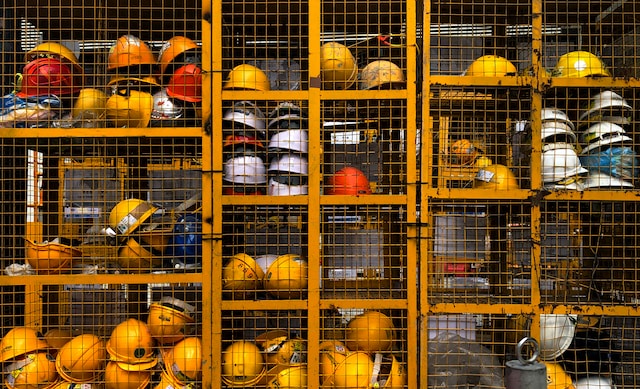
Introduction: Occupational Safety and Health (OSH) is a crucial aspect of ensuring the well-being of workers in any workplace. It encompasses a set of practices, policies, and regulations designed to protect employees from workplace hazards and promote a safe working environment. In Malaysia, the cornerstone of occupational safety and health regulations is the Occupational Safety and Health Act 1994 (OSHA 1994). This act serves as the legal framework that outlines the rights and responsibilities of employers and employees in ensuring a safe and healthy workplace.
Understanding Occupational Safety and Health: Occupational Safety and Health is a multidisciplinary field that addresses various aspects of workplace safety, ranging from physical hazards to psychological well-being. It involves identifying and mitigating risks, providing proper training and equipment, and fostering a culture of safety within the workplace. The ultimate goal is to prevent accidents, injuries, and illnesses that can arise from work-related activities.
In the context of Malaysia, the Occupational Safety and Health Act 1994 plays a pivotal role in regulating and enforcing OSH standards across different industries. The act covers a wide range of aspects, including the duties of employers and employees, the establishment of safety committees, and the reporting of workplace accidents.
The Need for Compliance with the Occupational Safety and Health Act 1994:
Protecting Workers' Rights: One of the primary reasons for complying with the OSHA 1994 is to protect the rights of workers. The act stipulates that employers must provide a safe and healthy working environment for their employees. This includes ensuring that machinery and equipment are safe to use, implementing proper safety measures, and conducting regular risk assessments.
Preventing Workplace Accidents: Compliance with the OSHA 1994 is essential for preventing workplace accidents. By identifying and addressing potential hazards, employers can significantly reduce the risk of accidents and injuries. This not only protects the well-being of workers but also contributes to the overall productivity of the workforce.
Reducing Occupational Diseases: The OSHA 1994 emphasizes the prevention of occupational diseases, which are illnesses that result from exposure to workplace hazards. This includes exposure to harmful chemicals, noise, and other environmental factors. Compliance with the act involves implementing measures to minimize such exposures and protect workers from long-term health risks.
Enhancing Workplace Productivity: A safe and healthy workplace is conducive to increased productivity. When employees feel secure and protected, they are more likely to be engaged in their work. Compliance with OSH standards contributes to a positive work environment, fostering employee morale and motivation.
Legal Obligations and Consequences: Non-compliance with the OSHA 1994 can have serious legal consequences for employers. The act outlines penalties for violations, including fines and imprisonment. By adhering to the regulations, employers not only fulfill their legal obligations but also avoid the potential financial and reputational repercussions of non-compliance.
Promoting a Safety Culture: Compliance with OSH regulations helps in fostering a safety culture within the workplace. This involves creating awareness among employees about the importance of safety, providing training on safe work practices, and encouraging open communication about potential hazards. A safety-conscious workforce is better equipped to identify and address safety concerns proactively.
Improving Employee Satisfaction: A workplace that prioritizes safety and health is likely to have more satisfied employees. When workers feel that their well-being is a priority, it contributes to job satisfaction and employee retention. This, in turn, benefits employers by reducing turnover and the associated costs of recruiting and training new staff.
Key Provisions of the Occupational Safety and Health Act 1994: The OSHA 1994 is a comprehensive piece of legislation that sets out the rights and responsibilities of employers, employees, and other relevant parties in ensuring occupational safety and health. Some key provisions include:
General Duties of Employers and Self-Employed Persons: Employers are required to ensure the safety, health, and welfare of their employees. This includes providing a safe workplace, safe systems of work, and information, instruction, training, and supervision necessary to ensure the health and safety of employees.
General Duties of Manufacturers and Suppliers: Manufacturers and suppliers of machinery, equipment, substances, and articles for use at work are obligated to ensure that these items are safe and without risks to health when properly used.
Duties of Employees: Employees are also responsible for taking reasonable care of their own safety and health, as well as that of others who may be affected by their actions. They must comply with the safety and health measures implemented by the employer.
Establishment of Safety Committees: The act mandates the establishment of safety committees in workplaces with a certain number of employees. These committees play a crucial role in promoting and maintaining a safe working environment.
Notification and Reporting of Accidents, Dangerous Occurrences, and Occupational Poisoning: Employers are required to report accidents, dangerous occurrences, and cases of occupational poisoning to the relevant authorities. This ensures that appropriate investigations can take place, leading to the identification and mitigation of potential hazards.
Penalties for Non-Compliance: The OSHA 1994 prescribes penalties for non-compliance, ranging from fines to imprisonment, depending on the severity of the offense. These penalties serve as a deterrent and underscore the importance of adhering to safety and health regulations.

Occupational Safety and Health is a critical aspect of ensuring the well-being of workers and creating a conducive work environment. The Occupational Safety and Health Act 1994 in Malaysia provides the necessary legal framework to regulate and enforce OSH standards across various industries. Compliance with this act is not only a legal obligation but also a moral and ethical responsibility of employers.
By prioritizing occupational safety and health, employers contribute to the overall productivity and satisfaction of their workforce. Preventing workplace accidents and minimizing occupational diseases not only protect the immediate well-being of employees but also have long-term positive effects on the organization. The OSHA 1994 serves as a guide for employers to implement and maintain effective OSH practices, ultimately creating a safer and healthier working environment for everyone involved.
AmsafeOSHConsultancy is a content creator under the Newswav Creator programme, where you get to express yourself, be a citizen journalist, and at the same time monetize your content & reach millions of users on Newswav. Log in to creator.newswav.com and become a Newswav Creator now!
The User Content (as defined on Newswav Terms of Use) above including the views expressed and media (pictures, videos, citations etc) were submitted & posted by the author. Newswav is solely an aggregation platform that hosts the User Content. If you have any questions about the content, copyright or other issues of the work, please contact Newswav.