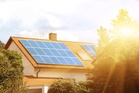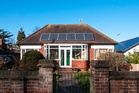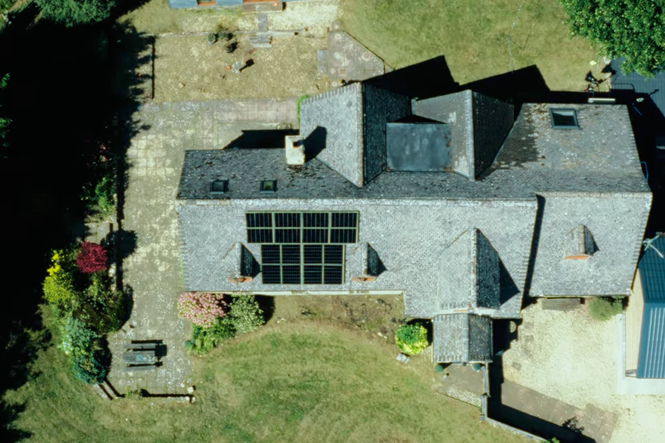
When Joanne Marshall first installed solar panels on her home 15 years ago, reducing her carbon footprint was more important than saving money. But since replacing her ageing system and adding battery storage last year, she's discovered just how much the technology has changed.
Joanne, who lives with her husband in a three-bedroom detached house near Cheltenham, Gloucestershire, says her monthly electricity bills have fallen from around £120 to an average of £40 since the new system was installed in July 2025. She has also received payments for the electricity her panels generate, helping her calculate a potential payback period of just three years on the roughly £6,000 installation. That is considerably faster than the five or six years she initially expected, although her returns will depend on future electricity generation, energy prices and tariff payments.
For Joanne, the experience demonstrates just how much solar technology has improved in recent years. She originally installed solar panels shortly after moving into the property around 15 years ago. Having worked for a business with solar panels on agricultural buildings, she was already familiar with the technology and its environmental benefits.
Joanne MarshallWe went for it because of our carbon footprint. We are in the middle of nowhere, so it's quite nice not to have to rely on wires and things all the time.
However, her original 2kW system, which cost approximately £15,000 at the time, was becoming less efficient. What’s more, two panels had blown off the roof during a storm.
When she started looking at replacements, she found prices had fallen substantially. In July 2025, she had a new 4kW solar panel system installed alongside a home battery for approximately £6,000, choosing OVO Energy as her installer.
Batteries “used to be really expensive, but they've come down so much in price”, she said. The battery means Joanne can store some of the electricity generated during daylight hours for use later, rather than immediately exporting all her surplus electricity to the grid
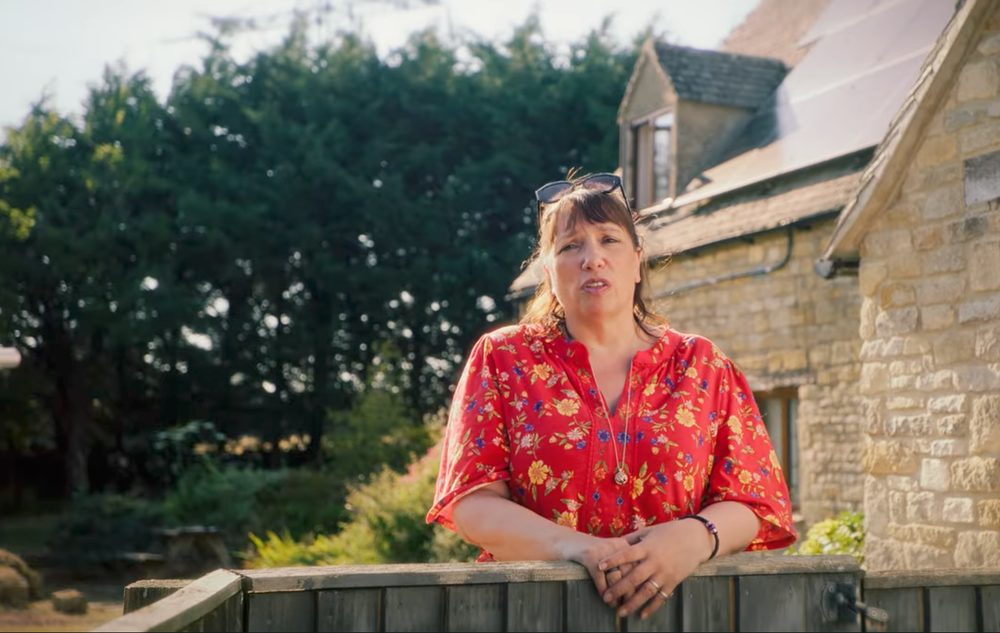
The most noticeable difference in her solar experience has been the reduction in Joanne's electricity bills. Before upgrading, she spent around £120 a month. Since installation, that figure has averaged £40, a saving of around £80 a month. If maintained throughout the year, that would represent roughly £960 in annual electricity bill savings. Joanne also receives payments under an electricity generation or export tariff, adding to the financial benefits.
As an accountant, she has been closely monitoring the figures and estimates that the new system could pay for itself in approximately three years. However, her circumstances aren't necessarily representative of every household. She works from home and deliberately adjusts her electricity use to maximise the benefits, running appliances such as her dishwasher, washing machine and slow cooker during daylight hours, when her panels are generating power.
Joanne acknowledges that households where everyone is out during the day might not achieve the same savings, although appliances can often be programmed to run at particular times. Battery storage can also help people use more of their solar electricity outside daylight hours.
I'm always checking the smart meter when I put things on to make sure it's not moving. I love it when the needle doesn't move at all.
Despite being pleased with the installation, Joanne does have one regret: she didn't arrange for her battery to provide backup electricity during power cuts. Living in an exposed rural location, she experiences relatively frequent interruptions to her electricity supply.
It's a distinction homeowners should understand before investing in battery storage. Most standard grid-connected solar and battery systems cannot automatically power a home during a blackout. Additional backup equipment and suitable electrical arrangements are generally required. Joanne now plans to have this capability added to her system.
What should homeowners check before installing solar panels?
Joanne's biggest piece of advice is to research installers and warranties carefully. Her first experience wasn't straightforward. The original installers took a long time to complete the work, and she had to repeatedly chase them to connect the system properly. The company subsequently went bankrupt.
When choosing a replacement installer, she spent considerable time researching companies, comparing customer reviews and checking the financial security of potential providers. She eventually obtained two quotes before choosing OVO. But she says homeowners should look beyond the installation price and examine the guarantees being offered.
“What happens if the person goes bankrupt?” she asks. “I think that's quite a big concern that people maybe don't think about.”
She recommends checking whether warranties are insurance-backed and understanding who is responsible if something goes wrong. Homeowners should also compare electricity export tariffs, battery capacity and how much of their generated electricity they're likely to use themselves. For Joanne, the investment has been worthwhile, both financially and environmentally. Her advice to anyone considering solar panels is straightforward: "I would say definitely do it. But do your research."
Her experience suggests that solar panels can deliver substantial savings, particularly when paired with battery storage and careful electricity use. But the most important lesson is to understand the costs, guarantees and likely returns before committing.
Interested in solar? Use our tool to get a free quote
Read more: Best solar panels, compared
Solar households could earn more than they spend on electricity – here’s how
What are the different types of solar panels?
The areas in the UK where solar pays off fastest
How to earn money from solar panels and cut your energy bills
How long does it take for solar panels to pay for themselves?
How much solar panels cost in the UK, according to an expert