Dear PAO,
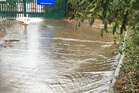
I live in a barangay near a creek that has become heavily polluted. Some residents and nearby businesses regularly throw garbage into the creek and discharge wastewater into it. Whenever it rains heavily, the accumulated garbage blocks the drainage system, causing floodwater to enter our homes. We have reported the problem to the barangay, but the situation has not improved. My family is worried about the foul smell, mosquitoes, and possible diseases caused by the polluted water. What legal rights and remedies are available to people like us who are affected by environmental pollution and flooding?
Napoleon
Dear Napoleon,
Article II, Section 16 of the 1987 Constitution recognizes the obligation of the State to protect and advance the people’s right to a balanced and healthful ecology as a fundamental right. In other words, every person has the right to live in an environment that is not harmful to their health and well-being.
In Oposa vs. Factoran, Jr., G.R. No. 101083, July 30, 1993, the Supreme Court, through Honorable Chief Justice Hilario Davide Jr., explained the right to a balanced and healthful ecology is a fundamental legal right. The Court also explained that this right carries with it the correlative duty to refrain from impairing the environment and the responsibility to protect the it not only for people living today but also for future generations. Hence, the people have a responsibility to preserve and care for the environment so that the future generations can also enjoy it. Human activities should not destroy or seriously damage the environment on which future generations will depend.
Corollary thereto, we have a plethora of laws protecting the environment, including Republic Act (R.A.) No. 9003 or the Ecological Solid Waste Management Act and R.A. No. 9275 or the Philippine Clean Water Act of 2004. These laws prohibit various acts, including littering, throwing, dumping of waste matters in public places, such as roads, sidewalks, canals, esteros or parks, and establishment, and discharging, depositing or causing to be deposited material of any kind directly or indirectly into the water bodies or along the margins of any surface water, among other prohibited acts. (Sec. 48 (1), R.A. No. 9003 and Sec. 27, R.A. No. 9275)
In your case, the continued improper dumping of garbage and discharge of wastewater into the creek violates the community’s right to a balanced and healthful ecology. These continued practices pollute the environment, contaminate water resources, and obstruct drainage systems causing flood waters which contain harmful bacteria and other contaminants that may cause diseases. The environmental concern affects the community and is not merely an inconvenience. As such, you and your neighbors have a legitimate interest in preventing further damage to the environment where you live.
Accordingly, you may invoke your constitutional right to a balanced and healthful ecology and seek judicial protection. As recognized in the above-mentioned Oposa vs. Factoran case, protecting the environment is also a responsibility owed to future generations. By reporting the pollution and using the proper legal remedies, you can help require those responsible and the proper government authorities to take action.
If the responsible government agency fails to act despite your complaints, you may consider seeking a writ of continuing mandamus from the court to compel the performance of its environmental duties. However, when the environmental damage or threat is of such magnitude that it prejudices the life, health, or property of inhabitants in two or more cities or provinces, a Writ of Kalikasan may be filed. (Rules of Procedure for Environmental Cases, A.M. No. 09-6-8-SC dated 13 April 2010)
We hope that we were able to answer your queries. This advice is solely based on the facts you have narrated and our appreciation of the same. Our opinion may vary when other facts are changed or elaborated.
Thank you for your continued trust and support.
Editor’s note: Dear PAO is a daily column of the Public Attorney’s Office. Questions for Chief Acosta may be sent to dearpao@manilatimes.net